Table of Contents
-
Why deck painting costs vary so much
-
Average deck painting cost
-
Understanding deck painting cost per hour
-
What is included in total deck painting expenses
-
Cost by deck size
-
Labor cost vs material cost
-
The biggest factors that increase price
-
Paint type and product cost
-
Prep work and repair costs
-
DIY vs professional deck painting
-
How homeowners in Kansas should budget
-
Conclusion
-
FAQs
Summary
Deck painting cost depends on size, condition, labor, and materials. Most projects range from $2 to $5 per square foot, with labor often $20 to $50 per hour. Prep work, repairs, and railings increase costs. Professional painting ensures durability, making it a better long-term investment for homeowners in Kansas.
Introduction
A fresh coat of paint can transform an outdoor deck. It improves curb appeal, protects the surface from weather, and refreshes worn wood. However, most homeowners first want to understand the real deck painting cost before starting the project.
The cost depends on labor, deck condition, prep work, size, and materials. At Rodriguez Painting Kansas, estimates are based on both square footage and deck painting cost per hour. Most projects range from $2 to $5 per square foot, with labor averaging $20 to $50 per hour.
Why Deck Painting Costs Vary So Much
No two decks are priced the same. A small ground level deck in good condition can be painted much faster than a large raised deck with stairs, railings, peeling paint, and damaged boards. That is why deck painting estimates can vary widely even when the square footage looks similar.
A simple deck may only need cleaning, light sanding, and two coats of paint. A neglected deck may need scraping, power washing, sanding, spot priming, caulking, and repairs before any finish can be applied. That extra labor is often what pushes the project cost upward.
This is also why homeowners should not compare quotes based only on the final number. A lower quote may exclude cleaning, repairs, premium paint, or multiple coats. A higher quote may actually offer better value because it includes full prep and better long term durability.
Average Deck Painting Cost
For most homeowners, the average deck painting cost falls within a moderate range, but the final number depends on size and condition. Recent home service cost guides place deck painting at about $2 to $5 per square foot, with many total projects landing between $500 and $2,000, and a standard 300 square foot deck around $1,000.
Here is a simple planning table:
|
Deck Size |
Estimated Cost Range |
Typical Project Average |
|---|---|---|
|
100 square feet |
$200 to $500 |
Around $350 |
|
200 square feet |
$400 to $1,000 |
Around $700 |
|
300 square feet |
$600 to $1,500 |
Around $1,000 |
|
400 square feet |
$800 to $2,000 |
Around $1,300 |
|
500 plus square feet |
$1,000 to $2,500 or more |
Varies by design |
These ranges are useful for budgeting, but they are still general estimates. A deck with multiple levels, wide rail systems, steps, or significant peeling may cost more than a flat open platform of the same size.
Understanding Deck Painting Cost Per Hour
Many homeowners search for deck painting cost per hour because labor is a major part of the estimate. General painter labor rates commonly fall in the $20 to $50 per hour range, though specialty exterior work, difficult prep, and regional labor conditions can push actual billed rates higher.
Hourly pricing matters because deck painting is labor heavy. The time is not spent only on applying paint. Much of it goes into:
• Moving furniture
• Protecting nearby surfaces
• Washing the deck
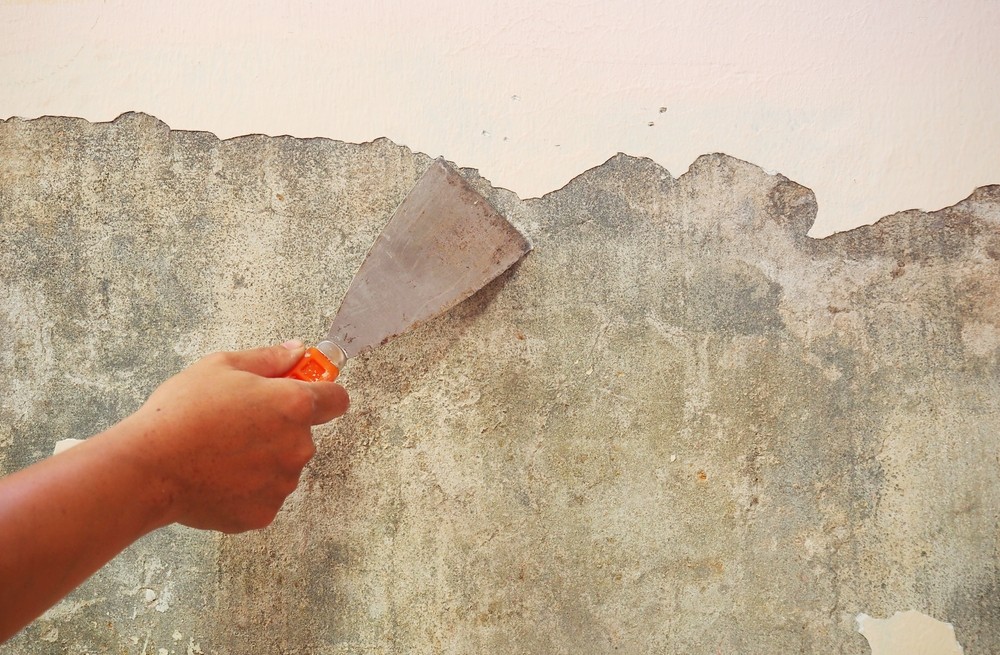
• Scraping loose coating
• Sanding rough areas
• Spot priming bare wood
• Filling cracks or gaps
• Applying one or two finish coats
• Drying time between coats
• Cleanup
A small and clean deck may take fewer labor hours. A weathered deck may take significantly more. For example, if a crew charges within a common painter labor range and the job requires many hours of prep and coating time, the labor portion can become the largest share of the project price.
So when reviewing quotes, remember this: deck painting cost per hour helps explain why one estimate looks affordable and another looks expensive. The difference is often the time needed to do the job correctly.
What Is Included in Total Deck Painting Expenses
Homeowners often think the price is mostly paint. In reality, the total bill usually includes several separate cost categories:
Inspection and measuring
A contractor measures the deck and reviews its condition. This helps determine surface area, access, prep level, and material needs.
Surface cleaning
Most decks need washing before painting. Dirt, mildew, and old residue can prevent proper adhesion.
Scraping and sanding
Peeling or flaking areas must be removed. Rough spots need smoothing so the finish looks even.
Minor repairs
Loose nails, popped fasteners, cracked boards, and small wood issues may need correction before coating.
Primer
Bare or exposed areas often need primer to improve adhesion and finish consistency.
Paint application
This may include one or two coats depending on product and deck condition.
Railings and stairs
These features add time because they create more detail work than a flat deck floor.
Cleanup
The final step includes site cleanup, disposal of materials, and inspection.
That is why the total deck painting cost is always more than just the price of a few gallons of paint.
Cost by Deck Size
Deck size is one of the clearest pricing factors because larger decks need more labor and materials. However, square footage alone does not tell the whole story. A bigger open deck may sometimes be easier to paint than a smaller deck with many railings and steps.
Here is a deeper look:
Small deck
A small deck usually has the lowest project cost. If it is in decent shape, the price may stay near the lower end of the standard square foot range.
Medium deck
A medium sized deck often gives the best reference point for pricing. The commonly cited 300 square foot example, which averages around $1,000, fits this category well.
Large deck
Larger decks use more paint and require more labor hours. If they include multiple sections, built in seating, or several stair runs, the cost can rise quickly.
Multi level deck
These are usually priced higher because access is harder, safety setup may be more involved, and every extra detail takes time.
Labor Cost vs Material Cost
In deck painting, labor usually has the strongest impact on price. Materials matter, but not as much as the time needed to prepare and coat the deck properly.
A contractor may only need a limited amount of paint for a small deck, but if the deck has peeling areas, rough wood, or many spindles and steps, labor can still be substantial.
For materials, paint coverage is an important detail. A gallon of paint typically covers about 350 to 400 square feet, while many exterior paints around 300 to 400 square feet per gallon, depending on the product and surface. Rough or porous deck boards can reduce real world coverage, especially when the wood is weathered.
This means a homeowner might not need many gallons, but the overall quote can still be high because the true cost is in proper preparation and careful application.
The Biggest Factors That Increase Price
Deck condition
A deck in poor condition is always more expensive to paint than one in good shape. Heavy peeling, moisture damage, and rough wood add many labor hours.
Existing coating
If the old paint is failing, contractors may need to scrape and sand a large portion of the surface before repainting.
Number of coats
Some decks need more than one finish coat. More coats mean more material and more labor.
Railings and stairs
These can significantly increase labor because each piece needs careful brushwork.
Accessibility
A hard to access deck or one with limited working space may take longer to complete.
Material type
Wood species, previous coatings, and porosity affect prep and coverage.
Weather timing
Exterior painting depends on suitable weather. Moisture, humidity, and temperature conditions can affect scheduling and application quality.
Paint Type and Product Cost
Not all deck paints are priced the same. Better products usually cost more, but they may offer stronger durability and better resistance to weather exposure.
Premium exterior coatings can raise the material portion of the estimate, but they may lower future maintenance needs. Choosing the cheapest product is not always the most cost effective option if it fails early and needs repainting sooner.
Paint selection also affects coverage and recoating time. Some exterior products cover approximately 300 to 400 square feet per gallon, while certain specialty coatings may vary depending on thickness and surface condition.
For homeowners trying to budget carefully, it is smart to ask:
• What brand and product line is included
• How many coats are included
• Whether primer is included
• Whether the deck boards are dry and ready for coating
• Whether the quote includes railings and stairs
Prep Work and Repair Costs
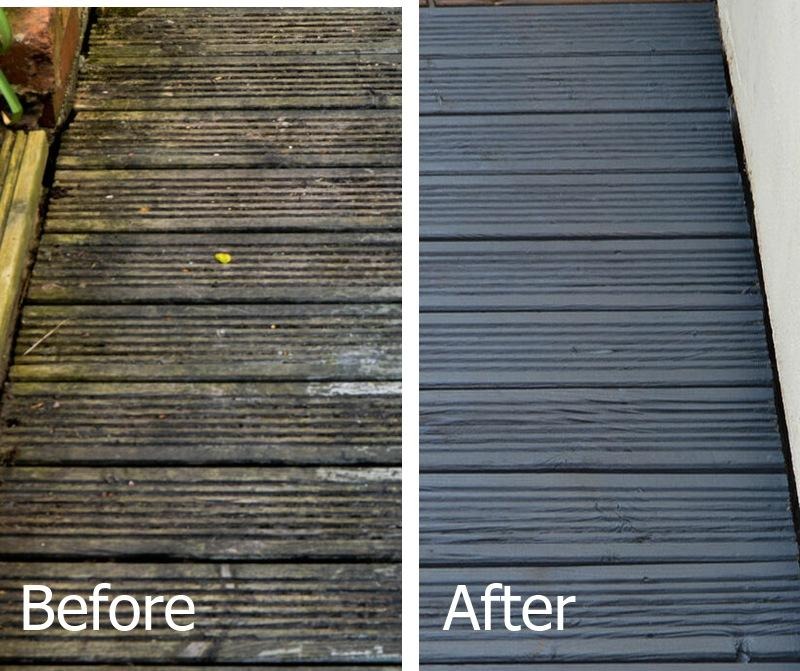
Prep work is often the hidden reason behind a large estimate. It is also the most important part of a long lasting result.
A professional deck painting job often includes:
• Washing the surface
• Removing dirt, algae, and residue
• Scraping failing paint
• Sanding edges and rough boards
• Priming bare areas
• Replacing or repairing damaged boards when needed
.jpeg)
If the deck needs repairs, the painting cost can increase beyond a simple cosmetic update. Recent deck repair guides note that labor alone for deck repair work can commonly run around $50 to $100 per hour, depending on the task and contractor.
That is why some homeowners receive a quote that feels much higher than expected. The contractor may not just be painting. They may be restoring the deck to a paintable condition first.
DIY vs Professional Deck Painting
Some homeowners consider doing the job themselves to save money. In certain cases, that can reduce the cash cost, but it also comes with tradeoffs.
DIY advantages
• Lower direct labor expense
• Full control over schedule
• Good option for a very small deck in good condition
DIY disadvantages
• Surface prep takes much longer than expected
• Product mistakes can reduce durability
• Uneven coating is common
• Weather timing is easier to misjudge
• Repairs may be missed
• Cleanup and material waste can add cost
Professional painters bring experience, equipment, and a more accurate process. That matters because deck painting is not just about appearance. The finish must bond well, resist weather, and hold up under foot traffic.
For many homeowners, paying a professional is not simply about convenience. It is about protecting the deck and avoiding premature repainting.
How Homeowners in Kansas Should Budget
If you are planning a project in Kansas, start with a practical budget rather than a single fixed number. A good planning method is:
Step 1: Estimate size
Measure the deck floor. Then add stairs, railings, and skirting if they will also be painted.
Step 2: Consider condition
Ask whether the deck is clean, peeling, cracked, weathered, or recently coated. The worse the condition, the higher the labor cost is likely to be.
Step 3: Decide on finish quality
Standard products cost less up front. Premium products may cost more but can offer better long term value.
Step 4: Ask how labor is priced
Some contractors price by total project. Others may explain the estimate partly through deck painting cost per hour. Make sure you understand what labor includes.
Step 5: Review scope carefully
Always confirm whether the quote includes:
• Cleaning
• Sanding
• Priming
• Repairs
• Railings
• Stairs
• Two coats
• Cleanup
A careful estimate helps avoid surprise charges later.
Conclusion
Understanding deck painting cost becomes much easier when you break it into the right parts. The total expense is shaped by square footage, labor hours, paint quality, deck condition, repairs, railings, and prep work. While average deck painting often falls around $2 to $5 per square foot, the actual cost can rise or fall depending on the complexity of the project. Painter labor commonly falls around $20 to $50 per hour, which is why prep heavy decks cost more than simple ones.
For homeowners who want a realistic budget, the smartest move is to look at the full scope rather than only the price of paint. A proper estimate should explain every part of the job clearly.
If you want a professional, detailed assessment of your next deck project, contact Rodriguez Painting Kansas. They can help you understand the real costs, the labor involved, and the best path to a durable finish.
FAQs
What is the average deck painting cost?
Recent cost guides place deck painting at roughly $2 to $5 per square foot, with many jobs ranging from $500 to $2,000 and a common average near $1,000 for a 300 square foot deck.
What is the typical deck painting cost per hour?
General painter labor commonly falls around $20 to $50 per hour, although actual project billing depends on local labor conditions, surface prep, and project difficulty.
Why is labor such a large part of deck painting cost?
Because deck painting involves much more than applying paint. Cleaning, sanding, scraping, priming, detail work on railings, and cleanup all take time.
How much paint does a deck usually need?
That depends on the deck size, product, and wood condition. Many exterior paints cover around 300 to 400 square feet per gallon, though rough or porous surfaces may reduce actual coverage.
Is painting a deck cheaper than replacing it?
In many cases, yes. Painting is usually far less expensive than full deck replacement, but the deck must still be structurally sound before painting begins.
Is professional deck painting worth it?
For many homeowners, yes. Professional painting often delivers better prep, better adhesion, cleaner results, and a more durable finish.