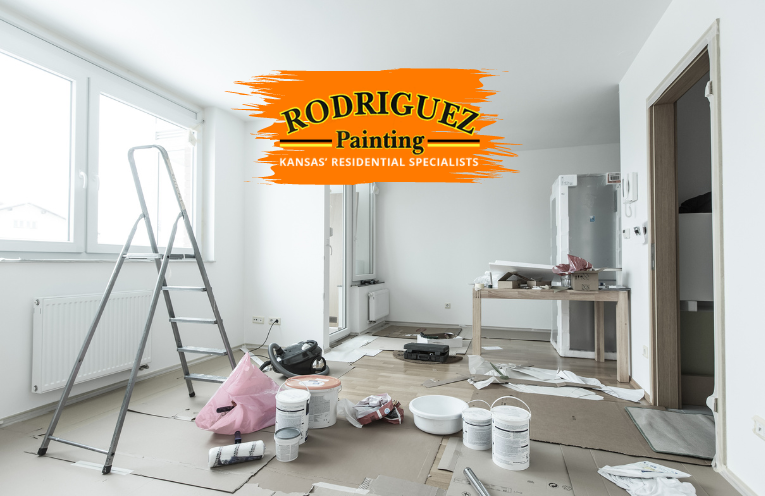

Homeowners shopping for the true cost to paint the interior of a house often start with the same thought. Painting seems simple. A few gallons, a couple rollers, and a weekend. Then reality hits. The project expands from painting walls to moving furniture, fixing dents, cutting in clean lines, buying supplies, and managing drying time.
If your home is around 2500 sq ft, the decision becomes even more important. The cost to paint a 2500 sq ft house interior can swing widely depending on what you paint, how much prep is needed, and whether you want a basic refresh or a high end finish that lasts for years.
This guide compares DIY and professional painting through a cost focused lens. It breaks down real expenses, time requirements, quality differences, and long term value. It is written for Kansas homeowners who want clarity before making a decision.
To go into the room-by-room pricing and options, refer article to Interior House Painting Costs Explained: What Affects Your Final Price, exploring what is the average cost to paint the interior of a house.
Quick Cost Snapshot for a 2500 Sq Ft Interior
A 2500 sq ft home footprint does not equal the exact paintable surface area. Paintable area is usually much larger because walls, ceilings, doors, and trim add up fast. Still, many pricing guides and contractor estimates begin with the home footprint because it provides a consistent baseline.
Here are realistic starting ranges most homeowners see when comparing DIY and professional options.
DIY ballpark range
A DIY interior repaint for a 2500 sq ft home often lands in the range of a few thousand dollars if you already have tools and your walls are in good condition. It can climb quickly if you need to buy equipment, cover floors and furniture, repair wall damage, or switch colors.
Professional ballpark range
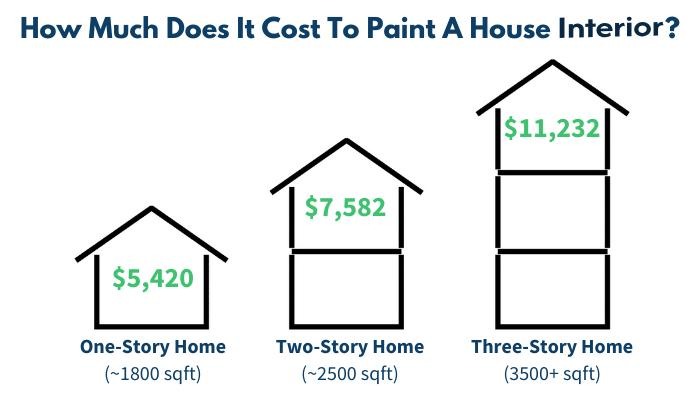
Many industry cost guides commonly cite interior painting in the range of about two to six dollars per square foot depending on scope. When you multiply that by a 2500 sq ft home, you can see why professional totals often land in the five figure range, especially when ceilings, trim, doors, repairs, and premium paints are included.
A useful comparison is to think of DIY as lower cash cost but higher time and risk. Professional painting is higher upfront investment but stronger consistency, faster completion, and better longevity when done correctly.

Understanding What Cost Effective Really Means
Many homeowners define cost effective as the cheapest upfront. That is only one part of the equation.
A better definition is total value over time, including:
• Upfront cash cost
• Time investment and disruption at home
• Risk of mistakes that require repainting
• Durability and cleanability of the finish
• How long the paint job looks fresh
• Stress level and project management load
• Impact on home value and buyer perception
DIY can be cost effective when the scope is small, the walls are clean, and you have time and patience. Professional painting can be cost effective when the home is larger, repairs are needed, ceilings are tall, or you want a consistent finish across multiple rooms.
What Drives the Cost to Paint Interior of House at 2500 Sq Ft
The cost to paint the interior of a house depends less on the size alone and more on the scope choices you make.
Surfaces included
Walls only is the most affordable version.
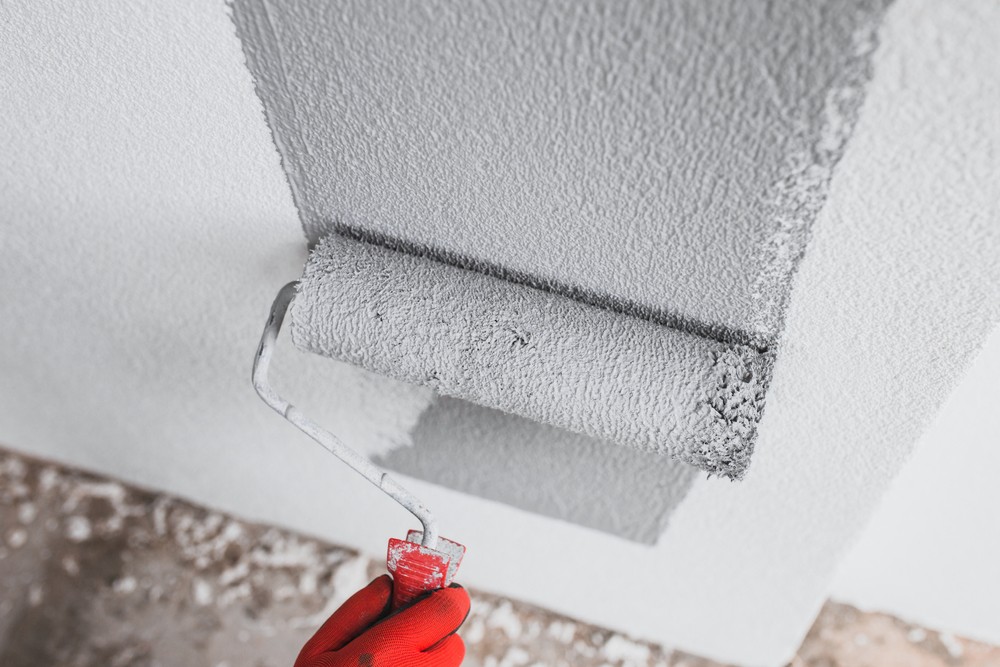
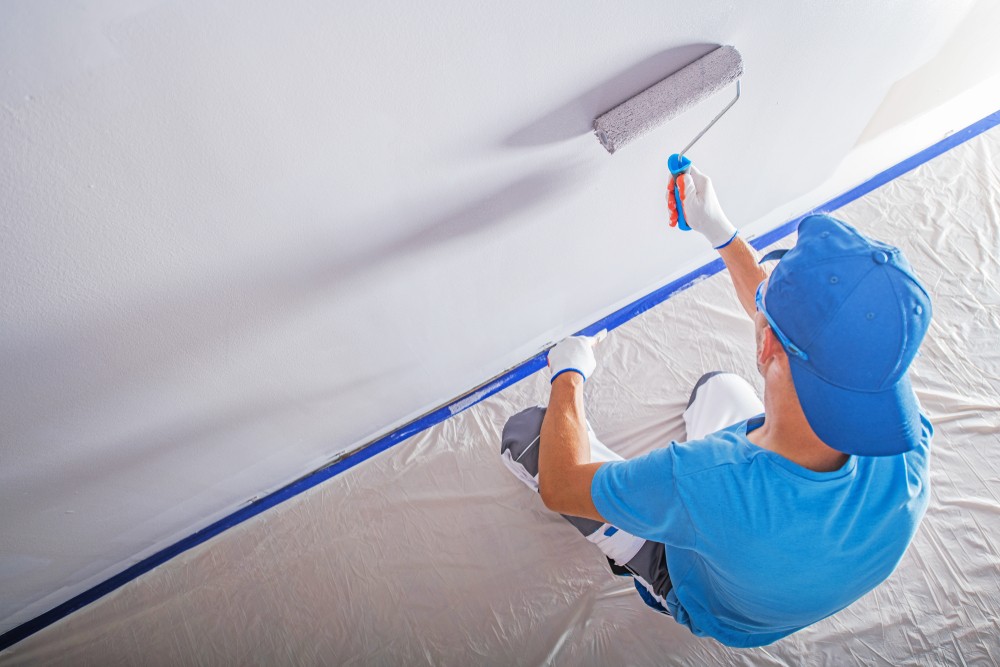
Walls plus ceilings raises the cost because ceilings require more prep and careful rolling to avoid lap marks.
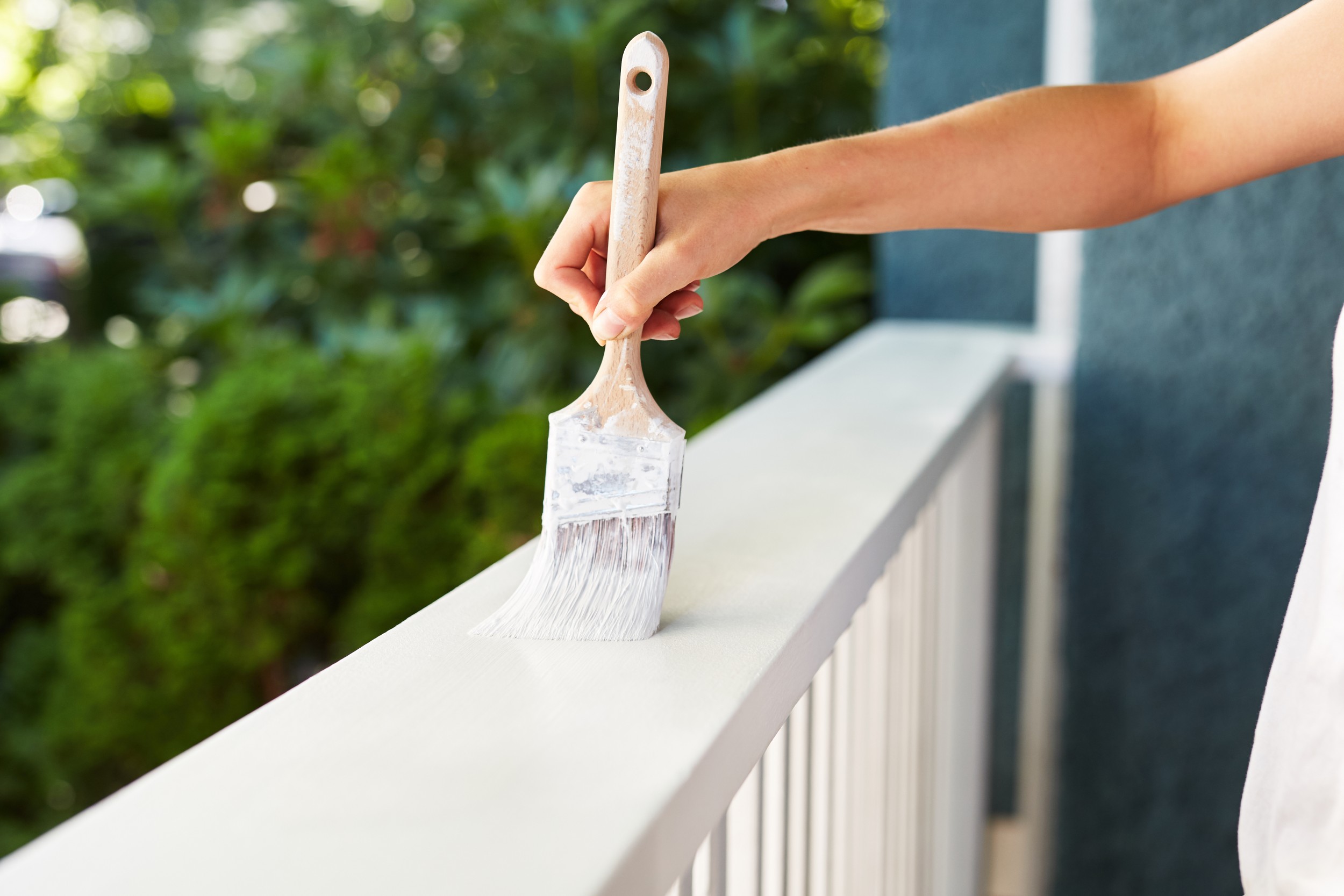
Walls plus trim and doors raise the cost because detail work is labor heavy. Trim can include baseboards, window casings, door frames, and sometimes crown molding.
Wall condition and prep work
Prep work is one of the biggest cost drivers. It includes cleaning, patching drywall, filling nail holes, sanding rough areas, caulking gaps, and spot priming.
The better the prep, the better the adhesion. The better the adhesion, the longer the finish lasts.
Paint quality and sheen selection
Paint is not one flat commodity. Mid grade paint can be perfectly fine for low traffic rooms. Premium paint is often more washable and scuff resistant, which matters in hallways, kids rooms, and high use living areas.
Sheen also matters.
Flat hides imperfections but is less washable.
Eggshell and satin are common for walls because they balance appearance and cleanability.
Semi gloss is often used for trim because it is durable and easier to wipe clean.
Number of coats and color change
Two coats are common for consistent color and durability. Dark to light changes often need primer plus two coats. Bright colors can require extra coats depending on the paint line and base used.
Ceiling height and layout complexity
Tall walls, stairwells, vaulted ceilings, and open concept spaces add ladder work and time. A 2500 sq ft home with a simple layout is cheaper to paint than a 2500 sq ft home with complex architecture.
DIY Cost Breakdown for a 2500 Sq Ft House Interior
DIY costs can look deceptively low if you only price paint. The real DIY budget includes materials, tools, protection, and repairs.
Below is a practical breakdown of what Kansas homeowners often spend. Your results will vary, but this gives a realistic planning framework.
Paint and primer
Most interior paints cover roughly 350 to 400 square feet per gallon under typical conditions. Coverage varies by texture, porosity, and how heavy you roll. (Sherwin Williams)
A 2500 sq ft home footprint can require a surprisingly large amount of paint when you account for wall area across many rooms, plus closets and hallways.
If you paint walls only with two coats, you may need a significant number of gallons. If you include ceilings and trim, the total increases.
Primer adds cost but saves money when it prevents bleeding through, improves adhesion, and reduces extra coats.
Supplies and tools
DIY supplies often include:
• Rollers and roller covers
• Extension poles
• Quality brushes for cutting in
• Painter tape
• Drop cloths and plastic sheeting
• Spackle or joint compound
• Sanding blocks or sandpaper
• Caulk and caulk gun
• Putty knives
• Paint trays and liners
• Cleaning materials
If you already own tools, your cost is lower. If you start from scratch, supplies can add a meaningful amount to the budget.
Repairs and prep materials
If you have nail pops, small cracks, dents, or scuffed drywall, you will need repair materials and time. DIY prep is often where projects fall behind schedule.
Time cost
Time is a real expense even if it does not show on a receipt.
A full interior repaint of a 2500 sq ft home can take many days or even weeks for a DIY homeowner. That includes nights and weekends, moving furniture, waiting for coats to dry, and cleaning up.
If you are painting while living in the home, disruption can be high. It is common to lose access to rooms for extended periods.
Risk cost
DIY mistakes have a cost too.
Common issues include:
• Visible roller lines and lap marks
• Uneven sheen due to patchy coverage
• Poor cut lines around ceilings and trim
• Paint bleed under tape
• Drips and splatter on floors
• Peeling paint due to poor prep or skipping primer
• Inconsistent color between rooms due to batch differences
When mistakes require repainting, your DIY savings shrink fast.
Professional Painting Cost Breakdown for a 2500 Sq Ft Interior
Professional pricing can feel high until you compare what is included. Professional quotes typically roll several components into one scope:
• Labor for prep, masking, and painting
• Materials and consumables
• Skill and speed
• Consistent finish standards
• Site protection and cleanup
• Project management
The largest part of professional cost is labor. Labor cost reflects the time and skill needed to prep surfaces properly and apply paint evenly.
Common professional pricing structures
Some painters quote by the square foot. Others quote by room. Some provide a full project total based on walkthrough scope.
Many cost guides cite professional interior painting in the range of about two to six dollars per square foot depending on whether you paint walls only or include trim and ceilings.
For a 2500 sq ft home, the professional total often lands in a range that reflects both scope and finish level.
Walls only with minimal repairs will be on the lower end.
Walls plus trim, doors, ceilings, repairs, and premium paint systems will be higher.
What you often get with professional work
This is where the value shows up.
A well run painting crew will typically:
• Protect floors, furniture, and fixtures
• Repair minor wall damage properly
• Sand patches and feather edges
• Caulk gaps on trim for clean lines
• Use correct primers for stains and transitions
• Apply consistent coats across rooms
• Deliver clean cut lines at edges
• Maintain a predictable schedule
• Clean up daily and at completion
This reduces stress and reduces the risk of needing to repaint soon.
Interior Painting Costs at a Glance
This table is designed to help homeowners compare typical interior painting costs by room type and then map those costs toward a 2500 sq ft home scope.
|
Area or Room Type |
Average Cost Range |
Cost per Sq Ft |
Notes |
|---|---|---|---|
|
Bedroom 10 by 12 |
300 to 700 |
2.50 to 4.00 |
Includes ceiling and trim when scoped |
|
Living Room |
600 to 1200 |
2.50 to 4.50 |
Higher ceilings increase labor time |
|
Kitchen |
400 to 800 |
3.00 to 5.00 |
Grease prep and primer may be needed |
|
Bathroom |
200 to 500 |
2.00 to 3.50 |
Moisture resistant paint recommended |
|
2500 sq ft interior walls only |
5000 to 15000 |
2.00 to 6.00 |
Wide range based on scope and prep |
|
2500 sq ft walls plus trim plus ceilings |
11750 to 23500 |
about 4.70 average |
Often includes doors, trim, and ceilings |
The numbers above align with widely cited pricing patterns across major home improvement cost guides and contractor pricing references. The best way to confirm your cost is always a written estimate based on your home layout and paint scope.
DIY vs Professional: Which Wins on Cost for a 2500 Sq Ft Interior
This section compares real value categories that impact cost effectiveness.
Category 1: Upfront cash cost
DIY usually wins on upfront cash cost.
That is especially true if your walls are in good condition, your paint colors are similar to the existing colors, and you already own tools.
Professional painting usually costs more upfront because you are paying for skilled labor and faster completion.
Category 2: Time and disruption
Professional painting usually wins on time. A crew can finish in days what a homeowner might stretch across weekends.
DIY can be fine for a single room. It becomes much harder for a whole home because you must coordinate furniture movement, drying time, and daily living.
Time disruption is a cost even if it is not visible.
Category 3: Quality and durability
Professional painting often wins on finish consistency, especially across many rooms.
Durability is not only about paint quality. It is about prep, primer selection, coat consistency, and correct sheen selection for each area.
DIY can match professional quality if you have experience and patience. Many homeowners do not want the learning curve at the scale of a 2500 sq ft home.
Category 4: Risk of redo
For a whole home interior, redo risk is one of the biggest hidden costs of DIY.
Small issues like uneven cut lines can be annoying. Bigger issues like peeling due to poor prep can force full repainting.
Professional painting lowers redo risk when the contractor follows strong prep standards.
Category 5: True cost over time
If DIY lasts three years before it looks worn and professional work lasts eight years before it needs repainting, the professional option may be more cost effective even if it costs more upfront.
Cost effectiveness is the cost divided by years of performance.
This is the mindset many Kansas homeowners use when evaluating the best option.
Kansas Specific Considerations for a 2500 Sq Ft Interior
Kansas has seasonal swings that affect painting conditions and scheduling.
Winter scheduling and availability
Interior painting is available year round. Many contractors have more scheduling flexibility in winter, which can create better availability for larger projects.
Summer schedules
Summer can be busy. Families often schedule projects around school breaks, which can push demand.
Humidity and indoor air considerations
Homes may be closed up during extreme seasons. That means ventilation planning matters, especially if you are sensitive to odors.
Low VOC and zero VOC paints can be helpful in reducing indoor air concerns. VOCs are commonly higher indoors than outdoors and can impact indoor air quality. (US EPA)
This is one of the reasons many homeowners ask about low odor paint and fast recoat time.
Maximizing Your Painting Investment
Interior painting is an investment. It is not only a cosmetic change. It affects maintenance, cleaning ease, and how fresh your home feels day to day.
A cost effective decision protects your money today and reduces repainting frequency later.
Best practices for long lasting results
Invest in quality preparation. Proper prep work can significantly extend paint life and reduce failures like peeling, cracking, or flashing.
Choose appropriate paint grades. Match the paint quality to how the room is used. Kitchens, hallways, and kids rooms benefit from higher durability and better washability.
Plan for regular maintenance. Small touch ups every two to three years can keep walls looking clean and delay the need for major repainting.
Consider climate factors. Seasonal changes and indoor humidity influence curing. Moisture resistant formulations are valuable in bathrooms, laundry rooms, and kitchens.
When to schedule your project
Interior painting is available year round. Winter often offers the best scheduling flexibility for interior projects.
Exterior painting has narrower ideal windows. Many homeowners find that spring and fall are easier for exterior work due to more stable conditions.
Avoid peak heat months when possible. Extreme heat can affect application conditions and crew efficiency, especially for exterior work.
When DIY Is Truly the More Cost Effective Choice
DIY can be the best choice in specific situations.
You may be a strong DIY candidate if:
• The walls are already in good condition
• You are repainting similar colors
• You are painting a few rooms, not the whole home at once
• You already own equipment and protection materials
• You have time to work steadily without rushing
• You enjoy the process and can handle detailed prep
• You are comfortable cutting in clean edges without relying on heavy tape
In these cases, DIY can deliver meaningful savings.
A smart strategy is to start with one room. If the process is smooth and the finish looks good in daylight, you can expand to more rooms.
When Hiring a Professional Is More Cost Effective
For many homeowners, professional work becomes more cost effective as scope and complexity increase.
Hiring a pro often wins when:
• The home has high ceilings or stairwells
• Trim, doors, and ceilings are included
• Wall repairs and patching are needed
• You want consistent color and sheen across many rooms
• You need the project finished quickly
• You do not want furniture moving and daily disruption for weeks
• You want a finish that holds up longer before repainting
• You want a clear written scope with predictable results
A 2500 sq ft interior is large enough that labor efficiency and crew speed matter. This is why professional work can be cost effective even with higher upfront pricing.
Rodriguez Painting Kansas focuses on clear scopes, finish consistency, and an organized process so homeowners can decide with confidence. At Rodriguez Painting Kansas you can hire our professional painters for a quick scope review and timeline, or request a free estimate. Call us at 816-289-7239 and get a free quote today.
Conclusion
There is no universal winner. The right choice depends on your time, your tolerance for disruption, and how important finish consistency is to you.
DIY is often more cost effective when the scope is limited, wall conditions are good, and you already own tools.
Professional interior painting is often more cost effective when the home is larger, repairs are needed, ceilings are tall, and you want predictable quality across multiple rooms.
For many Kansas homeowners, the most cost effective path is choosing the option that avoids redo work. Repainting too soon costs more than doing it right the first time.
To go into the room-by-room pricing and options, refer article to Interior House Painting Costs Explained: What Affects Your Final Price, exploring what is the average cost to paint the interior of a house.
Ready to confirm the real cost to paint interior of house for your 2500 sq ft layout in Kansas?
Contact Rodriguez Painting Kansas or call at 816-289-7239 for a clear written estimate with scope, prep, and timeline.
FAQs
How much does it cost to paint the interior of a 2500 sq ft house in Kansas?
The cost to paint interior of house at 2500 sq ft typically ranges from about five thousand to fifteen thousand dollars. The final price depends on wall condition, number of coats, paint quality, ceilings, trim, and prep work. Homes with minimal repairs and walls only fall on the lower end, while full scope projects cost more.
Is DIY painting cheaper than hiring professionals for a large home?
DIY painting usually has a lower upfront cash cost. However, for a 2500 sq ft interior, professional painting can be more cost effective long term due to better prep, faster completion, and longer lasting results. DIY becomes less cost effective if repainting is needed within a few years.
How long does it take to paint a 2500 sq ft house interior?
A professional crew can usually complete a 2500 sq ft interior in several days, depending on scope. DIY painting often takes multiple weekends or several weeks when working room by room while living in the home.
How many gallons of paint are needed for a 2500 sq ft interior?
The number of gallons depends on wall area, ceiling height, texture, and number of coats. Most interior paints cover around three hundred fifty to four hundred square feet per gallon. A full interior repaint with two coats often requires a significant amount of paint, especially if ceilings and trim are included.
Does painting trim and doors increase the total cost?
Yes. Trim and doors add labor time because they require detailed cutting and multiple coats. Including baseboards, door frames, and interior doors increases the overall cost to paint a 2500 sq ft house interior.
What type of paint is best for large interior projects?
For large homes, durable low VOC paints with good washability are recommended. Eggshell or satin finishes work well for walls, while semi gloss is commonly used for trim and doors. Higher quality paint can reduce maintenance and extend the life of the finish.
When is the best time to paint a house interior in Kansas?
Interior painting can be done year round. Many homeowners prefer winter months because scheduling is easier and daily disruption is lower. Summer months can be busier due to higher demand.
Should I get multiple estimates before deciding?
Yes. Comparing written estimates helps you understand what is included, such as prep work, number of coats, ceilings, trim, and materials. This makes it easier to compare true value rather than just price.