If you are trying to budget the cost to paint the interior of a house, a 1000 sq ft interior is one of the most common scenarios homeowners research first. It feels manageable, yet it is large enough that small choices can swing the total by thousands.
The biggest decision is simple on paper. Do you paint it yourself, or do you hire a professional crew.
The real answer is not just about who holds the roller. It is about prep quality, the number of coats, the paint system you choose, how much time you can realistically commit, and whether you will need to redo sections later. Data across major pricing resources consistently shows that professional interior painting commonly lands within a per square foot range that expands based on scope and wall condition.
This guide breaks the decision down the way homeowners actually think about it.
You will see real cost ranges, what drives the differences, how to estimate paint and primer, and how to choose the option that protects both your budget and your finish. Rodriguez Painting Kansas is referenced as the local service example, but this is not a brand heavy sales page. It is a cost clarity guide built for homeowners.
What a 1000 sq ft interior paint job usually includes
A common misunderstanding is that 1000 sq ft refers to the exact paintable wall surface. Many pricing sources use floor square footage as a planning metric, then adjust for height, openings, and included surfaces.
A standard interior repaint for a 1000 sq ft home often includes these scopes, depending on the quote:
• Walls only in main rooms and bedrooms
• Walls plus ceilings
• Walls plus trim and doors
• Full repaint including closets, hallways, stair areas, and accent features
This is why the cost to paint 1000 sq ft house interior can look wildly different from one estimate to another. A walls only repaint is a different project than a whole home refresh with ceilings, trim, and door packages.
Baseline professional pricing and why it varies
Across large home improvement pricing sources, a common professional range for interior work is about 2 to 6 dollars per square foot for typical projects, with higher costs for complexity or difficult access.
Cost calculator estimates updated monthly, shows January 2026 baseline costs for painting a home and painting rooms that can land higher when site conditions and options are included.
The important point is not picking one number. The important point is knowing what pushes you toward the lower end or the higher end.
These factors repeatedly appear across top cost references:
• Prep requirements such as patching drywall, sanding, caulking, and stain blocking primer
• Paint quality and finish selection, such as eggshell, satin, and semi gloss
• Number of coats and color change difficulty
• Ceiling height, stairwells, and vaulted areas
• Trim, doors, and detailed cut lines that increase labor time
From a homeowner perspective, this means your quote is not just labor plus paint. It is labor plus prep standards plus scope clarity.
DIY cost breakdown for a 1000 sq ft interior
DIY feels cheaper because you do not pay labor. But DIY still includes real costs in materials, tools, time, cleanup, and the risk of rework.
A good DIY budget starts with five categories:
• Paint and primer
• Application tools
• Prep materials
• Protection and masking
• Cleanup and disposal
Paint and primer
Paint cost depends on brand and grade. A mid tier interior paint commonly requires two coats for consistent coverage, especially when changing color. Cost changes significantly based on paint type, finish, and number of coats, and it highlights how supplies can shift the DIY total.
For primer planning, a gallon of primer covers about 200 to 300 square feet.
Even if you choose another brand, that coverage benchmark is useful for estimating. It also signals why major color changes or stain blocking can add more gallons than homeowners expect.
Tools and equipment
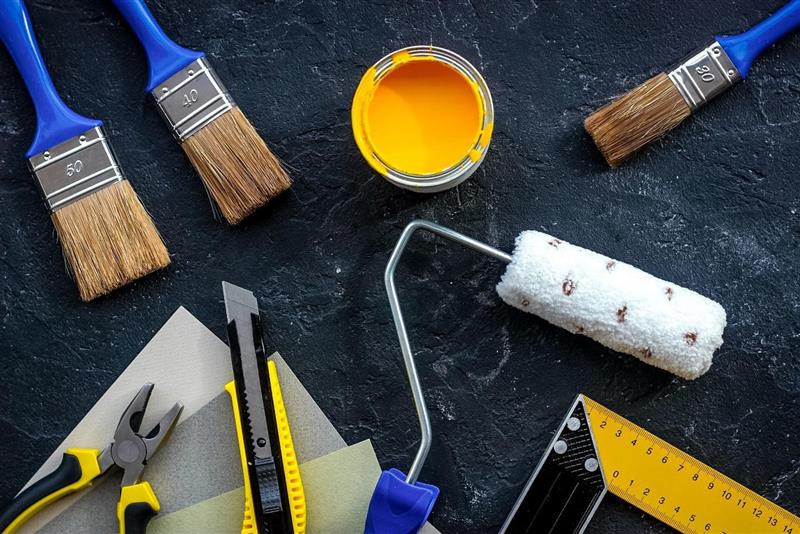
DIY often requires tool purchases that a homeowner does not include in the first estimate:
• Roller frames and covers
• Angled sash brushes
• Extension poles
• Paint trays and liners
• Drop cloths, plastic sheeting, and painter tape
• Step ladder
• Sanding sponges and patching knives
• Caulk and caulk gun
The Spruce highlights that DIY costs jump when you do not already own supplies and tools.
Prep materials
Prep is where DIY gets expensive in time and risk, even if it looks cheap in receipts.
Common prep materials include:
• Spackle or joint compound
• Drywall tape for cracks
• Sandpaper and sanding sponges
• Degreaser for kitchens
• Stain blocking primer for water stains or smoke
• Caulk for trim gaps
Many pricing sources emphasize that preparation is a major driver of cost because it is labor heavy.
Protection and masking
This includes floor covering, plastic for furniture, and careful tape lines. If you skip it, you may pay later in damage or cleanup.
Cleanup and disposal
DIY includes brush cleaning, disposal, storage of leftover paint, and the time to restore rooms to normal use.
A realistic DIY cost range for a 1000 sq ft interior
A reasonable DIY cost can range widely, but a practical planning window for a 1000 sq ft interior often lands between:
• Lower DIY spend when walls are in great condition, same color family, and you own tools
• Higher DIY spend when you need primer, repairs, new tools, and higher quality paint
Using the logic in major cost guides, DIY can still reach a meaningful total once you account for supplies and tool acquisition.
The DIY financial advantage is strongest when the job is simple and your time has low opportunity cost.
Pro cost breakdown for a 1000 sq ft interior
Professional pricing generally bundles labor and expertise, plus the ability to finish faster with consistent results.
Angi reports interior painting commonly costs about 2 to 6 dollars per square foot and notes that home size strongly influences the total.
Some other sources provides a higher figure when projects include a broader scope such as priming, painting, and sealing walls, which reflects how scope definitions shift pricing.
What a professional quote typically includes
A well written professional scope typically addresses:
• Surface prep approach
• Number of coats and product system
• Areas included such as walls, ceilings, trim, doors
• Protection plan for floors and furniture
• Cleanup and final walkthrough
If you are comparing quotes, it is worth checking whether the quote assumes:
• Two coats everywhere
• Spot priming only, or full priming
• Patch work limits
• Who moves furniture
These details matter because they change the true cost to paint interior of house, even if the top line quote looks similar.
A realistic professional range for a 1000 sq ft interior
Using Kansas specific signals and national averages together gives a more realistic window.
For Kansas City area references, interior costs can run about 2 to 6 dollars per square foot and that older homes may require additional wall prep costs per square foot.
For Wichita, one local cost guide suggests that a 1000 sq ft interior painting job can range roughly from 3000 to 7000 dollars, depending on project details.
Kansas focused content also gives a smaller home interior range in the low thousands depending on scope.
These are not perfectly consistent because they define scope differently. That is the point. Your number depends on what is included.
Hidden costs most DIY estimates miss
DIY cost errors usually fall into five buckets.
Underestimating paint quantity
Homeowners often estimate by floor square footage instead of paintable wall surface. That mistake leads to last minute store runs, inconsistent batches, or settling for one coat.
Sherwin Williams coverage benchmarks help avoid that issue, especially for primer planning.
Underestimating prep time
Prep is not optional if you care about the finish. It is where adhesion is won or lost.
Many cost references repeatedly highlight prep and repairs as a major cost driver.
Uneven finish and the cost of correction
Lap marks, roller stipple inconsistencies, and poor cut lines can require repainting sections. That means more paint, more time, and sometimes hiring a pro anyway.
The cost of your time
A 1000 sq ft interior can take many evenings and weekends for a DIY homeowner, especially if you are doing prep and multiple coats. If your time has a high value, DIY loses its cost edge quickly.
Safety risks
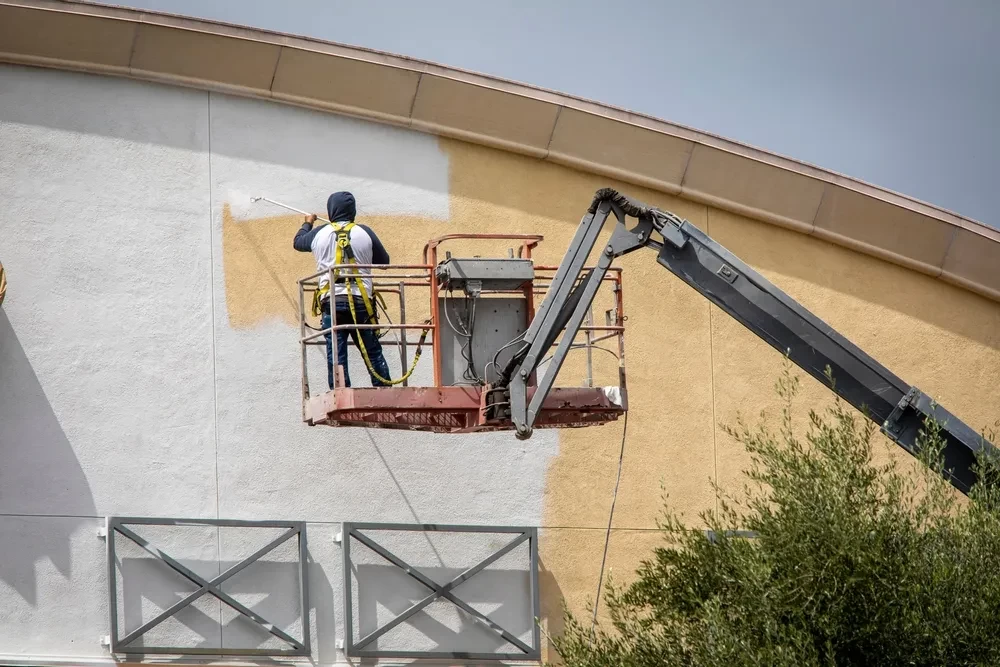
Ceilings, stairwells, and high walls increase fall risk. This is a real cost category even if it does not show up on a receipt.
Hidden costs most pro quotes do not spell out
Professional quotes are not automatically comparable. Here are common items that create surprises.
Scope exclusions
Some quotes are walls only, even if you assumed trim and ceilings were included. Others exclude closets, stairwells, or doors.
Repair limits
Many quotes include minor patching only, then charge extra for larger repairs. This is reasonable, but it must be clarified.
Premium paints and upgrades
If a quote includes a basic product line, upgrading to a higher durability paint can change the total. The benefit is better washability and longer wear.
Scheduling tradeoffs
Peak season availability can affect pricing and timelines. Off peak scheduling may create better flexibility.
Kansas price realities and regional variation
Kansas pricing is influenced by:
• Local labor markets
• Housing stock age and wall types
• Seasonal scheduling patterns
• The mix of new builds versus older plaster or textured walls
Kansas City area guidance notes that older homes may need additional prep costs per square foot.
That matters in real life because patching, sanding, and crack repair are time heavy. In older homes, this can be the difference between a simple repaint and a partial surface restoration.
If you are in Wichita, some cost references show interior ranges that can be higher depending on scope and included work.
If you are in Kansas, general cost ranges for smaller homes can land lower depending on what is included.
The takeaway is simple. The cost to paint 1000 sq ft house interior in Kansas is best estimated using a range, then tightened with a scope checklist.
|
Category |
DIY approach |
Professional approach |
|---|---|---|
|
Upfront cash |
Lower cash, higher time |
Higher cash, lower time |
|
Prep quality |
Depends on skill and patience |
Consistent standards and speed |
|
Finish consistency |
Variable, rework risk |
More uniform coverage and cut lines |
|
Tools and equipment |
You buy or rent |
Crew brings equipment |
|
Timeline |
Weekends and evenings |
Scheduled completion window |
|
Safety on heights |
Higher risk |
Managed by trained crew |
|
Long term durability |
Depends on prep and product |
Often stronger when prep is thorough |
|
Best fit |
Simple walls, same color family, minimal repairs |
Larger scope, repairs, ceilings, trim, or time constraints |
When DIY makes financial sense
DIY is most cost effective when these conditions are true:
• Walls are smooth and in good condition
• You are not making a dramatic color change
• You are painting walls only, not trim and ceilings
• You already own most tools
• You can tolerate a longer timeline
• You have experience with cut lines and rolling technique
In that situation, the cost to paint interior of house can remain mostly in materials, and the results can still look good.
When hiring a pro is the better value
When considering the DIY vs professional painting cost aspect, hiring a pro becomes the better value when the job includes complexity that multiplies labor time.
Common triggers include:
• Multiple colors, accent walls, or significant color change requiring primer
• Lots of trim, doors, or detailed cut in areas
• High ceilings, stairwells, vaulted sections
• Older wall surfaces requiring crack repair and patching
• Tight move in schedules or short timelines
A professional crew also reduces risk. Even if DIY looks cheaper, the value equation changes if you may redo rooms later.
Rodriguez Painting Kansas is a good fit for homeowners who want scope clarity, durable product selection, and a clean finish without a long DIY timeline, but the true comparison still comes down to your home and your priorities.
Paint and primer planning for realistic quantities
A practical way to estimate materials is to separate walls, ceilings, and trim.
For primer, a gallon often covers about 200 to 300 square feet, per Sherwin Williams guidance.
For paint, coverage depends on the product and wall texture, but many homeowners plan around typical gallon coverage norms and then adjust after measuring. The key is not the exact number. The key is planning for two coats when needed.
Here is a homeowner friendly planning method:
• Measure each room wall perimeter and height to estimate wall surface
• Subtract large windows and doors only if you want precision
• Plan for two coats if you are changing color or going from dark to light
• Add extra for textured walls and heavy patch areas
If you want a safer estimate, you assume slightly more paint, not less. Leftover paint is useful for touch ups.
Prep standards that change the life of the paint job
Prep is the difference between a finish that lasts and a finish that fails early.
Most pricing resources point to prep and wall condition as major cost drivers.
A durable interior prep process typically includes:
• Cleaning oils and residue in kitchens
• Light sanding for glossy surfaces
• Patching dents and cracks
• Caulking gaps at trim edges
• Spot priming repairs
• Stain blocking primer for water marks or smoke
This section is also where pros often create the most value. DIY homeowners can do prep well, but it takes time and discipline.
Indoor air and low VOC choices
Some homeowners also budget for low odor and low VOC paint systems. This is especially relevant in bedrooms, nurseries, and homes with sensitivities.
The EPA explains that VOCs can affect indoor air quality and notes that concentrations of many VOCs can be higher indoors than outdoors.
This does not mean all paints are unsafe. It means product choice and ventilation matter, and it is reasonable to ask a contractor about low VOC options and drying time.
This is also a smart place to make choices that improve comfort without meaningfully changing labor costs.
Safety and compliance considerations in older homes
If your home was built before 1978, it may involve lead paint risk. Some homeowner guides remind readers that older homes may require special handling.
You do not need to panic. You do need to ask the right questions before sanding or disturbing old coatings. This is another area where hiring a qualified pro can reduce risk.
At Rodriguez Painting Kansas you can hire our professional interior painters for a quick scope review and timeline, or request a free estimate. Call us at 816-289-7239 and get a free quote today.
Conclusion
DIY can lower your upfront spend, but it rarely tells the whole story. For a 1000 sq ft interior, the real cost depends on your scope, your prep needs, and how quickly you need your home back to normal.
If your walls are clean, smooth, and you are staying close to the existing color, DIY can be a smart option. It can keep the cost to paint interior of house largely limited to materials.
If your home needs repairs, significant color change, ceilings, trim work, or a faster timeline, hiring a professional often delivers better value. It reduces rework risk, improves finish consistency, and typically extends the life of the paint job.
To go into the room-by-room pricing and options, refer article to Interior House Painting Costs Explained: What Affects Your Final Price, exploring what is the average cost to paint the interior of a house.
Ready to compare your DIY budget with a professional quote for your Kansas home?
Contact Rodriguez Painting Kansas or call today at 816-289-7239 to get a clear scope and a personalized estimate for the cost to paint 1000 sq ft house interior.
FAQs
What is the typical cost to paint interior of house for a 1000 sq ft home in Kansas?
Many national sources cite interior painting ranges around 2 to 6 dollars per square foot depending on scope and conditions, and Kansas local references show totals that can land in the low thousands up to higher ranges when prep and included surfaces expand.
Why do professional quotes vary so much for the same square footage?
Because square footage alone does not define scope. One quote may be walls only with minimal prep. Another may include ceilings, trim, doors, repairs, and primer.
How do I estimate how much primer I need?
A gallon of primer can cover about 200 to 300 square feet, so primer needs depend on how much surface requires it and whether you are sealing stains or making a major color change.
Is DIY always cheaper?
Not always. DIY can become more expensive when you need new tools, extra coats, major repairs, or when mistakes require repainting. Your time also has value.
Is low VOC paint worth it?
Many homeowners choose low VOC products for comfort and indoor air quality considerations. VOCs can impact indoor air quality and indoor concentrations can be higher than outdoors.