
When pricing the home's interior to paint, a typical point of reference is a home of 1500 sq. ft., making painting costs an essential factor to consider Although the cost differs depending on the region, the paint system and the preparation work carried out, the majority of the homeowners would like to have a straight answer right upfront: Many homeowners wonder about the average interior painting project and ask how much does it cost to paint the interior of a house, also considering the overall interior painting cost by home size and why??
This guide decomposes price per square foot, line-items that are common, regional factors in costs, coverage mathematics, key factors, and budget tips that indeed save money without compromising the quality of finish, as these factors affect the overall pricing.
Typical Ranges for a 1,500 sq. ft. Interior
A 1500 sq. ft. re-painting is typically classified into three categories. The tier will be based on the square footage and scope, considering several key factors including the tier will be based on the square footage and scope, considering several key factors including the presence of textured walls in the home's interior. (walls vs walls and ceilings and trim), prep and paint quality.
Walls-Only Refresh
-
Expect $2.50-$3.25 per sq. ft., especially when factoring in multiple coats.
-
Total estimate: $3,750-$4,875.
This will be based on light patching, surface repair, spot priming, and two layers on the wall of the same or similar color. Ceilings and trim are usually optional, but consider moving furniture to ease the process.
Mid-Scope Package
-
Expect $3.50-$4.75 per sq. ft.
-
Total estimate: $5,250-$7,125.
You are typically tackling vaulted ceilings or primitive trim/doors, considering the room size for a color switch in some of the rooms, including dining rooms and typical repairs.
Full Finish Upgrade
-
Expect $4.75-$6.00 per square foot.
-
Total estimate: $7,125-$9,000.
This includes walls, ceilings, full trim / doors, more comprehensive repairs, and may involve This includes walls, ceilings, full trim / doors, more comprehensive repairs, and may involve eco-friendly oil-based paint, or enamel paint for better durability, especially in rooms with high ceilings, or enamel paint for better durability. As well as a high quality low-VOC and scrubbable paint system that considers material costs with the correct sheens on different surfaces.
Why Prices Shift
Prep is the big lever. Further patching, sanding, caulking, stain-blocking, or priming elevates your scale. Color changes matter too, and understanding the preparation requirements and prep work requirements is crucial to save money on overall costs. Dark-to-light frequently requires an additional paint or specialty paint. Detail drives labor costs and time. Labor is increased with projects that involve crown molding, built-ins, coffered ceilings, or multi-panel doors.
Access adds friction. Foyers and stairwells are two stories long, and a lot of furniture handling, extending, setting up, and masking. Products count. High-end low-VOC lines are more expensive initially but are longer lasting and are more easily touchable.
Quick Math to Sanity-Check Quotes
Select the band that corresponds to your scope, multiply it by 1,500, and allow extras. Example: mid-scope at $4.00/sq. ft. - $6,000.
Have ceilings and trim with moderate repairs - add 25% - 7,500. When bidding is much less than the band, verify coats, painting line, and preparations in writing.
What's Usually Included?
On average, labor occupies 55-70 percent of the overall cost, influenced by several factors. Consumables (paint, primer, caulk, masking) 20-30%. OH, and PM occupy an approximate of 10-15%.
A good quote will include surfaces (walls, ceilings, trim, doors), the number of coats, brand/line of specific paint used, and precise prep work.
Budget Tips for 1,500 Sq. Ft. Interior
Start with scope control. Decide whether it is walls or walls and ceilings, and trim. Walls-only puts you in the lower per-sq-ft band. The ceilings and full trim are an option that will add value at the time of resale or complete remodeling; however, this option will increase the number of labor hours and materials.
Conference rooms to lessen mobilization. It is more effective to paint a hallway, a living room, a dining room, and bedrooms all at once as opposed to splitting them apart. You save on installation, disguise, and cleanup processes, and this reduces the effective cost per square foot. You save on installation, disguise, and cleanup processes, and this reduces the effective cost per square foot, especially when you get multiple quotes from different painters who may offer discounts to paint a house.
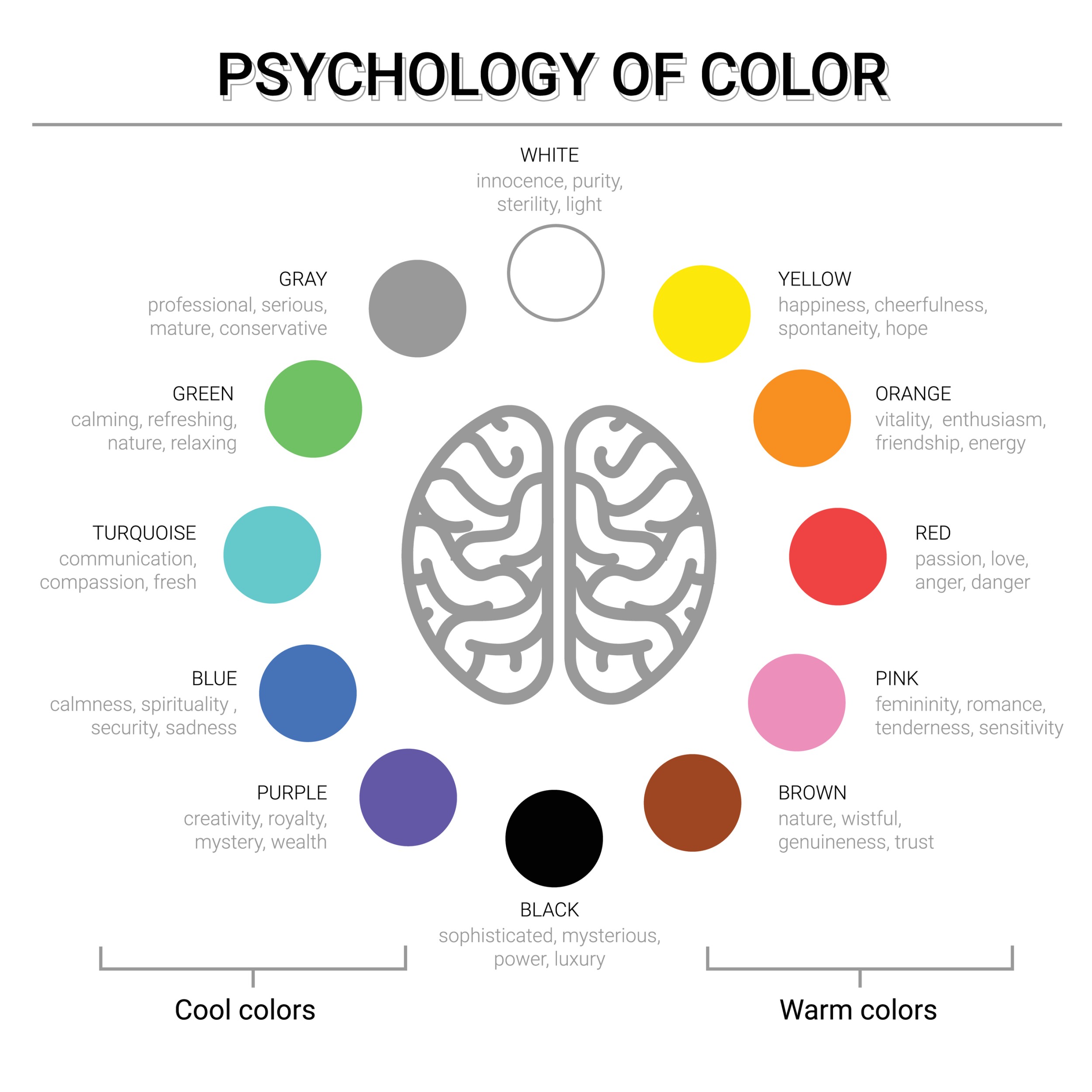
Freeze your color scheme. The most dramatic cost increase is dark to light changes that require a third coat or specialty. Select a palette that allows two overcoats wherever practicable. Enquire of your painter whether a high-hide primer will cut down on the number of coats on problem colors.
Select resistant finishes where necessary. The paint offers a scrubbable finish on the walls in high-traffic areas, as well as on the trim and doors, providing a semi-gloss finish that lasts longer. It is well worth a little extra today to have a better line than, and it may save you a complete repaint today, which raises the question of how much it costs to achieve this quality, keeping in mind the average cost of materials.
Budget for prep, don't skip it. What makes paint last, especially in interior projects, is patching minor drywall areas, sanding shiny areas, stain-blocking, and caulking areas. When a quote appears to be abnormally low, it could be compromising prep or coats. That's a false economy.
Take off-season breaks where necessary. Late fall and winter are less strict with schedules. You can frequently have earlier flights and even better prices without a quality concession, even when you have the flexibility in your schedule.
Request a line-item scope. Request walls, ceiling, trim/doors, hours of repair, brand, paint type, paint line, sheen, and number of coats-itemized. Having an apples-to-apples scope, you can make strips or even add-ons (such as ceilings or doors) without having to re-quote the whole job.
Target "impact first." In case the entire 1,500 sq. ft. area is too narrow this month, begin with those areas that are changed daily, experience living rooms, corridors, and the main bedroom, or even a single room to start. Additional secondary rooms in a phase-two package to maintain the efficiency of cost per visit.
Protect what you're painting. Clean up the room, shift furniture to the center of the room, lay down drop cloths, and clear floors that are not being replaced. Easy access minimizes the time of climbing ladders and masking to keep labor costs low.
Select the appropriate level of product, not the highest price product. The sweet spot is likely to be a reputable low-VOC interior line and good touch-up properties and coverage. The ultra-premium paints may justify the high needs of high-demand spaces, yet the value equation frequently goes to quality mid-premium.
Confirm coverage math. The majority of interior paints are up to approximately 350-400 sq. ft. / gal. per coat on walls. Primers are lower. Ensure that your quote reflects realistic gallons to cover two coats based on the square footage; otherwise, you would end up paying more later because of the unanticipated overage in materials.
Keep touch-up paint. Request your painter to designate unused cans by room, sheen, and specific paint type. The correct storage of the touch-up paint will lengthen the life of the job and prevent a complete repaint of a room due to small dents.
Restrict micro change during projects. Minor life cycle changes (additional doors, additional accent wall, color replacement), compound setup, cut lines, and cleanup. Make changes in batches simultaneously so that the crew can adjust with minimum extra effort.
Enquire on warranty and touch-up policy. Spend is insured by a definite warranty of workmanship and a 30-day touch-up period. It also maintains the expectation in regards to normal wear versus covered matters.

How Much Paint Will You Need?
Start with the wall area. The most common quick rule of thumb is 2.5-2.7 wall surface multiplied by floor area used to determine the total wall area in case of 8-ft ceilings. In 1,500 sq. ft., that would be about 3,750-4,050 sq. ft. of walls. Precise math (perimeter x height less windows/doors) displays a smaller figure, but this is a shortcut, which is okay in the budget.
Use realistic coverage. Normal quality interior paints cover around 350-400 sq ft. per gallon of paint, each coating on the wall. An average coverage of primer is around 200-300 sq. ft. per gallon. Porous or formerly unpainted surfaces imbibe more, and so the lower end of each range should be planned.
Coats matter. When you are not going far away in color, you might even get away with a single coat and touch-ups. To achieve a clean and smooth finish - particularly where dark-to-light color changes are required - double-coat. That is twice your gallons of wall paint.
Walls-only estimate. At ~3,750–4,050 sq. ft. and 350 sq. ft./gal, you’ll need about 11–12 gallons per coat. Two coats mean 22–24 gallons of wall paint. If the current color is similar and coverage is excellent, you might land a bit lower; heavy texture or flat, thirsty paint pushes you higher.
Ceilings are separate. Ceiling area roughly equals floor area. For 1,500 sq. ft., plan 4–5 gallons per coat at 350–400 sq. ft./gal, which helps outline your material costs for the project. Many projects do one fresh coat on ceilings unless there’s staining or a color shift.
Trim and doors need their own calculation. Trim is driven by linear feet and profiles (baseboards, casings, crown). As a planning shortcut, average homes often use 1–2 gallons of semi-gloss for a basic trim package, plus another gallon if you’re doing multiple panel doors and built-ins. High-detail packages add more.
Primer is conditional. New drywall, stark color swings, stains, or glossy surfaces call for spot or full priming. At ~250 sq. ft./gal for primer on problem areas and other surfaces, a whole-house primer could run 12–16 gallons, but many repaints only need spot primer on patches and stains.
Don’t forget the overage. Add ~10% to cover cut lines, absorbent sections, and touch-ups. It’s better to have a little left in the labeled can for future repairs than to mismatch later.
Room-by-Room Pricing
According to HomeAdvisor, how much does it cost to paint the interior of a house averages $2,022 nationwide. with a typical $2–$6 per sq. ft. ranges that vary depending on scope, home size, and any necessary repair work. Use this as a benchmark when you’re scoping the painting costs to paint a 1500 sq ft house interior (adjust for local rates, heights, and prep).
|
Area / Room Type |
Average Cost Range |
Cost per Sq. Ft. |
Notes |
|---|---|---|---|
|
Bedroom (10×12) |
$300 – $700 |
$2.50 – $4.00 |
Includes ceiling + trim in many packages |
|
Living Room |
$600 – $1,200 |
$2.50 – $4.50 |
Taller walls increase labor |
|
Kitchen |
$400 – $800 |
$3.00 – $5.00 |
Extra degreasing + stain-blocking |
|
Bathroom |
$200 – $500 |
$2.00 – $3.50 |
Moisture-resistant paints recommended |
|
Whole Home (1,500 sq. ft.) |
$2,500 – $4,000 |
$2.50 – $3.50 |
Walls-only; add ceilings/trim |
Local Considerations
Labor rates, demand, and seasonality shift pricing, which can vary depending on the location and time of year. In busy metros or peak months (spring–summer), professional painters' crews book out faster and per-sq-ft rates can rise, affecting the overall price. Late fall and winter often bring better scheduling and occasional discounts, while avoiding cheap paint that can lower the effective average cost to paint the home's interior without cutting quality.
Climate and home construction matter, too. In humid or variable-temperature areas, pros favor low-VOC, scrubbable paints with reliable touch-up profiles and may recommend stain-blocking primers on problem spots. Older homes can need extra patching, drywall, caulking, and sanding to stabilize surfaces; new builds may paint faster with less prep.
Local rules and logistics also affect scope. HOAs may restrict work hours or colors, multifamily buildings often require proof of insurance and added protection in common areas, and parking or elevator access can change ladder time and masking needs. Asking for a line-item estimate (walls, ceilings, trim) keeps these local factors transparent in your quote.
Line-Item Example: Where the Money Goes
A mid-range 1,500 sq. ft. repaint (walls-only), moderate prep, color change:
-
Labor (prep + paint + cleanup): 55–70%
-
Materials (paint, primer, caulk, plastic, tape): 20–30%
-
Project management/overhead (mobilization, insurance, compliance): 10–15%
These allocations shift with repair intensity, coatings, and add-ons (ceilings/trim/doors).
DIY vs. Professional
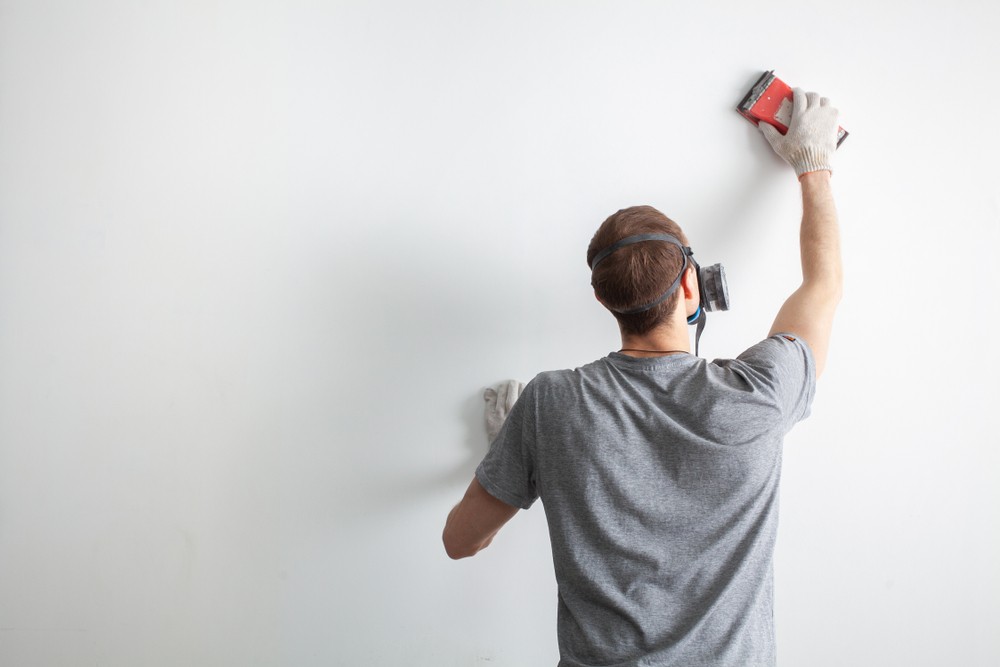
DIY can cut upfront costs and give you full control over timing and colors. But it also adds risk: uneven coverage, visible lap marks, messy cut lines, and longer timelines if you don’t hire professional painters. Prep is where most DIY jobs fall short, patching drywall, sanding glossy areas, caulking gaps, and stain-blocking spots take time and skill. Skipping those steps shortens paint life and makes touch-ups obvious.
Hiring professionals raises the initial price but delivers durable results. A good crew brings surface-prep standards, two-coat coverage where needed, correct sheen mapping (eggshell/satin on walls, semi-gloss on trim/doors), and clean masking/protection. You also get faster completion, a better touch-up profile, and a written scope or warranty for your paint job—important for resale value and long-term maintenance.
If you’re torn, consider a hybrid: let pros handle ceilings, stairwells, and trim (the high-skill areas), while you roll simpler walls. That balance can keep costs in check without compromising the finish quality you’ll live with every day.
At Rodriguez Painting Kansas, you can get in touch with our interior painting professionals for your home's painting project and get free estimates. Call now on 816-289-7239.
Conclusion
For a 1,500 sq. ft. interior, the cost to paint a house interior reflects three levers: scope, prep, and product. Start with your must-have spaces, specify walls vs. ceilings vs. trim, and select coatings that match how you live, especially in high-traffic areas, to get the estimated cost. Then compare apples to apples with written, line-item estimates.
Ready for a precise, line-item quote for your paint job?
Contact Rodriguez Painting Kansas or call 816-289-7239 to schedule a free in-home estimate.
FAQs
What’s a realistic budget to paint a 1,500 sq. ft. house interior, given the average cost of materials and labor?
For walls-only: ~$3,750–$4,875 at $2.50–$3.25/sq. ft.; add ceilings/trim and premium lines for $5,250–$9,000 depending on scope and prep, resulting in a fresh paint job that can enhance the overall aesthetic.
How do I lower costs without sacrificing quality?
Bundle rooms, limit extreme color changes, pick a durable, scrubbable finish, and schedule off-peak, but also consider if any special equipment is needed.
What impacts paint quantity the most?
Coverage and coats. Expect ~350–400 sq. ft./gallon per coat (walls), less for primers; color changes and porous surfaces push usage up.
Do pros charge by the room or by the square foot?
Both exist, but per-sq.-ft. pricing ($2–$6) is common for walls-only baselines; rooms with tall walls or detailed trim price higher.
Where do higher ranges come from online?
Aggregators that bundle ceilings/trim/repairs/premium paints into “whole-home” packages publish larger totals for 1,500 sq. ft.