
If you are planning to repaint a three bedroom home, you are probably trying to answer two questions at once. What is the real cost to paint interior of house, and what is the most realistic budget for the cost of painting interior of three bedroom house in Kansas.
The challenge is that interior painting is priced by scope, not by a single number. Two homes with the same bedroom count can land in very different totals depending on wall condition, ceiling height, paint quality, color changes, trim detail, and how much prep is needed.
This guide breaks the cost down in a way that helps homeowners plan with confidence. You will see realistic price ranges, room level estimates, and the exact factors that move your quote up or down, without stuffing the page with branding. When you are ready for a precise number, Rodriguez Painting Kansas can provide a line item scope that matches your home, your timeline, and your finish expectations.
What Counts as a Three Bedroom Interior Paint Project
A three bedroom interior paint project usually includes some mix of the following spaces.
• Three bedrooms
• Living room or family room
• Kitchen and dining area
• Hallways and entry areas
• One to two bathrooms
• Utility or laundry area
What is not always included is just as important. Many quotes separate ceilings, doors, trim, closets, and stairwells because they change time, materials, and detail work significantly.
That is why the cost of painting interior of three bedroom house is easiest to estimate when you define the scope clearly. Walls only is very different from walls plus ceilings plus trim.
Average Cost Ranges for a Three Bedroom House Interior
The painting cost by bedroom count, interior painting commonly falls into a few consistent pricing models: cost per square foot, cost per room, and hourly rates. Homeowners often see costs in the two to six dollars per square foot range depending on area, paint type, and square footage.
Similarly two to six dollars per square foot expectation for interior painting, emphasizing prep and local labor as key drivers.
A practical planning range for many three bedroom interiors ends up here when walls are included and ceilings and trim are optional add ons:
• Budget scope, walls only with minimal repairs: about two thousand five hundred to four thousand five hundred
• Mid scope, walls plus some ceilings or trim, moderate prep: about four thousand to seven thousand five hundred
• Higher scope, walls, ceilings, trim, doors, larger repairs, multiple colors: about seven thousand five hundred to twelve thousand or more
These totals are not a promise. They are a planning map that matches the ranges and drivers described by major cost references.
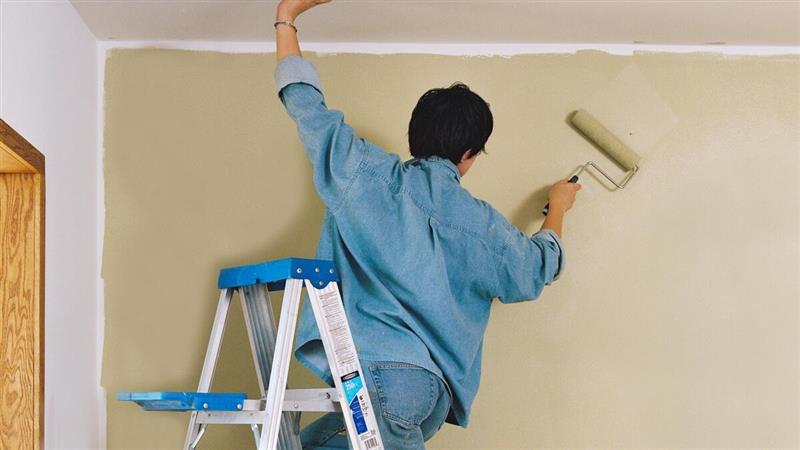
Cost to Paint Interior of House by Square Foot and by Room
Per square foot pricing, what it really means
Most sources describe interior pricing using the home footprint or floor space as a starting point, and then adjust for paintable surface area, wall height, and detail. Angi summarizes the common per square foot range and points out that prep and paint type are major variables.
For a three bedroom home, using per square foot is useful for planning, but you still need room context. A one thousand five hundred square foot three bedroom layout with normal ceilings will not price the same as a one thousand five hundred square foot home with vaulted ceilings, extensive trim, and dark to light color changes.
Room based pricing, why it helps for three bedroom homes
Room based ranges are often easier for homeowners because they match the way you see your house. Typical room costs and explains how wall height, trim, and ceiling inclusion change the total.
Room painting cost ranges that highlight how much the total changes when you include additional features and scope.
If you are estimating the cost of painting interior of three bedroom house, room based budgeting is often the clearest way to avoid surprises.
Factors That Change the Total Price
Square footage and ceiling height
Square footage matters, but ceiling height can matter just as much. Taller walls increase ladder work, cutting time, and paint usage. Open layouts can sometimes reduce cost per square foot because crews work faster with fewer stop and start edges.
Wall condition, prep, and repairs
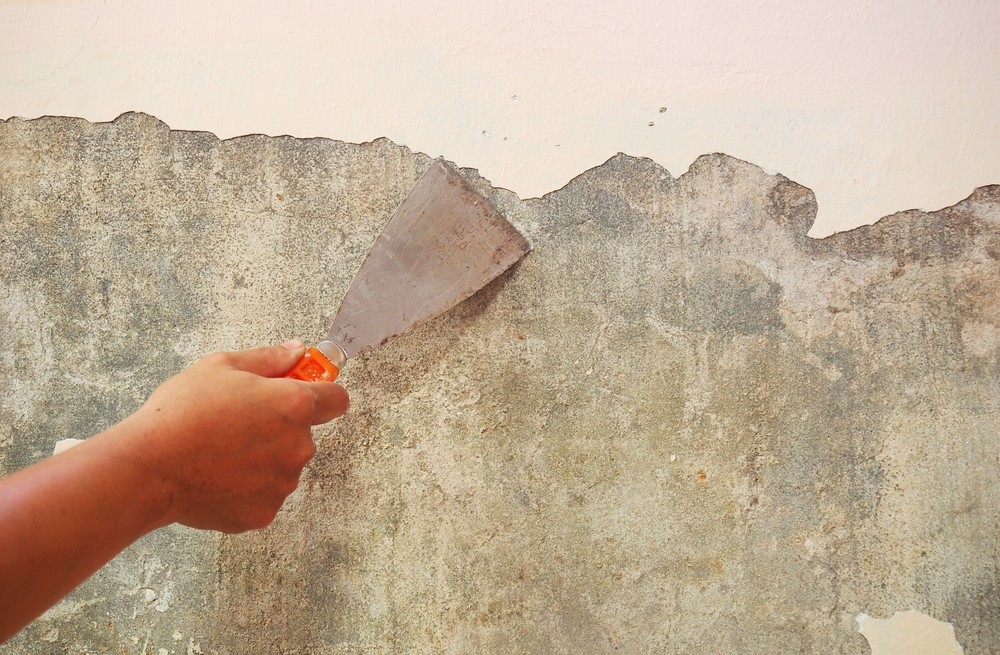
Prep is where quotes separate professional work from fast cover ups. Common prep items include patching nail pops, filling dents, sanding rough edges, caulking gaps, spot priming stains, and smoothing texture transitions.
Many pricing guides note that drywall repair and prep can materially increase the total when needed. Drywall repairs as an added cost category in their interior painting overview.
Paint quality and coverage
Paint quality changes cost in two ways. Higher grade paint costs more per gallon, but it can improve coverage, washability, and durability. Lower grade paint can require more coats, especially when you are changing colors, which increases both materials and labor.
Number of coats and color changes
If you are going from dark to light, or covering strong colors, you may need primer and extra coats. Extra coats raise cost because the labor time increases across every wall.
Trim, doors, and ceilings
Trim and doors are detailed work. They require more masking, cutting, and careful finish. Ceilings can also take time due to protection and overhead rolling.
Trim is often priced by linear foot or by total home trim scope. A trim molding painting cost range per linear foot, which helps explain why trim can change a budget quickly.
Access, furniture, and protection
Moving furniture, protecting floors, and masking built ins are part of a quality paint job. Homes that are fully furnished can require more protection time than empty properties.
Paint Quality, Sheen, and Finish Choices That Affect Cost
Paint finish is not just about appearance. It affects durability, cleanability, and how much wall texture shows through. For homeowners, this is one of the easiest ways to improve longevity without adding unnecessary scope.
Benjamin Moore explains sheen as the level of light reflectance and lists common sheens used indoors, from flat through high gloss.
Selecting sheens based on room function, durability needs, and moisture exposure, which is especially relevant for kitchens and bathrooms.
Practical guidance for many three bedroom homes looks like this:
• Bedrooms and living areas often use matte or eggshell for a soft look that hides minor imperfections
• Hallways and kids rooms often use eggshell or satin for better washability
• Kitchens and bathrooms often use satin or semi gloss for moisture resistance and easier cleaning
• Trim and doors often use semi gloss for durability and crisp lines
NLP terms used naturally here: paint finish, paint sheen, eggshell, satin, semi gloss, washable paint, scuff resistance, moisture resistance, low VOC paint, primer, stain blocking primer.
Prep Work and Repairs, Where Budgets Often Shift
If you want to control the cost to paint interior of house, prep planning is the best place to focus. Prep can be light or extensive, and that difference can move your total more than a paint upgrade.
Light prep often includes:
• Filling small nail holes
• Minor sanding
• Basic caulking in visible gaps
• Spot priming
Moderate prep may include:
• Patching dents and small cracks
• Repairing peeling areas
• Stain blocking in high risk spots
• Smoothing uneven texture transitions
Heavier prep may include:
• Water damage repair areas that must be sealed
• Larger drywall repair and retexturing
• Smoke staining issues that need specialty primers
• Glossy surface deglossing for adhesion
For homes built before nineteen seventy eight, lead safety can become a factor when paint is disturbed. Renovation, repair, and painting projects that disturb lead based paint in pre nineteen seventy eight homes may require lead safe practices by certified contractors under the RRP program.
This does not apply to every interior repaint, but it is important context for older homes and for any sanding or scraping that disturbs older layers.
Room by Room Cost Guide for a Typical Three Bedroom Layout
These ranges are planning estimates based on room level references and common pricing patterns published by major cost guides. Your final quote depends on ceiling height, wall condition, and scope inclusions.
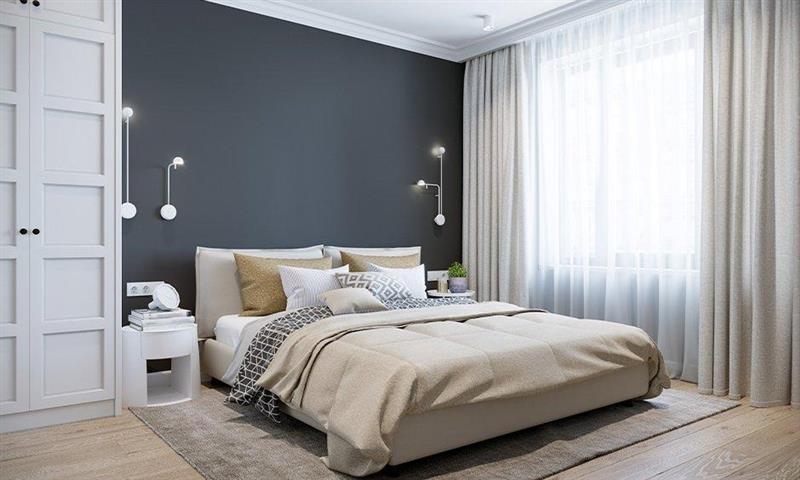
Three bedrooms
A standard bedroom repaint often falls into the range bedrooms, with variation based on whether you include ceiling and trim.
For a three bedroom home, a realistic planning approach is:
• Secondary bedrooms, walls only: several hundred each
• Primary bedroom, larger walls or more detail: higher than secondary bedrooms
• Add ons like ceilings and trim can push each room up noticeably
What changes these numbers most is the amount of furniture, the number of colors, and whether closets and doors are included.
Living room or family room
Living rooms can be more expensive because of wall height, open edges, and larger surface area. A living room range that shows how quickly cost can rise with size and ceiling height.
Kitchen and dining
Kitchens can require additional prep due to grease residue, especially near cooking areas. They also have more cutting around cabinets, backsplashes, and fixtures. That increases labor time even when the square footage looks small.
Hallways and entry areas
These areas often need a more durable finish because they take daily contact. Scuffs, hand marks, and touch ups are common in halls, so satin or washable eggshell is often chosen, which can affect product cost.
Bathrooms
Bathrooms may need moisture resistant paint. They also require careful cutting around mirrors, vanities, and ventilation.
Trim, Doors, and Ceilings, What They Add
Homeowners often underestimate how much these surfaces affect the cost of painting interior of three bedroom house.
Interior trim
Trim includes baseboards, window casings, door casings, and sometimes crown molding. Pricing is often discussed per linear foot or as a home total.
A per linear foot estimate range for painting trim molding, which helps explain why trim can add hundreds or thousands depending on how much trim your home has.
Doors
Doors add time due to sanding, cleaning, and smooth finish work. If you have many doors in a three bedroom home, door scope can move your total meaningfully.
Ceilings
Ceilings can be straightforward in a flat, normal height home, but they become more complex with vaulted areas, stairwells, or heavy patching. They also require more protection time to keep walls and floors clean.
Kansas Pricing Factors and Seasonal Timing
Kansas pricing is influenced by labor availability, local demand, and the season. While national guides discuss hourly charges and per square foot ranges broadly, local wage data provides context for why rates vary by market.
Kansas hourly pay estimates for interior painters. These are wages, not customer bill rates, but they help explain why Kansas can differ from high cost metro markets.
For homeowners, the practical message is simple. Kansas often sits in a moderate cost range, but your home specifics still decide where you land within the national per square foot bands.
Seasonality can also matter. Interior projects can be scheduled year round, and off peak periods can offer better availability.
DIY vs Professional Painting, Real Cost Comparison
DIY seems cheaper at first because you only see materials. But the real cost includes time, equipment, mistakes, and durability.
DIY costs typically include:
• Paint and primer
• Brushes, rollers, trays, drop cloths
• Tape, sanding sponges, patch material
• Ladders and safety tools
Professional costs include:
• Skilled labor and faster completion
• Surface prep standards that improve adhesion and durability
• Clean cut lines and consistent finish
• Protection and cleanup
• Correct product choice for each room type
Many cost guides emphasize that labor and prep are the majority of the cost, which is why professional work looks expensive but often lasts longer and reduces rework.
Maximizing Your Painting Investment
A three bedroom repaint is a significant home upgrade. The best return comes from choosing scope wisely, selecting the right finishes, and planning timing around your household routine.
Best Practices for Long Lasting Results
Quality prep pays for itself. Clean surfaces, proper patching, and targeted priming reduce peeling, flashing, and uneven sheen. When prep is done well, paint can stay attractive for many years in normal conditions.
Choose paint grades that match room use. Bedrooms can often use softer finishes, while hallways, kitchens, and kids rooms benefit from washable, scuff resistant products. Sheen selection guidance from major paint brands supports the idea that room function should guide finish choice.
Plan for light maintenance. Small touch ups in high contact areas keep your home looking fresh and can delay full repainting. This is especially useful in hallways and around door frames.
Consider climate and indoor moisture. Even in Kansas, bathrooms, laundry spaces, and kitchens benefit from moisture tolerant products and good ventilation. Satin and semi gloss are often recommended in moisture prone rooms because they handle cleaning better.
When to Schedule Your Project
Interior painting can be scheduled throughout the year. Many homeowners plan around school calendars, holidays, or real estate timelines.
Winter can offer more scheduling flexibility for interior work because exterior demand is lower in many regions. That can mean faster start dates.
Exterior work has a narrower weather window, but since this guide focuses on interiors, the main scheduling choice is your household convenience and contractor availability.
Avoid planning the busiest weeks when you need urgent turnaround. If you have a move in date or event, booking earlier helps protect quality and avoids rushed prep.
Common Pricing Mistakes to Avoid
Pricing mistakes often happen when homeowners compare quotes that are not scoped the same way.
Common issues include:
• One quote includes ceilings and another does not
• One quote includes trim and doors and another excludes them
• Prep is described vaguely, so repair expectations are not aligned
• Paint grade and number of coats are not specified
• Color changes and primer needs are not discussed upfront
If you want accurate comparisons, request a scope that lists surfaces, coats, prep level, and the paint system.
At Rodriguez Painting Kansas you can hire our professional painters for a quick scope review and timeline, or request a free estimate. Call us at 816-289-7239 and get a free quote today.
Conclusion
The cost to paint interior of house for a three bedroom layout depends on how much of the home is included, the condition of the surfaces, and the finish level you want. Walls only repainting can fall into a moderate range. Adding ceilings, trim, doors, and repairs can move the cost of painting interior of three bedroom house upward quickly.
If you want a budget that holds up, focus on scope clarity first. Decide what is included, choose finishes based on room use, and plan prep realistically. That approach gives you a more durable result and fewer surprises.
To go into the room-by-room pricing and options, refer article to Interior House Painting Costs Explained: What Affects Your Final Price, exploring what is the average cost to paint the interior of a house.
Ready to price your three bedroom repaint with a clear scope and realistic finish options?
Contact Rodriguez Painting Kansas or call at 816-289-7239 for a detailed interior painting quote.
FAQs
What is the average cost to paint interior of house for a three bedroom home?
Many homeowners fall within the common per square foot ranges cited by major cost guides, with totals varying based on scope, prep, and whether ceilings and trim are included.
How do I estimate the cost of painting interior of three bedroom house more accurately?
Start with rooms and scope. List the rooms, define whether ceilings, trim, doors, and closets are included, then account for repairs and the number of coats.
Is it cheaper to paint everything one color?
Often yes. Using fewer colors can reduce cutting time and simplifies paint management, especially in hallways and open areas.
Do I need primer for every room?
Not always. Primer is commonly used for stains, repairs, glossy surfaces, and major color changes. Spot priming is common when patching is minimal.
What paint finish is best for bedrooms and hallways?
Bedrooms often use matte or eggshell for a softer look. Hallways often benefit from more washable finishes such as eggshell or satin, especially in high traffic homes.