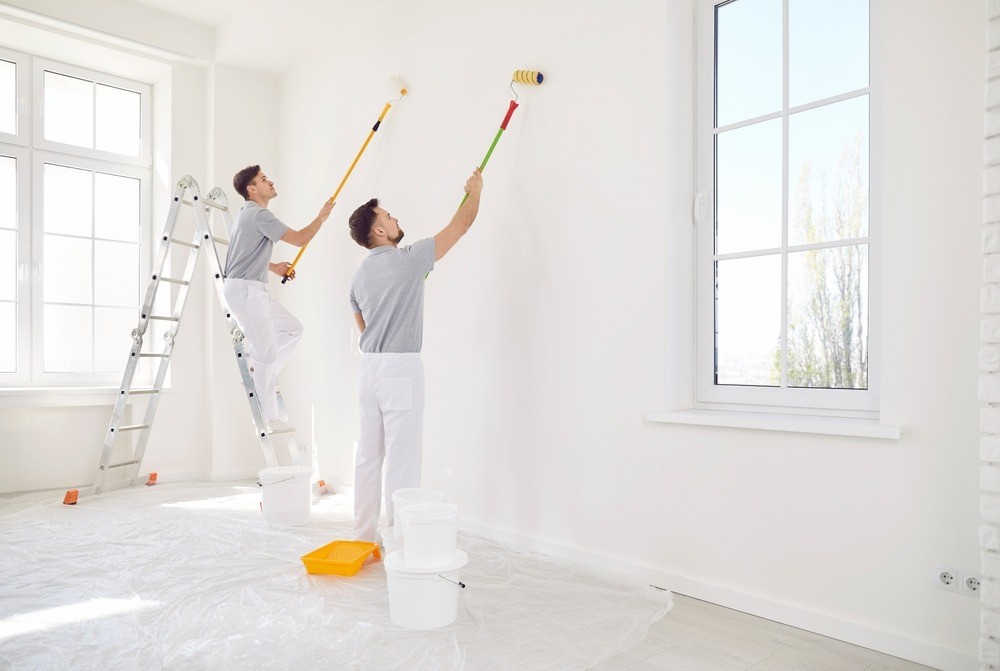
Homeowners often start with a simple question: what’s the estimated interior painting cost to paint the interior of a house for an interior painting project —especially around 3,000 sq. ft. with the estimated cost varying based on several factors? The short answer is that pricing depends on square footage, surface condition, paint system (primer + two-coat coverage), number of rooms/colors, and local labor rates. Regional differences (seasonality, demand, material pricing) can shift estimates up or down even for similarly sized homes.
This guide consolidates current market norms for interior painting cost by home size, explains price per square foot, shows how labor influences total cost, and provides a transparent room-by-room table so you can sanity-check multiple quotes and bids. It’s written for homeowners (not contractors) or professional painters, using plain language and real-world examples.
Why does understanding the costs matter?
A professional interior repaint refreshes the look of your home, protects surfaces from everyday wear, and can boost resale appeal; key factors include understanding scope and several key factors. Equally important: understanding scope. Many “low” quotes skip or minimize prep work and repair work (patching drywall, sanding glossy areas, caulking gaps, stain-blocking), which results in visible defects or premature failure. Good estimates clearly state what’s included (walls, ceilings, trim, doors), how many coats, and whether materials are low-VOC or premium.
Cost breakdown per sq. ft. for interior painting
For a typical house interior, current U.S. guides cluster around $2–$6 per sq. ft. for walls; adding ceilings and trim pushes the blended rate higher. Your final price depends on the ratio of wall area to floor area, ceiling heights, material costs, number of rooms, and finish level.
|
Area / Room Type |
Average Cost Range |
Cost per Sq. Ft. |
Notes |
|
Bedroom (10×12) |
$300 – $700 |
$2.50 – $4.00 |
Includes standard patching; add ceilings/trim as needed |
|
Living Room |
$600 – $1,200 |
$2.50 – $4.50 |
Higher for tall walls or large openings |
|
Kitchen |
$400 – $800 |
$3.00 – $5.00 |
Degreasing + stain-blocking often required |
|
Bathroom |
$200 – $500 |
$2.00 – $3.50 |
Moisture-resistant paints preferred |
|
Whole Home (1,500 sq. ft.) |
$2,500 – $4,000 |
$2.50 – $3.50 |
Walls only, average conditions |
According to HomeAdvisor’s latest data, the average interior painting project cost for the interior of a house breaks down to about $2–$6 per square foot, with the national project average around $2,022. Your local market and scope will ultimately set the overall price and final price, influenced also by material costs and labor.
What a 3,000 sq. ft. interior typically costs?
Below are realistic, round-number ranges homeowners often encounter when comparing quotes for 3,000 sq. ft. interiors. Ranges assume a standard repaint with primer where needed and two-coat coverage on walls.
-
To paint a house, walls only may cost $6,000–$12,000 (roughly $2.00–$4.00 per sq. ft. of floor area; effective wall area is higher than floor area, so many pros translate wall-area math back to per-floor-sq-ft benchmarks for easy comparison).
-
Walls + ceilings + trim/doors: $9,000–$14,000+ (adds masking, cutting-in, and more materials/time).
Where you could land within those ranges:
-
Lower end: newer construction, minimal repairs, standard 8–9 ft ceilings, few color changes.
-
Middle: typical mix of rooms including dining rooms, light wall repair, a couple accent walls, standard ceilings.
-
Higher end: tall/2-story spaces, significant repairs, and high ceilings, surface repair many colors, detailed trim packages, doors, built-ins.
10 factors that change the total cost of paint
A homeowner’s guide to realistic budgets, price per sq. ft., and the 10 real-world factors that drive interior painting estimates for a 3,000 sq. ft. home.
-
Square Footage & Volume
The bigger the home, the more wall/ceiling surface area and linear feet of trim and doors—which directly drives labor hours and materials. While many estimates use price per sq. ft. as a shorthand, painters actually calculate the paintable area (including height, stairwells, and room count). Large open plans and multi-room color schemes also add setup time (masking, cutting-in, moving ladders), which nudges the final number upward.
-
Wall Condition & Prep
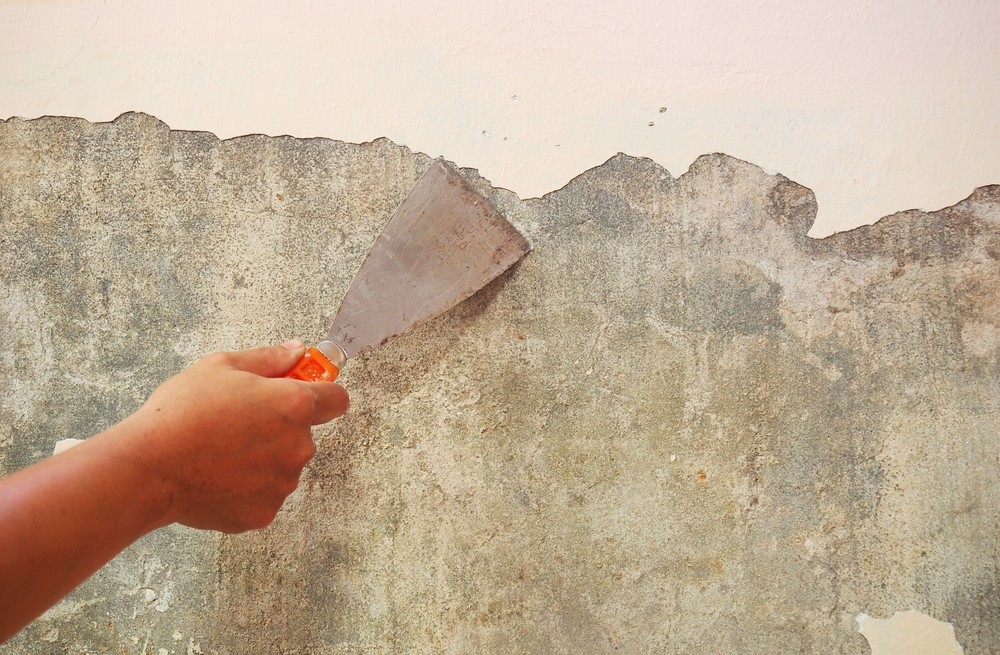
Prep work is the invisible cost center that protects your finish: patching drywall, fixing nail pops, sanding, de-glossing, caulking, and stain-blocking where needed. Homes with scuffs, hairline cracks, or prior paint failure will require more prep and potentially primer, adding time and materials. Skipping prep invites flashing, poor adhesion, and early wear—so good estimates spell out the prep scope clearly.
-
Ceiling Height & Access
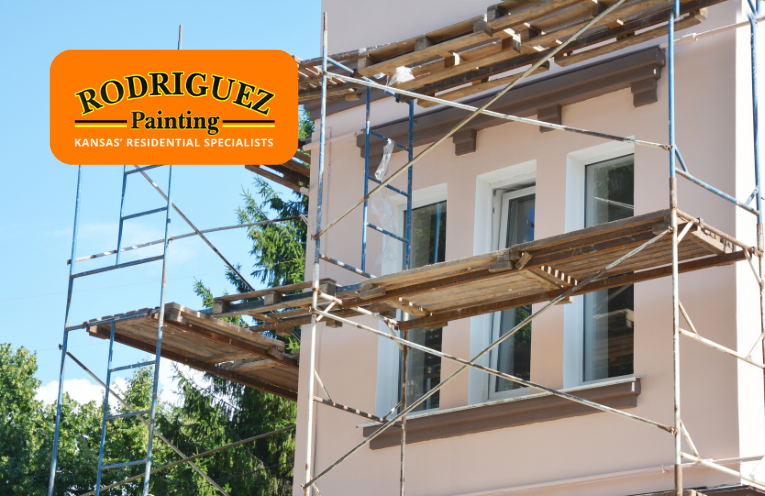
Two-story foyers, tall great rooms, and staircases require ladders/scaffolding, extra protection, and more careful cutting-in—raising labor hours and safety setup. Even standard rooms with 9–10 ft ceilings take longer than 8-ft rooms. When access is tight or the home is fully furnished, expect more masking and floor protection time, too.
-
Trim/Doors Complexity
Detailed crown molding, wainscoting, window grids, and multi-panel doors demand precision, steady cutting-in, and extra dry time between coats—especially with enamel paint or semi-gloss or high-durability enamels that reveal imperfections. The more linear feet of trim and number of doors, the more hours and materials—so trim packages are a major driver in whole-home pricing.
-
Paint System & Brand
Premium, eco-friendly low-VOC/zero-VOC lines and premium paints cost more but deliver better coverage, washability, and color retention—often reducing repaints over time. Certain color changes require tinted primer and two-coat coverage minimum. If you upgrade to scuff-resistant or specialty coatings (kitchen/bath moisture resistance), expect a higher materials line and sometimes more meticulous application.
-
Number of Colors & Accent Walls
Each additional color adds setup, labeling, and cutting-in. Accent walls—especially deep or bold hues—may need more paint and an extra coat to achieve an even, saturated finish. If you’re repainting many rooms with distinct palettes, the cumulative time for switching paints, protecting adjacent surfaces, and achieving consistent edges will increase the total.
-
Sheen Selection
Matte/flat hides minor flaws but isn’t as washable. Eggshell and satin improve washability for living areas and kids’ rooms, while semi-gloss is standard for trim/doors. Higher sheens highlight surface imperfections, so the crew must invest more prep time (filling, sanding, smoothing) to get that crisp, glassy look—slightly elevating labor costs.
-
Occupied vs. Vacant
Painting an occupied home involves moving furniture and covering furniture, using drop cloths for protection, daily cleanup, and working around family schedules or pets—extending timelines. A vacant house allows uninterrupted workflow, faster room sequencing, and fewer protection steps. If you can consolidate rooms or provide clear access, you’ll trim hours and reduce logistical friction.
-
Scheduling & Seasonality
During peak seasons, crews book out quickly, and short-notice projects may carry premiums. Off-season windows can offer more flexible scheduling and sometimes better pricing. If your timeline is tight or requires evenings/weekends, consider hiring professional painters as you can expect labor efficiency to dip and cost per sq. ft. to rise modestly due to overtime or staging constraints.
-
Regional Labor & Material Pricing
Local labor rates, paint pricing, and distribution affect the bottom line. Markets with higher wages, longer drive times, or limited product availability can increase totals. Even within the same state, metro vs. suburban differences show up in quotes. This is why it’s smart to compare apples to apples (same surfaces, coats, and products) when reviewing multiple bids.
How labor drives the estimate?
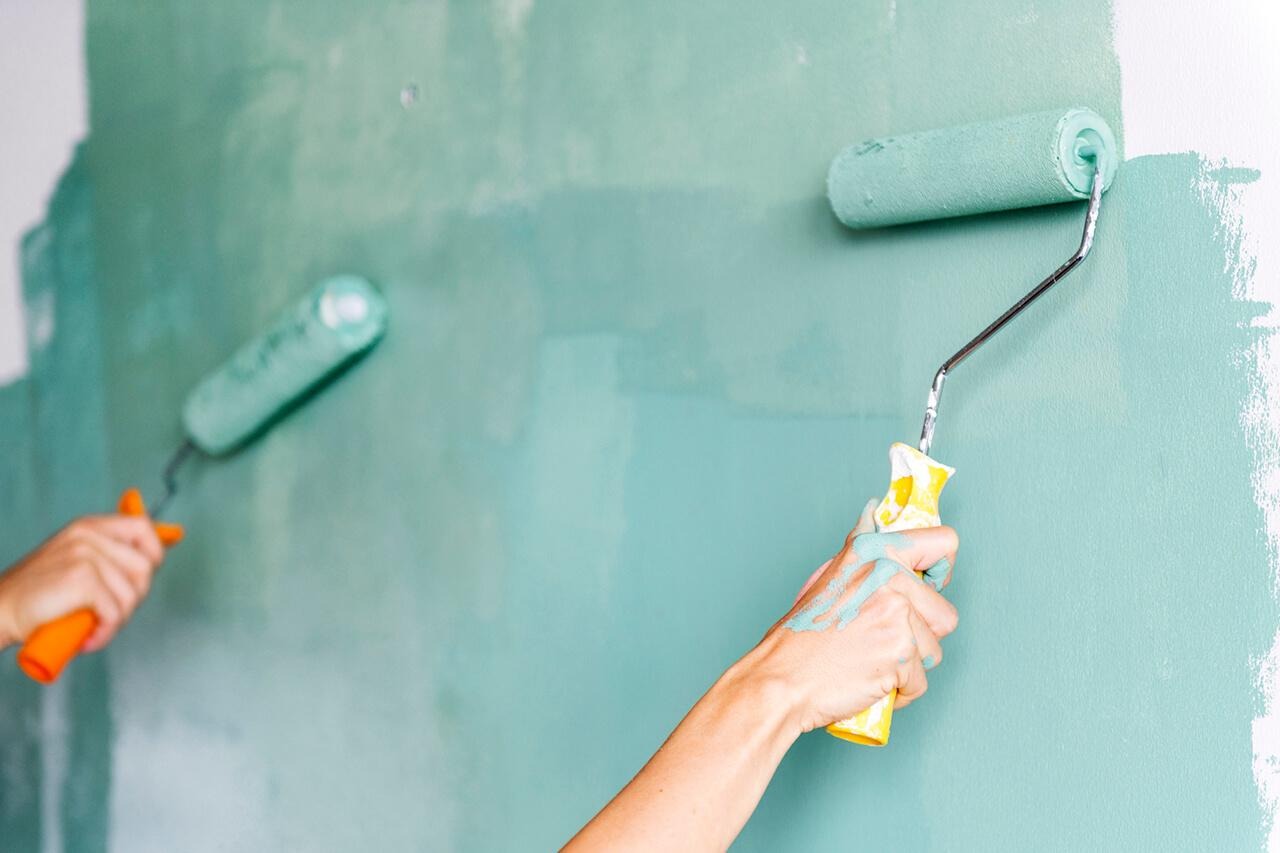
Labor typically makes up 60–70% of an interior paint estimate. For mid-sized markets, many homeowners see effective labor rates that translate to the $2–$6 per sq. ft. band for multiple coats (walls) once prep and coatings are included. Large, detailed homes often involve lead + helper crews or multiple painters to compress timelines and maintain finish quality.
What affects labor hours the most:
-
Prep intensity (filling, sanding, caulking, priming, masking)
-
Access (staircases, tall foyers, moving/covering furniture)
-
Detail work (built-ins, window grids, trim profiles)
-
Color complexity (multiple colors, accent walls, dark-to-light transitions)
Tip: Ask bidders to outline tasks (prep, coats, areas) and list exclusions (e.g., closets, pantries, laundry rooms, inside cabinets).
Materials & finishes: making sense of paint choices
-
Low-VOC / zero-VOC paints improve indoor air quality—helpful for occupied homes and quick re-entry, while oil-based paint may not offer the same benefits.
-
Finish selection impacts both look and durability:
-
Matte/Flat: hides minor wall flaws; least washable.
-
Eggshell: homeowner favorite for balance of look + cleanability.
-
Satin: more scrubbable for kitchens, dens, kids’ rooms.
-
Semi-gloss: common for trim/doors; reveals defects—prep must be crisp.
-
Primer matters when switching from dark to light, blocking stains, or painting fresh drywall.
-
Color consultation can save time/money by getting the palette right before painting starts.
Local considerations
Even if you’re not in a “hot market,” local dynamics vary depending on various factors, including how much does it cost to paint the interior of a house:
-
Seasonal demand: Peak booking periods can nudge prices up; off-season can offer scheduling flexibility.
-
Humidity & temperature: Affect dry time and product selection (some products like lower paint quality cure better in controlled indoor temps).
-
Regional wages & materials: Both impact the final number—especially for large homes with many rooms or tall spaces.
Planning a 3,000 sq. ft. project: a quick blueprint
A clear plan, scope, colors, prep, access, apples-to-apples bids, smart scheduling, and a final walkthrough, keeps your fresh coat on budget, on schedule, and looking flawless.
Scope it
Decide precisely what’s included: walls only or walls + ceilings + trim/doors (and which rooms/areas). Spell out closets, stairwells, hallways, built-ins, and any accent walls so every bidder prices the same scope. Clear scope prevents “surprise” add-ons and helps you compare estimates apples-to-apples, especially when labor, masking, and two-coat coverage are involved.
Color plan
Finalize your palette before scheduling. Note the number of colors, where accent walls go, and any dark-to-light changes (these often require tinted primer or an extra coat). Locking colors early saves time and reduces change orders. Ask for basic color consultation if you’re undecided—one strategic neutral plus a few accents can keep costs predictable and results cohesive.
Prep checklist
Walk each room and list repairs: nail pops, small holes, cracked corners, stains, glossy areas that need de-glossing, and any caulking or seam work. Proper surface preparation (patching drywall, sanding, priming, stain-blocking) is crucial, as using cheap paint can undermine the biggest driver of finish quality and durability. Make sure your estimate clearly states which prep tasks are included so you’re not paying twice.
Access plan
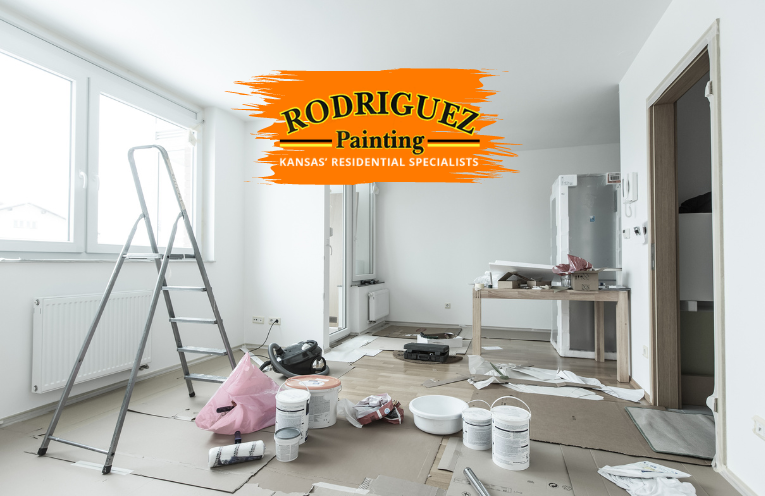
Decide how furniture will be handled (moved/covered) and identify access challenges like tall foyers, staircases, or vaulted ceilings. These affect setup (ladders/scaffolds), safety, and day-to-day sequencing in an occupied home. Good access planning protects floors, reduces disruption, and keeps the crew efficient—shortening the timeline and keeping costs aligned with the bid.
Compare apples to apples
Request line-item estimates list surfaces (walls/ceilings/trim/doors), number of coats, paint brand/line (e.g., low-VOC), and prep level. If one bid is cheaper, check whether it quietly excludes ceilings, trims, closet interiors, or primer. Consistent formatting across bids makes the price per sq. ft. and overall value obvious—and helps you spot shortcuts.
Schedule smartly
Choose a block of time when rooms can be rotated logically (kids’ rooms, office, high-traffic areas). Consider off-season windows for better availability and potential savings. Confirm crew size, estimated dry time, and daily start/stop hours so you can plan around noise, odors (reduced with low-VOC paints), and room access. A clear schedule keeps the project on track.
Final walkthrough
Before calling it done, do a slow, detailed walkthrough in natural light. Create a simple punch list for touch-ups: missed spots, light roller lines, tiny dings that showed after drying, trim edges that need refining. Confirm cleanup (masking removed, floors vacuumed, outlet covers reinstalled) and ask about warranty and recommended touch-up procedures for future nicks or smudges.
Budgeting tips for a 3,000 sq. ft. interior painting costs
-
Bundle multiple rooms under one contract for better per-room economics.
-
Choose washable finishes (eggshell/satin) to reduce long-term maintenance.
-
Consider off-season scheduling for potential savings.
-
Request a written scope so you’re not surprised by add-ons.
-
Get two to three comparable estimates—same scope, same coatings, same number of coats.
Room-by-room vs. per-sq-ft: which pricing method is better?
Both can work—per-sq-ft simplifies apples-to-apples comparisons, but room-based pricing captures complexity (e.g., a powder room vs. a two-story great room). If you receive different formats, ask each bidder to list:
-
How many coats are included
-
Which surfaces (walls/ceilings/trim/doors)
-
Colors included and the cost to add colors
-
Repairs (light patching vs. significant drywall repair)
-
Materials (brand/line, low-VOC, finish)
If you’re comparing bids in Kansas, a local pro like Rodriguez Painting Kansas can walk your space, assess prep or repairs, and provide a line-item estimate with clear inclusions—helpful for large homes around 3,000 sq. ft. without heavy branding in your content. Call us today at 816-289-7239 for a free quote.
Conclusion
The overall cost to paint a house interior depends on size, surfaces, prep, finishes, interior painting cost and local labor/material rates. For a 3,000 sq. ft. home, expect $6,000–$12,000 for walls and $9,000–$14,000+ when ceilings and trim are included, with final price set by prep intensity, access, color complexity, and schedule. For your home's painting project, plan your scope, finalize colors, prioritize prep, and compare apples-to-apples scopes to get a long-lasting, beautiful result.
Ready to refresh your home with a fresh paint job?
Contact Rodriguez Painting Kansas or call at 816-289-7239 for a free, no-obligation interior painting estimate in your area.
FAQs
How much does it cost to paint a 3,000 sq. ft. home interior?
Most homeowners see $6,000–$12,000 for walls only, and $9,000–$14,000+ when ceilings and trim/doors are included. Your scope and local market set the final number.
What is the typical price per sq. ft. for interior painting?
A common range is $2–$6 per sq. ft. for walls in various interior projects; ceilings/trim increase the total.
How long does a whole-home interior repaint take?
A 3,000 sq. ft. home might take 4–7 working days for a properly staffed crew, depending on prep, color changes, and access.
Which paint finish is best for living areas?
Eggshell is a top pick for a soft look and easy cleaning; satin adds durability for high-traffic spaces.
Is low-VOC paint worth it?
Yes—especially for occupied homes. Lower odor and faster re-entry are helpful; many premium lines are now low-VOC by default.
How do I compare bids fairly?
Insist on a written scope (surfaces, coats, brand/line, colors, prep level) so each estimate covers the same work.