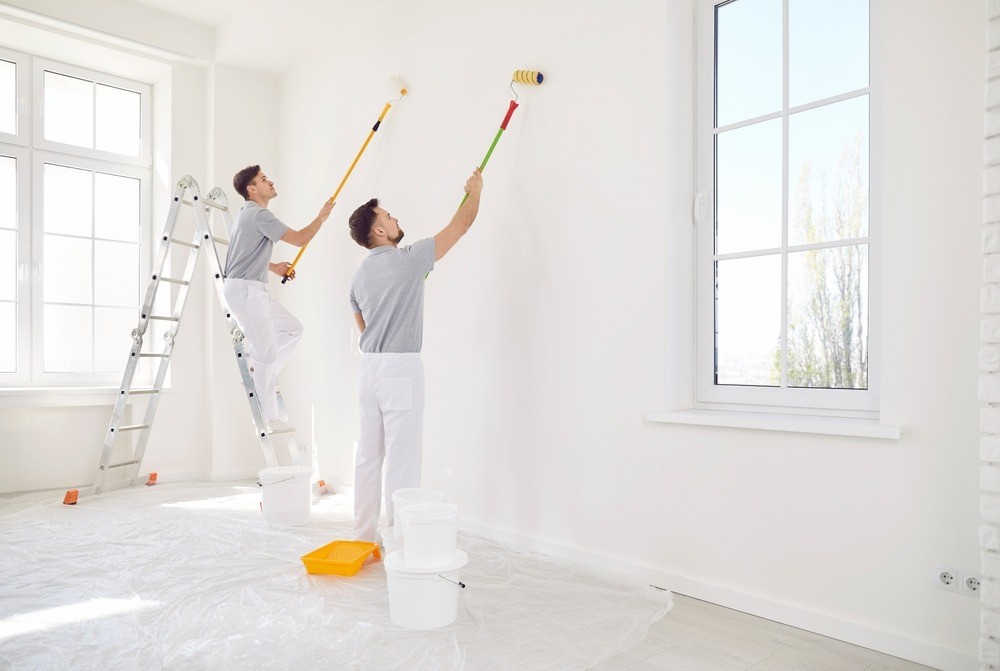
A 4 bedroom interior paint job looks simple on paper. Pick colors, buy paint, roll the walls, done. In real life, the decision comes down to one thing. Value.
Not just the invoice today. The value of how long the finish lasts, how the home feels afterward, how much time you lose, and whether you end up paying twice because the first coat did not hold up.
This guide breaks down the real cost to paint interior of house for a typical 4 bedroom home, what you actually get when you hire a professional, and when DIY can still make sense. It is written for homeowners who want a clear, honest answer, not a sales pitch.
You will also see practical pricing ranges tied to current industry data and how those numbers translate into the average cost to paint interior 4 bedroom house.
To go into the room-by-room pricing and options, refer article to Interior House Painting Costs Explained: What Affects Your Final Price, exploring what is the average cost to paint the interior of a house.
The Real Cost to Paint a 4 Bedroom House Interior
Most homeowners start with the same question. What is the average cost to paint interior 4 bedroom house?
There is no perfect universal number because houses vary. Ceiling height varies. Trim detail varies. Wall condition varies. Paint quality varies.
Still, you can build a realistic range using current per square foot and project averages reported across multiple industry sources.
Current national cost benchmarks you can use
Several widely cited sources place interior painting in a broad per square foot range.
HomeAdvisor reports an average interior painting cost around $2,022 and a typical per square foot range of about $2 to $6 and notes that square footage, room type, and prep work drive the final price.
A range of about $1 to $4 per square foot of floor space as a typical way to estimate total cost. $2 to $6 per square foot with an average around $3.30 per square foot.
A higher full service type approach in some cases, noting that costs can be calculated per floor space with a broader range depending on what is included.
National data and ranges, and often breaks cost into rooms and typical homeowner spending.
Translating that into a 4 bedroom interior estimate
A common 4 bedroom home might be around 1,800 to 2,600 square feet of floor space. Some are smaller. Some are larger.
If you use the widely cited $2 to $6 per square foot range, you land roughly here:
• 1,800 square feet walls only estimate: about $3,600 to $10,800
• 2,400 square feet walls only estimate: about $4,800 to $14,400
• 2,600 square feet walls only estimate: about $5,200 to $15,600
Those are wide ranges because they mix basic repaint projects with full prep, trim, ceilings, multi color plans, and premium finishes.
A more realistic middle band for many standard repaints ends up closer to $3 to $4.50 per square foot, especially when prep is moderate and you are doing a consistent color plan.
That gives a practical working range of:
• 1,800 square feet: about $5,400 to $8,100
• 2,400 square feet: about $7,200 to $10,800
• 2,600 square feet: about $7,800 to $11,700
This is a strong starting point for the average cost to paint interior 4 bedroom house.
Now you need to adjust based on what is included.
Room based reality check
Fixr offers room cost examples and shows how walls only vs full room painting can change totals.
Many guides provides room cost guidance, which is useful because homeowners often paint bedrooms, living areas, and hallways together. In many 4 bedroom homes, the cost is heavily influenced by the shared spaces.
Living room, hallways, stairwell, kitchen, and dining area often cost more than a single bedroom due to wall height, openings, and cut in time.
What Changes the Price the Most
If two homeowners have the same size 4 bedroom house, they can still get very different quotes.
Here is why.
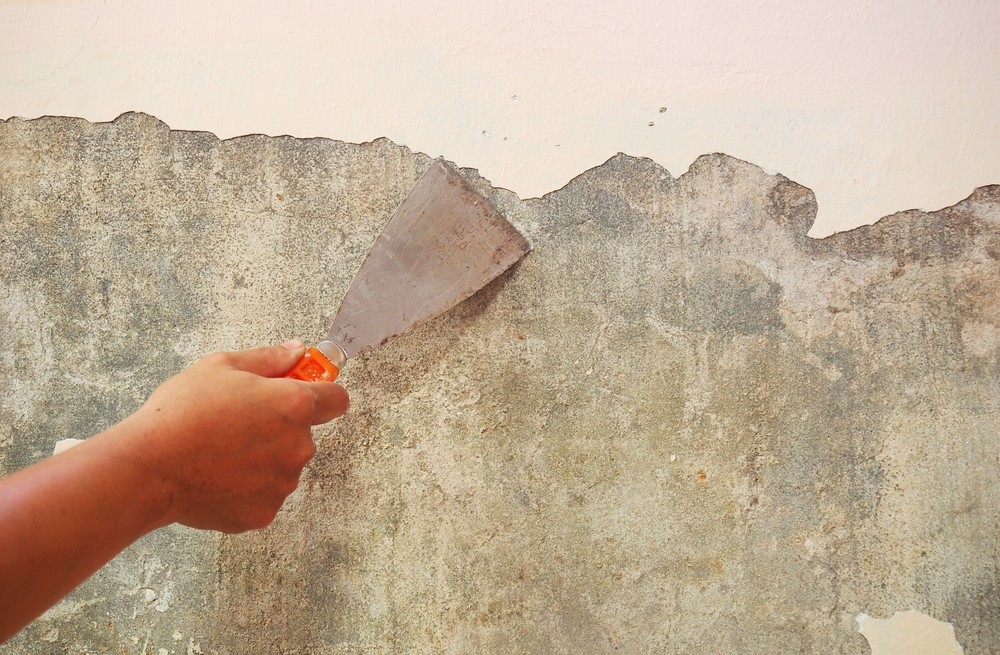
Wall condition and prep work
Prep work is where most DIY paint jobs fail.
Not because people cannot roll paint, but because surface prep is tedious and easy to underestimate.
Prep includes:
• Cleaning
• Deglossing glossy walls
• Patching drywall dents and nail pops
• Caulking gaps
• Sanding repairs smooth
• Spot priming
• Stain blocking for water marks or smoke marks
Sources consistently emphasize prep work as a major cost driver.
If your home has heavy patching needs, the cost to paint interior of house increases, but the finish also lasts longer.
Ceilings, trim, baseboards, and doors
Many homeowners assume walls are the whole job. Walls are only one part.
Trim and doors can take a surprising amount of time because it is detailed work. Sources notes woodwork and ceilings add to cost.
Scenarios where the cost per floor space reflects priming, sealing, and materials for a more complete scope.
If you want a full refresh, include:
• Walls
• Ceilings
• Baseboards
• Door frames
• Interior doors
That will push you toward the upper end of the average cost to paint interior 4 bedroom house range.
Number of coats and color change complexity
If you are moving from beige to beige, life is easier. If you are moving from dark to light, or using bold accent walls, you may need additional coats and primer.
Paint quality and finish selection
Paint is not just paint. Some paints cover better. Some wash better. Some resist scuffs.
Higher quality paint usually means better coverage and longer durability, which matters in kids rooms, hallways, and high traffic areas. A lower cost paint may require more coats. That increases labor and time.
Local labor rates in Kansas
Kansas pricing often tracks within national ranges, but local labor costs still matter. Some areas have higher demand. Some have lower.
Project pricing depends on square footage and other factors that vary by location. If you want accuracy, you need a quote that matches your city, home layout, and wall condition.
What Professionals Do Differently
To decide if hiring a pro is worth it, you need to understand what you are buying. You are not only buying paint on walls. You are buying process.
A professional scope is usually clearer
A professional quote typically outlines:
• What rooms are included
• What surfaces are included
• How much patching is included
• Whether primer is included
• How many coats are included
• What paint grade is used
• How floors and furniture are protected
• Cleanup standards
When scopes are clear, you can compare bids fairly.
This is where many homeowners save money long term, because surprises become rare.
Surface prep standards
Professionals spend a large portion of the project time on prep. This includes sanding repairs to avoid flashing, feathering patch edges, and ensuring adhesion.
Other sources outlines steps like assessing wall condition, preparing surfaces, applying primer and paint, then cleanup.
This process is the difference between paint that lasts and paint that starts peeling in a couple of years.
Consistent cut lines and finish quality
Cutting in around trim, ceiling edges, corners, and outlets is where many DIY projects look messy.
A pro finish often looks smoother because the technique is consistent across rooms. That matters in a 4 bedroom home, where you have many corners, doors, and transitions.
Project speed and efficiency
A homeowner painting nights and weekends might take several weeks. A professional crew can often complete the same scope in days, depending on size and prep.
DIY Costs That Get Overlooked
DIY can be a good option in some situations.
But you should compare total cost honestly, not just paint gallons.
Materials add up fast
DIY materials often include:
• Paint
• Primer
• Brushes
• Rollers
• Extension poles
• Roller covers
• Drop cloths
• Plastic and tape
• Sandpaper
• Spackle and patch kits
• Caulk
• Paint trays
• Cleaning supplies
Time is a real cost
Time is not free. Painting a 4 bedroom home interior is a large project.
If you have a busy household, kids, or work travel, delays are common. If you value your weekends, hiring a pro can be worth it for that reason alone.
Risk of redoing work
The most expensive DIY paint job is the one you have to redo.
Common DIY issues include:
• Uneven sheen
• Lap marks
• Paint bleeding through without primer
• Poor adhesion on glossy walls
• Drips on trim
• Paint on ceilings or floors
• Visible patch edges
Fixing those issues often requires sanding and repainting. That costs more than doing it right once.
Quality and Durability Differences
This is where the value decision becomes clearer.
Paint life depends on prep and product
A professional job tends to last longer because:
• Surfaces are prepared
• Primer is used when needed
• The right paint type is selected for each space
• Coats are applied consistently
If the paint lasts longer, the total cost per year of use can be lower, even if the upfront cost is higher.
High traffic rooms matter most in a 4 bedroom home
A 4 bedroom home often has:
• Hallways
• Stairwells
• Shared living room
• Kitchen traffic
• Kids bedrooms
These rooms take abuse. That is where professional prep and durable finishes have the biggest payoff.
Time, Stress, and Disruption Comparison
Homeowners often underestimate how disruptive painting can be.
DIY disruption lasts longer
DIY means:
• Furniture moved multiple times
• Rooms out of use longer
• Daily cleanup and setup
• Drying time management
• Kids and pets around open paint
Professional projects are shorter and more contained
A pro crew typically protects floors and furniture, paints efficiently, then cleans up fully.
That containment is often worth paying for, especially in occupied homes.
Safety and Prep Concerns
Interior painting seems low risk, but some areas require caution.
Stairwells and high ceilings
Stairwells are one of the hardest areas for DIY.
They require ladder stability and safe positioning.
If your 4 bedroom home has tall entryways, it can be safer to hire professionals.
Older homes and unknown wall issues
If a home is older, there may be hidden issues like prior water damage or patch layers.
A professional can identify problems early so you do not paint over damage.
How to Decide if a Professional Is Worth It
There are times when hiring a pro is absolutely worth it.
There are also times when DIY is reasonable.
Hiring a pro is usually worth it when
• You want the whole interior done consistently
• You have multiple colors or major color changes
• Your walls need repair work
• You have high ceilings or stairwells
• You care about clean cut lines and uniform finish
• You want the project done quickly
• You want less disruption at home
These factors often push homeowners toward a professional, even if the initial cost to paint interior of house is higher.
DIY can make sense when
• You are painting one or two rooms, not the whole home
• Walls are in good shape with minimal patching
• You are staying close to the existing color
• You already own tools and prep supplies
• You have time and patience
• You are comfortable with ladder work
If you choose DIY, treat prep as the main job, not the side job.
Pricing Scenarios for a 4 Bedroom House Interior
Below are realistic scenarios based on the ranges cited across major cost guides and room estimates.
Scenario 1 basic refresh walls only
Good wall condition. Same color family. Minimal repairs.
Likely range. $2 to $4 per square foot of floor space for some markets, and $2 to $6 as a broader national range.
For a 2,000 square foot 4 bedroom home, that can land around, $4,000 to $8,000 for walls only.
Scenario 2 standard repaint with moderate prep
Some patching. Some trim. Two coat coverage in key rooms. Likely range. $3 to $4.50 per square foot in many practical estimates, still within the cited national bands.
For a 2,400 square foot home. $7,200 to $10,800.
Scenario 3 full scope walls ceilings trim and doors
Significant trim work. Doors included. Ceilings included. Color change.
This can land in higher total bands, and some sources show higher per floor space pricing when full scope labor and materials are included.
For many homes, this can exceed, $10,000 and up depending on scope.
Maximizing Your Painting Investment
A 4 bedroom interior repaint is a major project. If you are spending thousands, you want the result to last.
These best practices help protect your investment and reduce the odds of repainting sooner than expected.
Best Practices for Long Lasting Results
-
Invest in quality preparation.
-
Prep work has an outsized impact on durability.
-
Clean surfaces, correct repairs, and proper primer use improve adhesion and reduce peeling and flashing.
-
Choose appropriate paint grades.
-
Match paint quality to how a room is used.
-
High traffic spaces benefit from scrub resistant finishes and washable paint systems.
-
Lower traffic rooms may not need the same grade, which can help balance the budget.
-
Plan for regular maintenance.
-
Small touch ups every 2 to 3 years can keep walls looking fresh.
-
This prevents scuffs and chips from turning into full room repaints.
-
Consider climate factors.
Kansas weather shifts and indoor humidity changes can still affect how paint cures and wears.
Bathrooms, laundry rooms, and kitchens benefit from moisture resistant formulations and durable sheens.
When to Schedule Your Project in Kansas
Timing influences price and convenience.
It can also influence how smoothly the project runs in an occupied home.
Interior painting timing
Interior painting can be scheduled year round.
Winter often has better availability and sometimes better pricing because demand is lower.
Avoid peak heat months
Extreme summer heat can affect worker efficiency and drying behavior.
If your home will be busy with travel or kids at home, scheduling outside peak disruption windows can also reduce stress.
Choosing a Contractor Without Overpaying
Hiring a professional is worth it only if you hire the right one.
Here is how to protect your budget:
-
Ask for a detailed written scope.
-
Make sure coats, primer, prep, and included surfaces are clear.
-
Compare bids based on the same scope.
-
A cheap quote that excludes trim or repairs is not actually cheaper.
-
Ask what paint line is being used.
-
Paint grade affects durability and washability.
-
Clarify protection and cleanup.
-
Floor protection, furniture covering, and cleanup should be defined.
At Rodriguez Painting Kansas you can hire our professional painters for a quick scope review and timeline, or request a free estimate. Call us at 816-289-7239 and get a free quote today.
Conclusion
So is it worth hiring a professional to paint a 4 bedroom house interior. For many homeowners, yes.
Not because DIY is impossible, but because a professional job usually delivers better prep, cleaner finish, faster completion, and a longer lasting result.
When you compare the real painting cost by bedroom count, including your time, tools, materials, and the risk of repainting sooner, the value becomes easier to see.
If you want a finish that holds up across bedrooms, hallways, and shared spaces, and you want the project done with minimal disruption, hiring a professional is often the smarter long term choice.
To go into the room-by-room pricing and options, refer article to Interior House Painting Costs Explained: What Affects Your Final Price, exploring what is the average cost to paint the interior of a house.
For an exact estimate for your home, contact Rodriguez Painting Kansas using or call at 816-289-7239 and request a written, room by room scope with prep and coats included.
FAQs
What is the cost to paint interior of house for a 4 bedroom home?
Most current industry sources place interior painting in a broad range, often around $2 to $6 per square foot depending on scope and location. A typical 4 bedroom home might land between roughly $5,000 and $12,000 depending on square footage, prep, ceilings, trim, doors, and number of coats.
What is the average cost to paint interior 4 bedroom house if I include ceilings and trim?
Adding ceilings, trim, and doors increases labor and detail work. Full scope projects often move toward the higher end of per square foot ranges, and some pricing approaches calculate cost per floor space when full materials and labor are included.
Does DIY really save money?
DIY can save money if walls are in good condition and you already have supplies. But materials, tools, and time add up, and redo risk is real.
How long does it take to paint a 4 bedroom home interior?
DIY can take weeks because you work around life. Professional crews often complete the same scope in days, depending on prep needs and house size.
What paint finish is best for a 4 bedroom house interior?
Many homeowners use eggshell or satin for walls because they balance appearance and washability. Trim often uses a more durable finish. The best choice depends on traffic and cleaning needs.