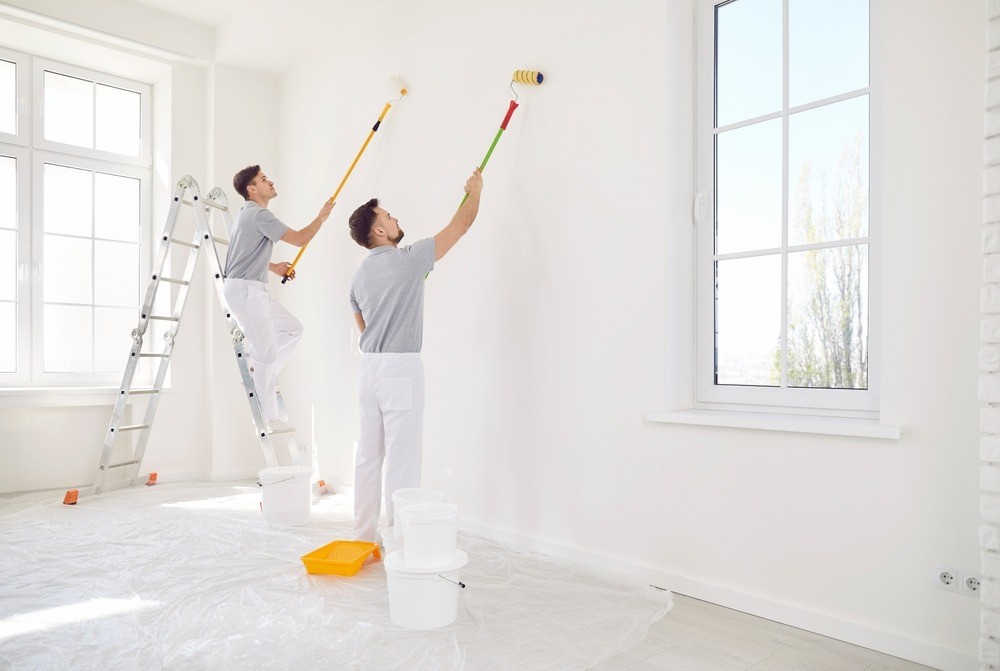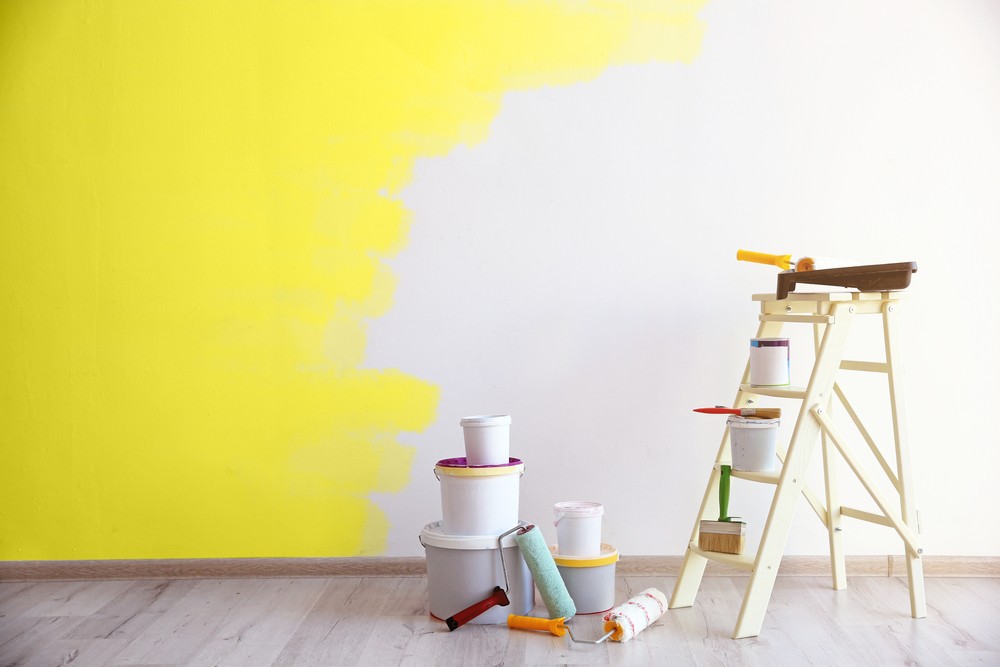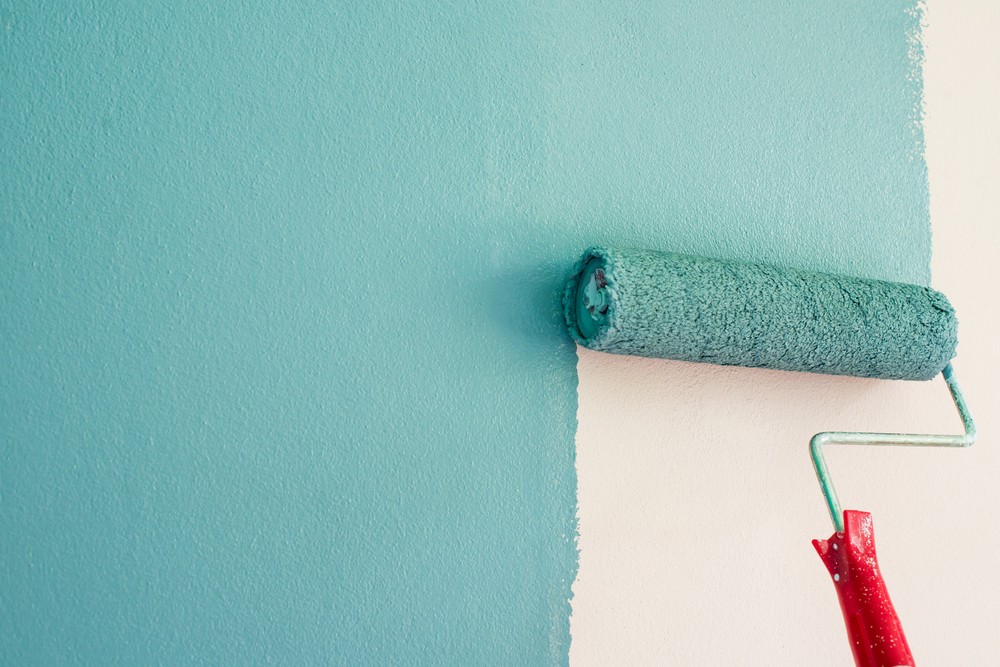

Homeowners often ask, how much does it cost to paint the interior of a house? Understanding the estimated cost is essential. Online estimates vary a lot. Some include ceilings, trim, and baseboards, while others focus only on walls. Some calculations include two coats of paint. Others skip surface prep, like patching, sanding, caulking, or primer.
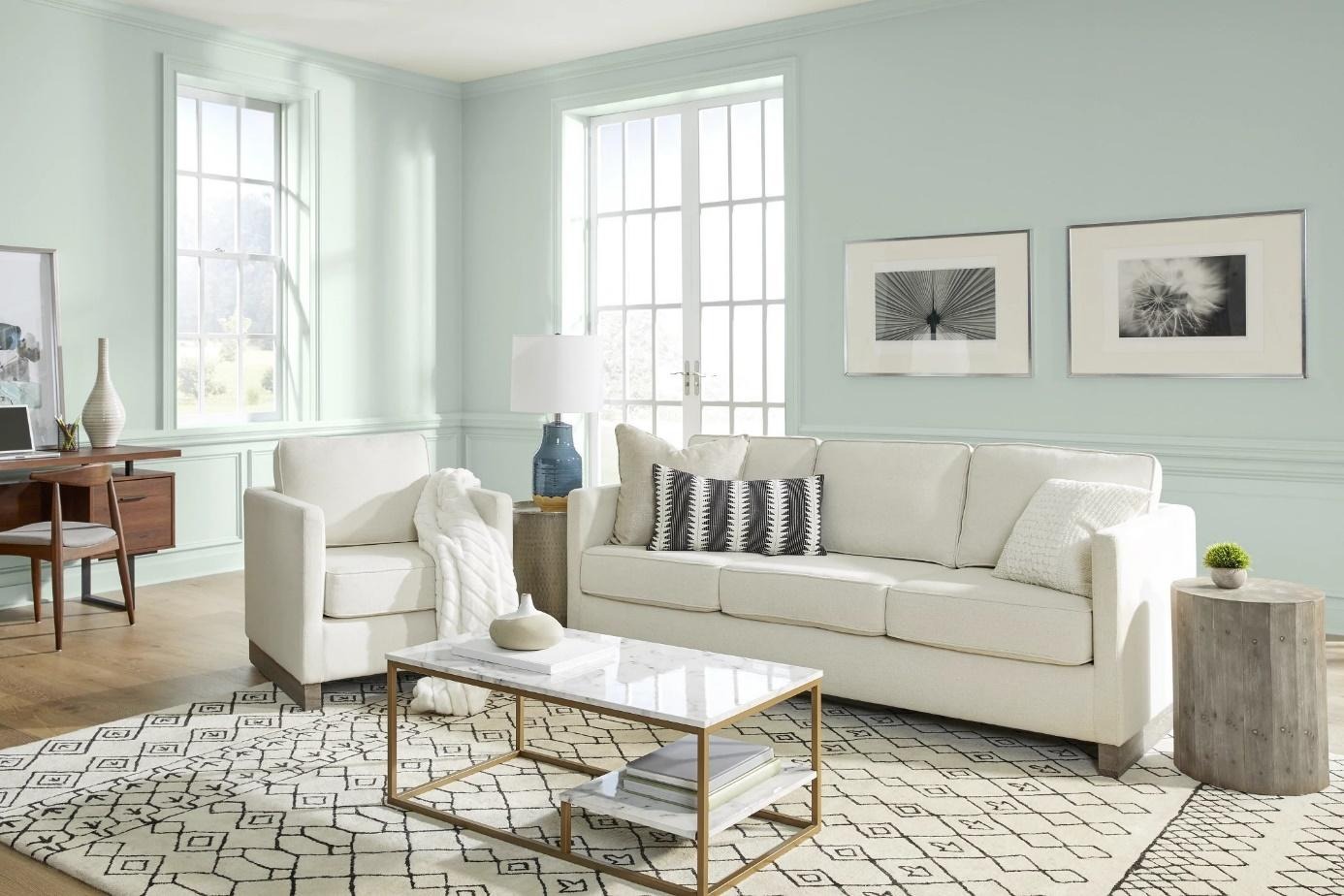
When comparing quotes, it's key to know the scope-coverage rate and the number of coats. Check if the job includes stain-blocking primer. Also, see if doors and ceilings are covered. Key factors, like labor costs, can make you overpay for your paint job. Flashing, lap marks, and poor adhesion can occur. You might also get a finish that scuffs easily. This often happens when the sheen or product choice isn’t suitable.
This article is from your local professional painting contractor, Rodriguez Painting Kansas. It explains what affects the cost to paint your home's interior. It also covers the cost per square foot for your interior painting project. It has prep levels, product types like low-VOC or zero-VOC, and design options such as accent walls and color consultations.
We’ll show you how cut-in quality, masking, and thorough cleanup can protect your home. This will also lead to better long-term results.
Why Interior Painting Matters?
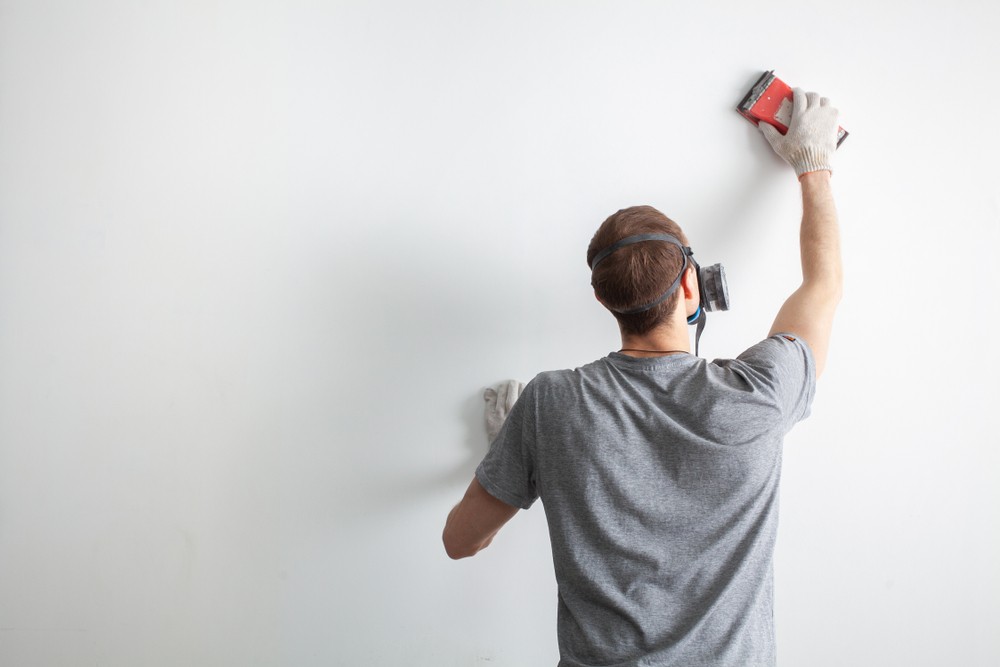
A good interior repaint isn’t just about color. It’s also about paint quality, durability, and protection. Proper surface preparation, including prep work such as surface repair, patching drywall, and sanding rough spots. It also fills gaps with caulk and spot-primes stains using stain-blocking primer. This sets the stage for a smooth, even finish.
Select the right paint type and finish. Use eggshell or satin for walls. Choose semi-gloss for trim, baseboards, and doors. This helps resist stains and scuffs while making cleaning easier.
Low-odor, low-VOC, and zero-VOC products are eco-friendly. They improve indoor air quality, especially in Kansas during winter. This is important when professional painters face ventilation limits, drying, and curing times.
What Affects Your Final Price?
Here are the key cost drivers: getting multiple quotes, preparation level, and square footage. It also includes the number of coats, product quality, and access. Add-ons like ceilings and trim affect the overall cost of painting inside the house.
Square Footage & Layout
The interior painting cost scales to be painted on the surface. Open concepts, stairwells, tall walls, and a vaulted ceiling slow down cut-in work. They also increase ladder time. More surface is equal to more paint, more hours, and more attention to cut lines.
Wall Condition & Prep Level
If you see nail pops, cracks, stains, or shiny old finishes, you’ll need to repair and prepare the surface. That can include patching drywall, sanding, caulking, deglossing, and application of stain-blocking primer. Heavier prep raises the total cost. It also reduces failures like flashing, poor adhesion, and early wear.
Coats, Coverage Rate & Color Change
A true two-coat system provides even coverage. It may need more than two coats to minimize lap marks and boost durability. Dark-to-light changes or bright colors may need a special primer. This can affect coverage and the total gallons used. Uniform coverage - makes for good hide and less touch-up in the future.
Paint System & Sheen (Performance vs. Price)
A high-quality paint job with premium lines has superior hide, scrub resistance, and long-term cleanability. For walls, eggshell and satin are great for looks and durability. Use semi-gloss on trim, baseboards, and doors. It’s tough and easy to clean. For baths/kitchens, mildew-resistant, washable paint with high staining is smart. Selecting a low-VOC or zero-VOC helps to reduce the odor during application and curing time.
Ceilings, Trim & Doors
Ceilings, trim and baseboards and doors are different products and detailed methods. Crisp cut lines, careful masking and additional clean-up time are factored into these line items. Expect significant lifting with the addition of these to "walls only."
Access, Protection & Jobsite Practices
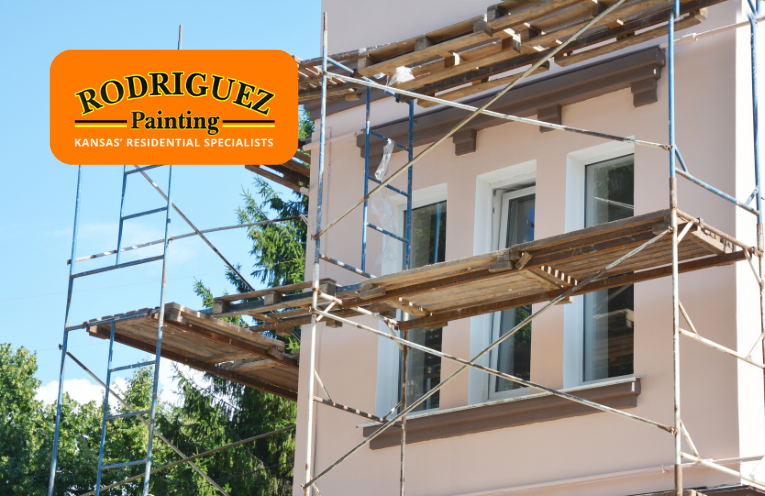
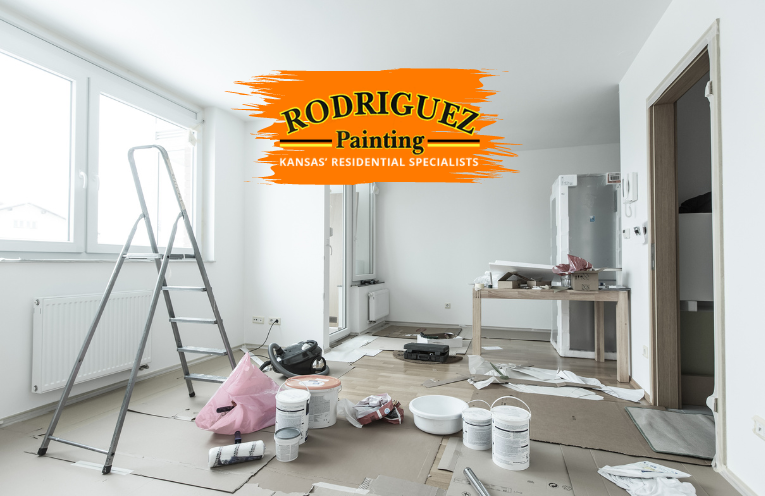
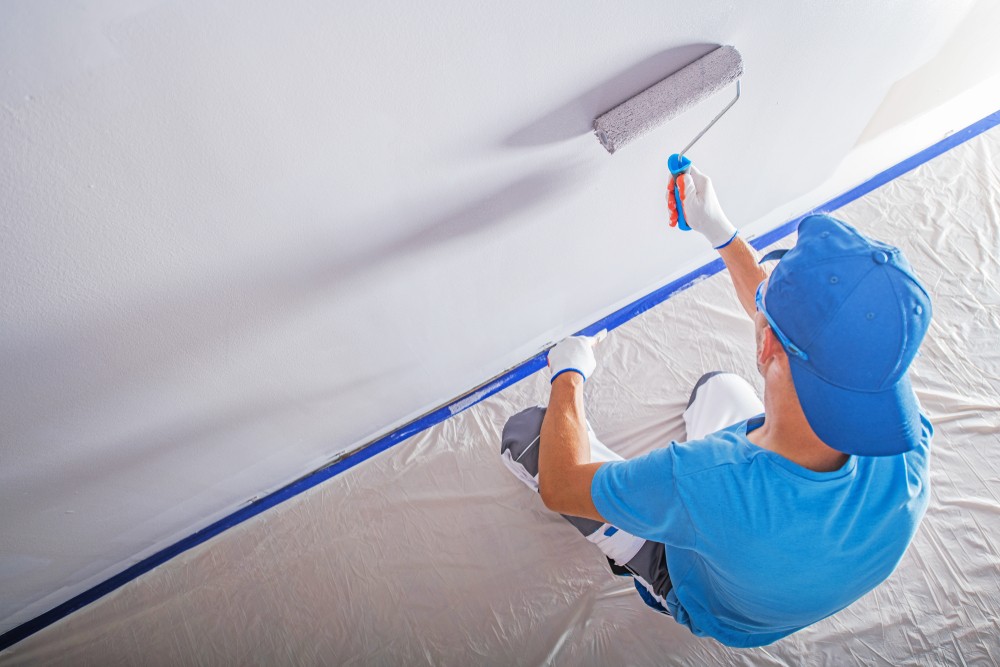
Professional masking, floor protection, furniture moving, and daily cleanup take extra time. But they help keep your home safe. Also, using ladders or scaffolds safely is essential for protection. These best practices lower the chances of roller texture mistakes. This helps manage painting costs and keeps the finish even on edges and corners.
Local Labor & Seasonality
Scheduling has an impact on price and time. Peak seasons may not be available; off-season may open up a quicker start. Kansas humidity and temperature changes affect dry time and curing time per square foot , which pros plan around to prevent adhesion or flashing problems.
Average Cost to Paint the Interior of a House
According to HomeAdvisor most full-home projects usually cost between $2,000 and $6,000, but room size can significantly influence this range . For most Kansas homes the mid-range of national figures is located in the whole-home repaint (walls) category. A good practical method to budget for paint the interior is to start with the interior painting cost per square foot and then make adjustments for scope and condition.
|
Area / Room Type |
Average Cost Range |
Cost per Sq. Ft. |
Notes |
|---|---|---|---|
|
Bedroom (10×12) |
$300 – $700 |
$2.50 – $4.00 |
Two-coat system; ceiling/trim optional |
|
Living Room |
$600 – $1,200 |
$2.50 – $4.50 |
Tall walls/vaulted ceiling increase time and paint |
|
Kitchen |
$400 – $800 |
$3.00 – $5.00 |
Deglossing + stain-blocking primer may be needed |
|
Bathroom |
$200 – $500 |
$2.00 – $3.50 |
Mildew-resistant, washable paint recommended |
|
Whole Home (1,500 sq. ft.) |
$2,500 – $4,000 |
$2.50 – $3.50 |
Walls only; add ceilings/trim/doors separately |
Why ranges vary per square foot: some sources estimate by floor area and factor in more tasks (prep, priming, sealing), while others quote strictly by wall area and don't count trim and baseboards, doors and ceilings. Always check the scope.
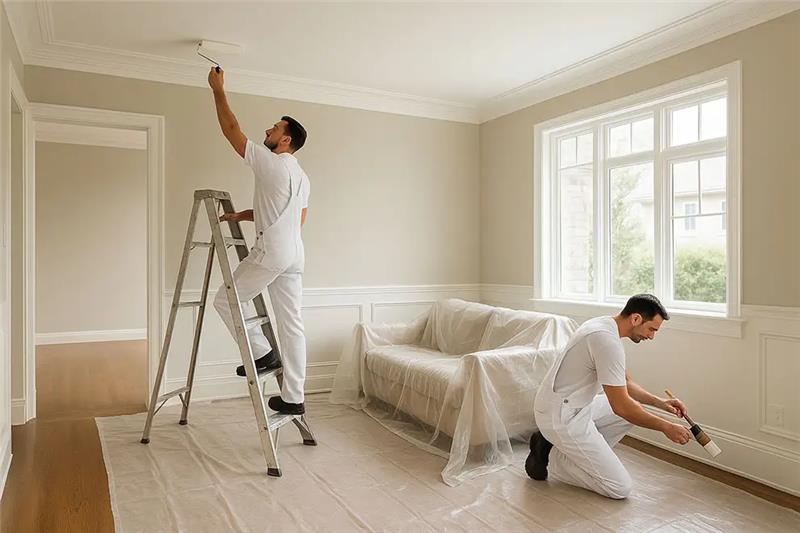
Planning Your Project
-
Measure the walls for the cost of interior painting per square foot as it can significantly impact your overall budge.
-
Inspect condition for repairs, considering the preparation requirements - patching drywall, sanding, caulking, spot-priming stains.
-
Choose your system: Low-VOC/ zero-voc, primer Types, Sheen (walls =eggshell or satin, trim or doors =semi-gloss).
-
Define scope clearly-Walls, Ceilings, Trim and Baseboards, Doors, Closets, Accent walls.
-
Schedule smart-with climate and family routines in mind; allow for proper dry time or curing time.
-
Request line-item estimate or quote with details of coverage rate, coats, products and timeline.
Design & Finish Ideas That Influence Cost
Your design choices - colors, sheens, trim detail, and specialty finishes - directly change scope, materials, and labor, which is why it has a direct influence on the final cost to paint the interior of a house, especially when you're going for a fresh coat.
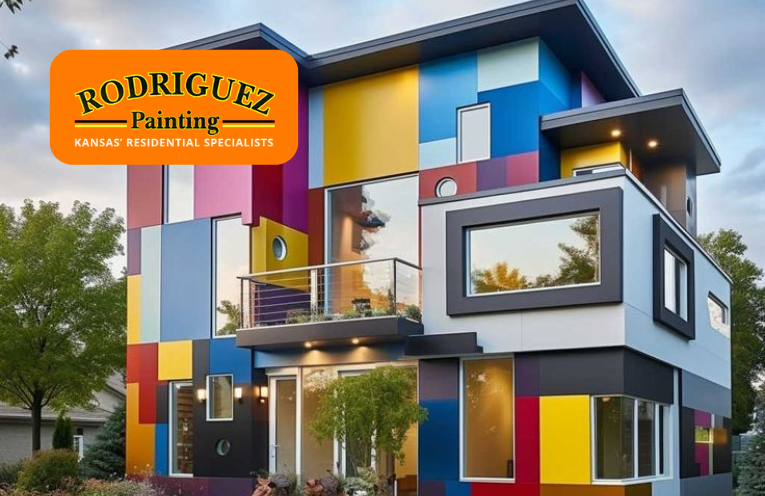
Accent walls & bold color blocks
An accent wall is a fairly affordable means of creating a focal point, but bold pigments and dark-to-light changes often require a stain-blocking primer and true two-coat coverage for a fresh paint job with proper hide and sheen uniformity. Because rich colors can have a lower rate of coverage you will be using more of the product and adding a little labor.
Keeping the accent to a strategic wall, behind the bed, sofa or fireplace, is a way of delivering high drama without inflating the budget.
Finish (sheen) selection
Sheen has both aesthetic and durability implications. Eggshell or satin on walls provide you with washable paint with good scrub resistance, good for the living and hall areas. Semi-gloss on trim and doors has better scuff resistance but requires slower and more care to apply so as not to show brush and roller marks.
Ultra-flat finishes conceal imperfections and wear more readily, meaning that you will need more touch-ups in the future. Premium resin systems and higher sheens, however, can increase material cost and add a bit of extra time for crisp cut lines.
Ceiling treatments
Standard ceilings are usually priced separately from walls, but vaulted or two-story foyers need ladders or small scaffolds and more precise cutting in with the added labor. Choosing other than white color or painting coffered details increases masking and edge work. If you are planning to repaint walls, scheduling ceilings the same visit can eliminate a number of mobilization and reduce some cost.
Trim, baseboards, and doors
Crisp white semi-gloss trim with fresh wall color adds an architectural contrast and a polished appearance, however, it comes with more linear feet to mask, cut and finish. Multi-panel doors, wainscoting, elaborate moldings - add details time. Fine finish enamels are more expensive per gallon but are harder to cure, providing for increased life between repaints and reducing long term maintenance costs.
Specialty textures and decorative finishes
Techniques such as striping, stenciling, faux finishes, limewash, Venetian Plaster, and metallics add an upscale look to a room and take advanced skill and multi-step application. These artistic coatings come with a high price in terms of labor costs and extend the schedule.
A smart approach would be to only reserve specialty finishes in areas of high impact and use of compact size (an entry, powder room or feature niche) so that you still control you spend, but get a custom look.
Surface condition and repairs
Design choices are only as good as the substrate. Patching drywall, sanding, caulking, deglossing shiny areas, spot-priming stains are the most important to address flashing, lap marks and adhesion problems. Smooth, light finishes will show imperfections more than mid-tone neutrals, therefore an aesthetic of "gallery-smooth" often needs more prep time. While this increases up front cost, it saves from failure and touch-ups down the road.
Cabinetry, built-ins, and banisters
Painted cabinets and built-ins can transform kitchens and living rooms in your home's painting project; however, they require degreasing, sanding, bonding primer, fine finish application, and longer cure time. As this work is laborious and special to the product, it is usually scoped and priced separately from painting the walls. The visual upgrade is significant, and if done correctly it provides excellent return on investment.
Color complexity and testing
Deep bases and saturated colors may require specialty primers and may even require an additional coat in order to achieve even hide. Sampling colors on the actual wall - in the morning light and in the evening light - prevents mid-project changes that will waste product and labor. A simple color consultation in advance will often save you money because you are likely to choose tones that are good for covering and coordinating across rooms.
Health and indoor air quality choices
Low-VOC and zero-VOC systems have less odor and more comfortable application and curing time (especially in winter when windows are closed). Mildew-resistant, washable paints are a good idea in baths, laundry rooms and basements. These formulations may be slightly more expensive per gallon, but they provide finishes with protection, resist stains and scuffs and reduce future maintenance.
Masking, protection, and cleanup
Quality of design is dependent on job site quality. Sharp two-tone lines, dark trim with light walls and perfectly straight cut-in require a lot of masking, edging, daily discipline, and sometimes special equipment. This precision adds time, but prevents roller texture at the edges, preserves floors and fixtures and keeps the schedule on track - ultimately, it protects both the look and the budget of your interior project.
Budget Smarts (Save Without Sacrificing Quality)
Want a beautiful result without overspending? Focus on scope clarity, smart product choices, and efficient scheduling. Here’s a practical, homeowner-friendly playbook that protects finish quality while trimming your total spend.
The Foundation of a Fair Price
The smartest way to control the cost to paint the interior of house is to start with absolute clarity on scope. Ask for a line-item, written estimate that separates walls from ceilings, trim and baseboards, and doors, and that explicitly lists surface preparation steps such as patching drywall, sanding, caulking, and stain-blocking primer, plus the number of coats.
When you compare quotes with identical scope and a true two-coat coverage plan, you avoid “apples vs. oranges” pricing and prevent surprise add-ons mid-project.
Fewer Mobilizations, Lower Overhead
Bundling work is another quiet money-saver. Painting multiple rooms in a single mobilization reduces repeated setup, masking, and cleanup, which lowers hourly waste and often improves the per-room rate. Grouping similar tasks, like doing all ceilings together or scheduling all trim and doors in one pass, keeps production smooth, cut-in lines consistent, and labor more efficient.
Spend to Save Over the Paint’s Lifespan
Your product choices also affect long-term cost. Mid-to-premium interior lines with low- or zero-VOC formulas, strong hide, and good scrub resistance typically need fewer coats and stand up to cleaning better, which cuts future touch-ups.
For walls, eggshell or satin provides the best balance of durability and appearance; for trim and doors, semi-gloss handles scuffs and washing. In moisture-prone rooms, mildew-resistant, washable paint extends service life and reduces maintenance.
Reduce Extra Coats with Smart Palettes
Color strategy matters more than most people realize. Staying within a cohesive palette minimizes deep color swings that require specialty primer or extra coats to reach uniform coverage and sheen. If you are going dark-to-light, plan for a stain-blocking or deep-base primer; it improves coverage rate and hide, and it’s almost always cheaper than rolling a third finish coat.
Help the Crew, Protect the Warranty
There are small prep tasks homeowners can handle to trim hours without risking quality. Clearing rooms, removing wall plates, and staging furniture toward the center lets the crew mask and protect more quickly. Leave technical preparation, patching drywall, sanding, caulking, deglossing, and priming, to professionals so adhesion, sheen uniformity, and warranty coverage aren’t compromised.
Time Projects for Value and Quality
Scheduling is another lever. Off-season or weekday slots in Kansas can offer better availability, and sometimes more favorable rates, than peak summer or weekend timelines. Pros also plan for local humidity and temperature to manage dry time and curing time; that planning prevents flashing, lap marks, and adhesion problems that would otherwise require costly rework.
Keep the System Intact
When budgets are tight, adjust scope rather than quality. It’s better to postpone a closet or hold an accent wall for later than to drop essential steps like a primer or a second coat. Protect the system and the warranty, cutting corners on prep or coverage often shortens the life of the job and increases the cost per year.
Invest Where Results Are Most Visible
Invest where it shows. Prioritize high-impact spaces such as entries, living rooms, kitchens, and hallways, and consider a trim refresh in public areas for a big design lift without repainting everything. When you decide to hire professional painters, combined with clear scope, efficient batching, and durable coatings, these choices keep your cost to paint house interior under control while delivering a professional, long-lasting finish from Rodriguez Painting Kansas.
Call Rodriguez Painting Kansas at 816-289-7239, or contact our painting experts in Kansas for a free quote today!
Conclusion
Interior painting is one of the highest-ROI upgrades you can make, especially if moving furniture is part of the plan, provided the scope is clear, surfaces are prepped correctly, and the right paint system is used.
When your account for the true drivers of the cost to paint interior of house, square footage, surface preparation (patching drywall, sanding, caulking, primer), finish selection (eggshell or satin on walls; semi-gloss on trim or doors), and add-ons like ceilings or accent walls, you get an apples-to-apples estimate, a longer-lasting finish, and fewer touch-ups over time.
For Kansas homeowners, planning around climate, dry time, and seasonality helps ensure a smooth process and a result that looks great for years.
At Rodriguez Painting Kansas, we build every proposal on transparency and craftsmanship: a clear, line-item scope, a true two-coat coverage plan, premium low- or zero-VOC options, neat cut-lines, careful masking, and a clean jobsite every day. The result is a durable, washable finish that elevates your rooms and lowers lifetime maintenance, exactly what you want from a professional painting contractor.
Ready for a precise, line-item quote tailored to your home?
Contact us at 816-289-7239 or contact our expert painters in Kansas for a free interior painting quote today!
FAQs
What’s a realistic cost to paint the interior of house (1,500 sq. ft.)?
For walls only, many Kansas projects land around $2,500–$4,000, depending on prep, coverage rate, and a two-coat coverage plan. Adding ceilings, trim and baseboards, or doors increases scope and price.
Do pros charge by room or square foot?
Most bid by square foot for walls and then add clearly separated line items for ceilings, trim or doors. Per-room pricing can vary widely based on surface preparation and height (e.g., tall walls or a vaulted ceiling).
Which finish is best for interior walls?
Eggshell or satin for walls (balance of hide, scrub resistance, and look); semi-gloss for trim and baseboards or doors (high scuff resistance and cleanability).
How many coats are necessary?
A two-coat coverage system is standard for uniform color and sheen. Dark-to-light changes typically need stain-blocking primer first.
How long does interior paint last?
With good surface preparation, correct primer, and quality finishes, expect 5–10 years. High-traffic areas may need earlier touch-ups.