
Painting the exterior of a home can feel like a big expense because it is a full property project, not a single room upgrade. Homeowners in Kansas often ask if the cost to paint exterior of house is worth it for a larger home, especially around 3,000 square feet. The short answer is that it depends on your home’s paintable surface area, number of stories, siding material, prep needs, and the quality level you want.
This guide explains realistic price ranges for Kansas homeowners, what makes a 3,000 sq. ft. exterior cost more, and what you can do to protect your budget without cutting corners. It is written for homeowners who want clear answers, practical comparisons, and a confident plan before requesting quotes from Rodriguez Painting Kansas.
To go into the exterior paint pricing and options, refer article to Cost to Paint the Exterior of a House in 2026: Factors, Estimates, and Tips, exploring what is the average cost to paint the exterior of a house.
Understanding What You Are Really Paying For
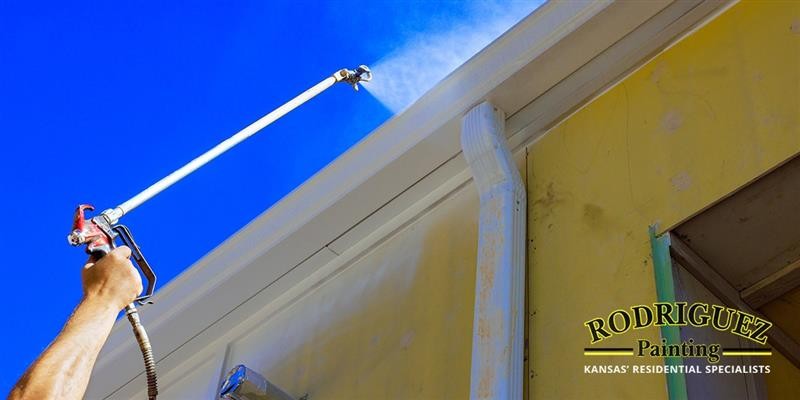
The cost to paint exterior of house is not just paint and labor in a simple sense. A professional exterior repaint typically includes surface cleaning, protection of landscaping and hardscapes, detailed prep, priming where needed, caulking gaps, and applying one or two finish coats depending on coverage needs.
Many homeowners assume exterior pricing is based only on the square footage of the home. In reality, contractors look at paintable surface area and difficulty. A 3,000 sq. ft. home with tall walls, steep rooflines, dormers, or complex trim often costs more than a 3,000 sq. ft. home with simple geometry. This is why two homes with the same interior square footage can receive very different exterior quotes.
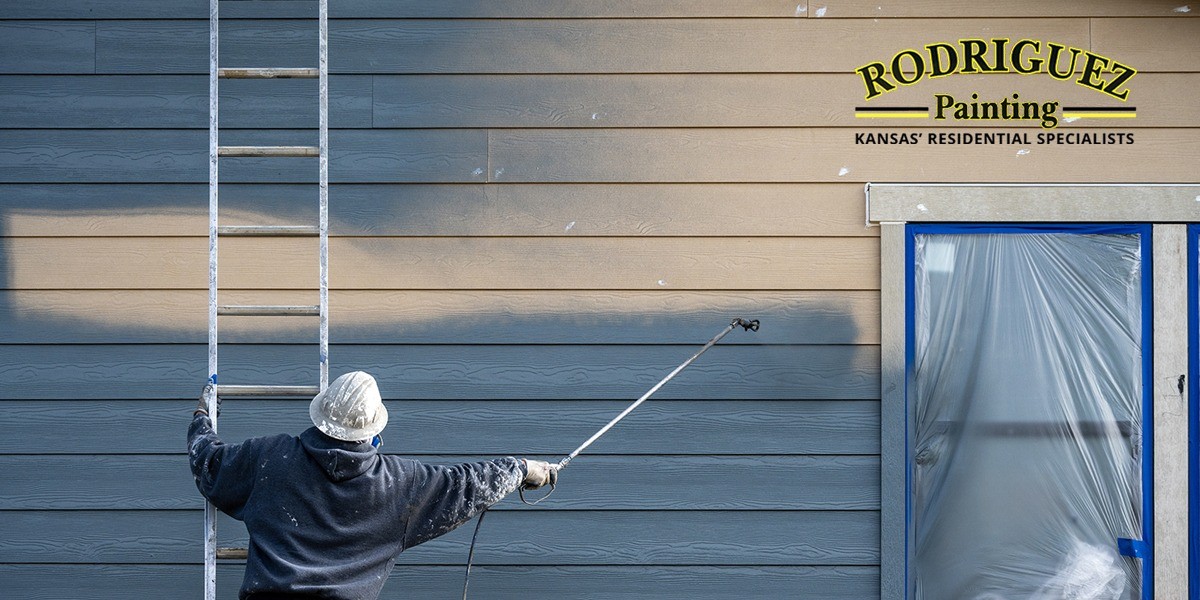
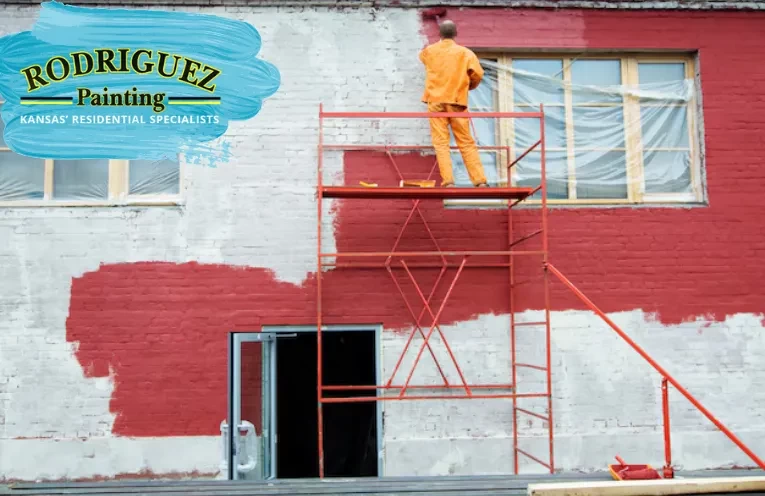
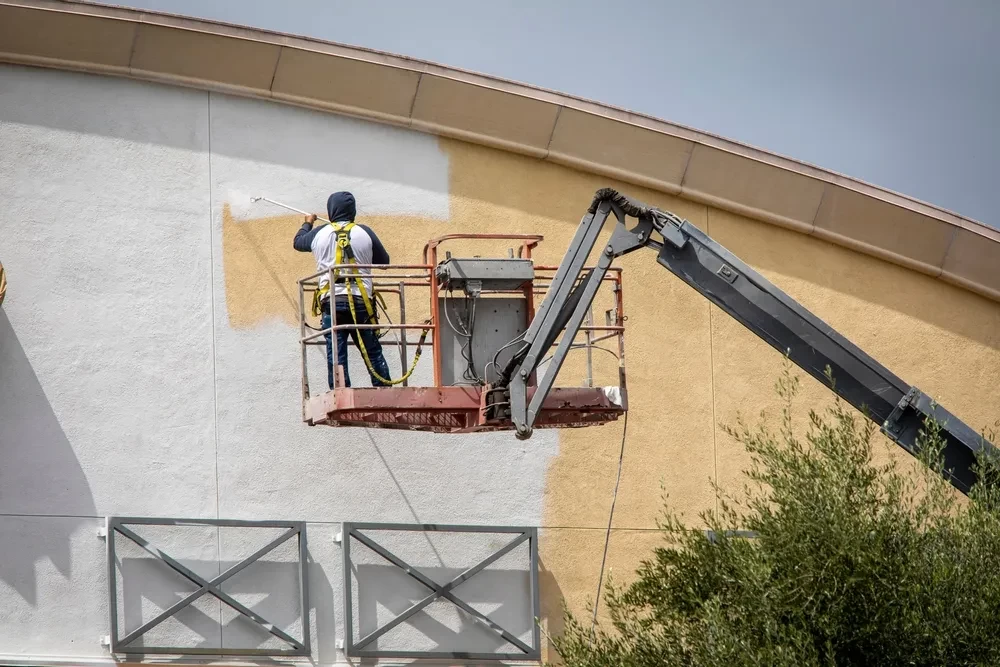
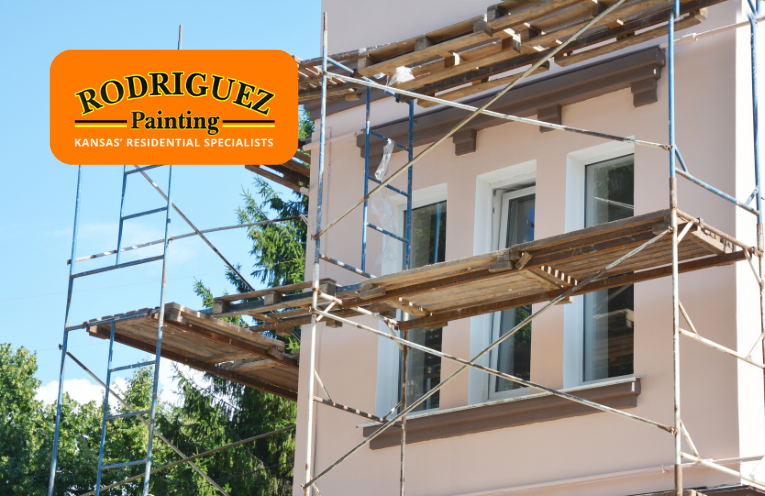
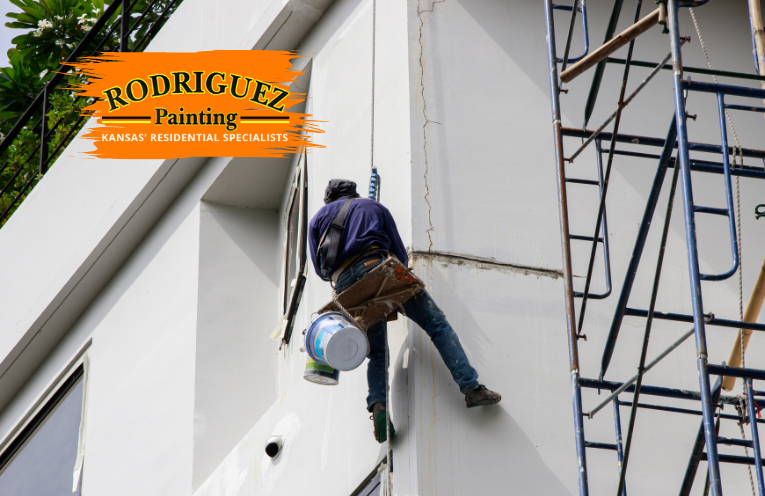
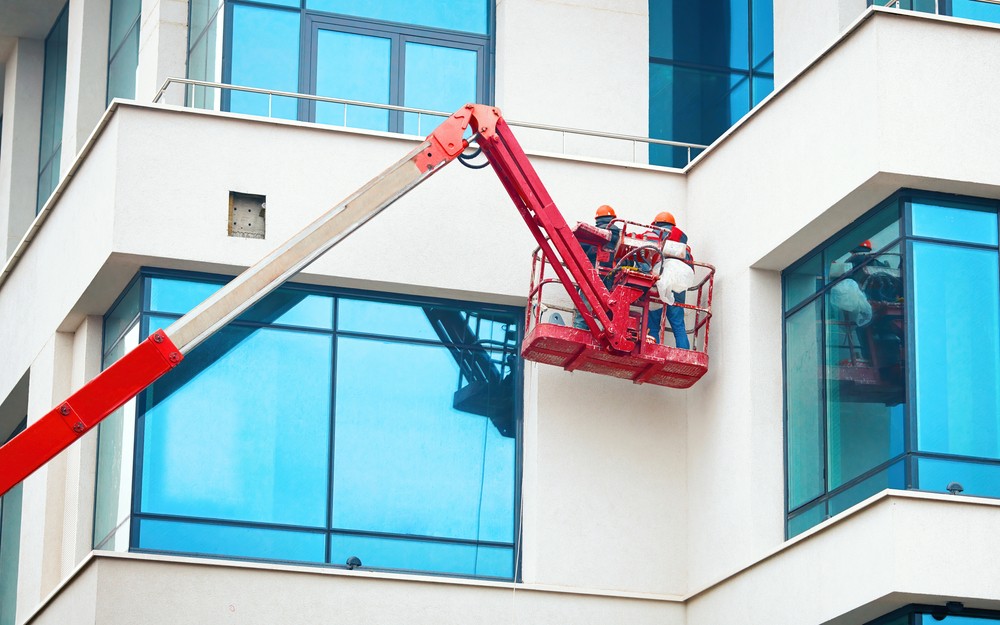
Exterior painting also includes access and safety considerations. Multi story homes may require additional ladder work, staging, or scaffolding. That increases labor time and sometimes requires extra equipment.
Average Cost to Paint Exterior of House in Kansas
Kansas pricing follows national patterns, with local labor rates and seasonal demand shaping the final estimate. Multiple cost guides commonly reference exterior painting ranges that start around 1.50 per square foot and can reach 4 per square foot for standard scopes, with higher totals for complex, multi story projects or premium finishes.
It also helps to separate two common ways painters estimate:
• By paintable square footage
• By project scope, including story count, trim, siding, and prep
This is why you may see broad ranges like 1.50 to 4 per square foot from large home improvement resources, while Fixr show higher per square foot figures depending on how they define square footage and included surfaces.
Cost to Paint 3000 Sq. Ft. House Exterior: Realistic Ranges
If your home is about 3,000 square feet, a widely cited baseline range for exterior painting is often around 4,500 to 12,000 depending on complexity, story count, and prep needs.
That range feels wide because it is meant to cover very different homes. A single story ranch with simple siding and minimal trim is not priced the same as a two story home with dormers, shutters, fascia, soffits, heavy trim detail, and multiple material transitions.
To make it easier to interpret, here are realistic scenarios Kansas homeowners often fall into:
• Lower range projects typically have simpler access, minimal peeling, and straightforward siding
• Mid range projects include more trim, moderate prep, and more detailed masking
• Upper range projects include heavy prep, multiple stories, lots of windows, complex trim, or specialty coatings
Professional labor is a major driver in these totals. Several guides note labor as the largest share of painting cost, sometimes accounting for most of the project cost depending on prep complexity.
Before starting your project, it’s important to know what impacts pricing—from labor to materials—explore our full guide on exterior house painting costs and tips for 2026.
Exterior Painting Cost Breakdown
The table below is designed to be homeowner friendly. It uses typical per square foot guidance from major home improvement cost resources and then adapts it into a 3,000 sq. ft. planning view.
|
Area or Scope Item |
Average Cost Range |
Cost per Sq. Ft. |
Notes |
|---|---|---|---|
|
Exterior painting baseline |
1.50 to 4 per sq. ft. |
1.50 to 4 |
Typical ranges for many homes depending on scope |
|
3,000 sq. ft. home exterior baseline |
4,500 to 12,000 |
1.50 to 4 |
Often used as a planning range for 3,000 sq. ft. homes |
|
Higher prep exterior scope |
Varies by condition |
Varies |
Prep may materially raise cost and timeline |
|
Multi story access premium |
Higher than baseline |
Higher |
Additional access needs can raise costs |
Important note for homeowners: Some sources publish higher per square foot ranges by counting painted surface area differently or assuming trim, windows, and difficult access are included in a heavier scope. This is why quotes vary. The best approach is to compare scopes line by line, not just the final price.
.jpeg)
What Drives Exterior Painting Costs the Most
Size and paintable area
Even if your home is 3,000 square feet inside, the exterior paintable surface can vary significantly. More wall height, complex architecture, or extended garage walls increase paintable area and labor time.
Number of stories and access
Two story and three story homes usually cost more because painters spend more time moving ladders, setting up safe access, and working around rooflines. Some resources describe cost increases per story as a meaningful factor because access changes everything.
Prep work and surface condition
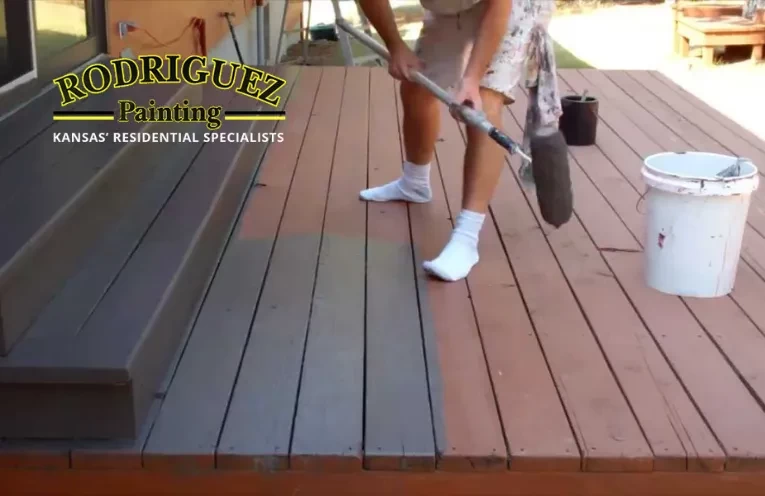
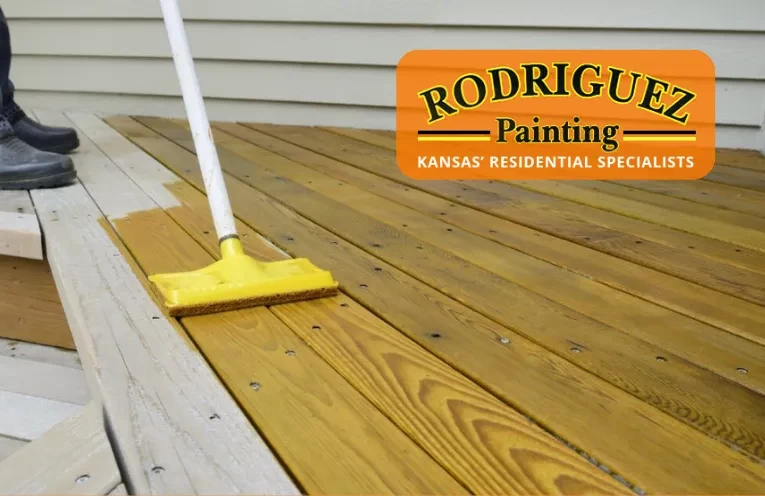
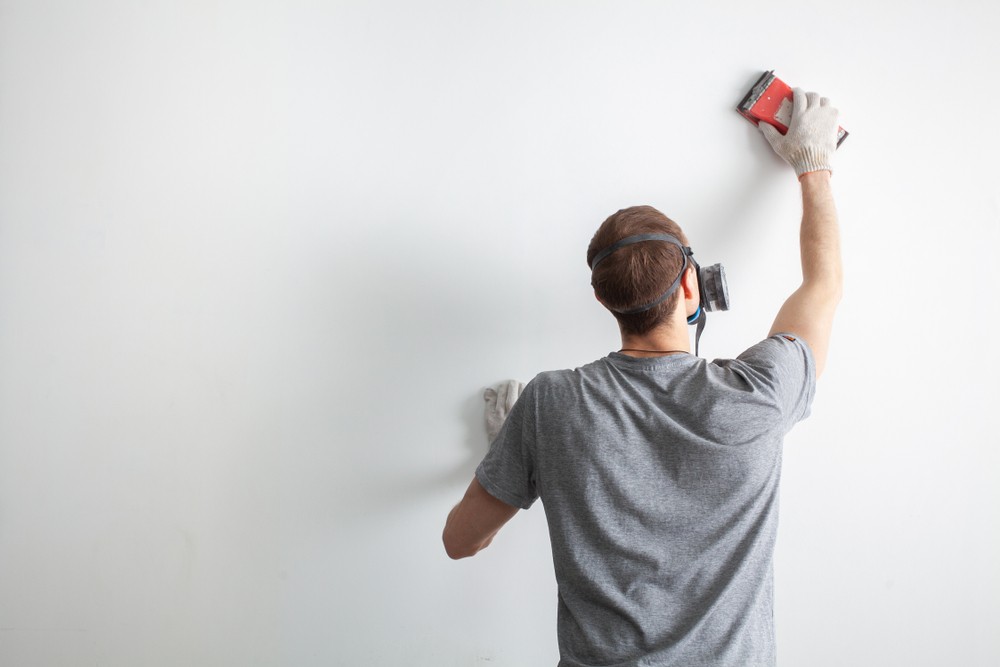
Prep is often the hidden budget factor. Pressure washing, scraping peeling paint, sanding rough edges, caulking gaps, and priming bare patches take time. Some cost guides estimate that prep can represent a substantial portion of the total cost.
If your siding has chalking, mildew, peeling layers, or cracks, the project may shift from a simple repaint to a repair plus repaint scope. That is not a bad thing. It usually means the finish will last longer and look more uniform.
Amount of trim, windows, shutters, and doors
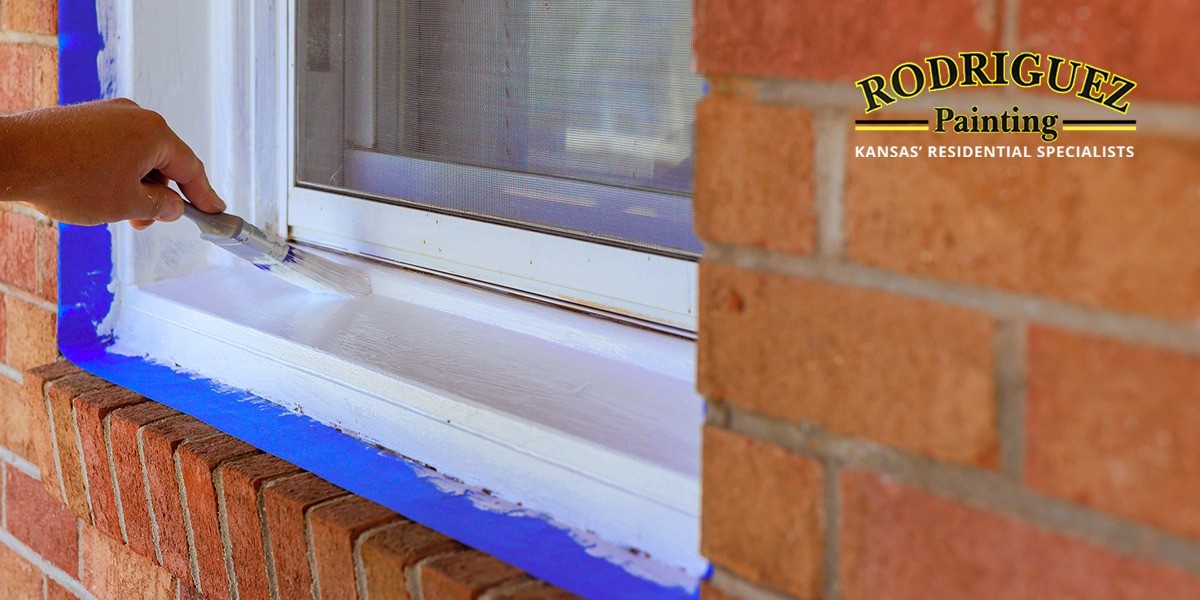
Trim work requires detail. Masking windows, protecting brick edges, cutting clean lines around fascia and soffits, and coating doors adds labor hours. CertaPro Painters explicitly call out trim and window complexity as cost multipliers.
Permits and special equipment
Permits are not always required, but some areas may require them for certain exterior work. Equipment needs also change cost. If a home requires lifts or specialized access tools, that can raise the price.
Siding Types and How They Change Pricing
Exterior painting is not one surface. Kansas homes commonly include a mix of siding, trim, and masonry. Each material has a different prep and paint approach.
Wood siding
Wood often needs the most prep because it can crack, peel, and absorb moisture. It may require sanding, spot priming, and careful caulking. Wood is also less forgiving if moisture problems exist.
Vinyl siding
Vinyl can be painted, but it requires correct product selection and careful cleaning. Dark colors may create heat related issues. Surface prep still matters because paint needs a stable, clean surface to bond.
Stucco
Stucco can be durable, but repairs and patching can affect cost. Home improvement sources note that stucco repair can add meaningful expense, and patching often requires repainting larger areas for visual consistency.
Fiber cement
Fiber cement is paint friendly and durable, but it still needs correct priming where repairs occur. It often performs well in climates with temperature swings when properly sealed.
Brick and masonry accents
Painted masonry can look great, but it requires the right primer and breathable coatings to manage moisture. Many homeowners choose to paint trim and siding while leaving brick unpainted for lower maintenance and a classic look.
Prep Work That Makes or Breaks Durability
A good exterior paint job is built on preparation. Skipping prep may lower the quote, but it often shortens paint life and creates visible flaws.
Here are prep steps commonly referenced across painting cost guides:
• Pressure washing to remove dirt and contaminants
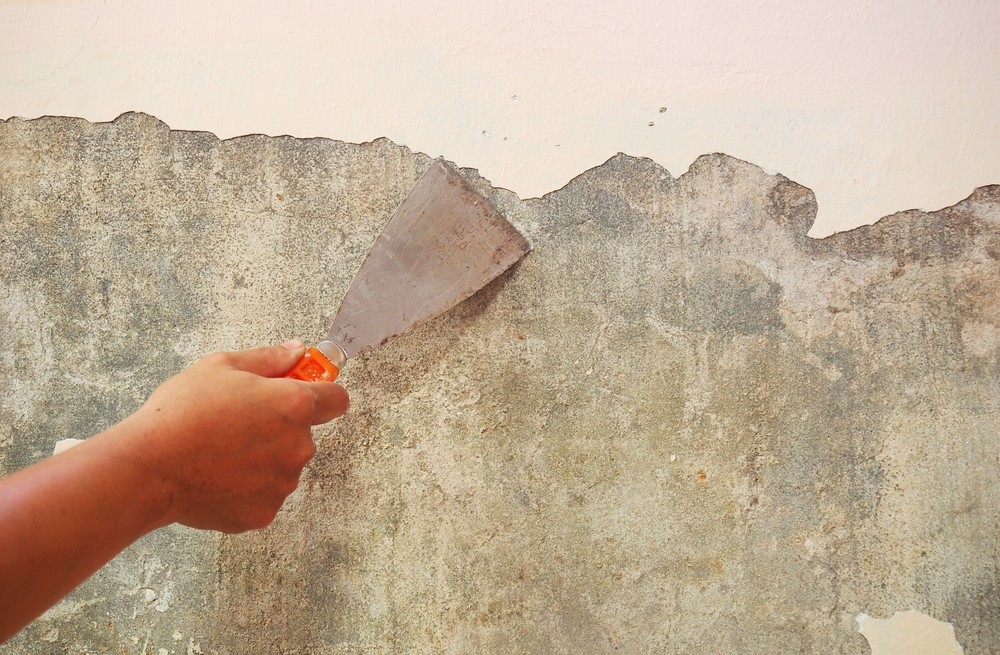
• Scraping and sanding to remove peeling edges
• Caulking gaps to reduce moisture intrusion
• Priming bare areas to improve adhesion
For a 3,000 sq. ft. home, prep becomes more significant because there is more surface area and more opportunity for weak points. Prep is also where pros spend time protecting landscaping, masking edges, and creating clean transitions.
Kansas weather adds another layer. Homes experience sun exposure, wind, storms, and winter temperature swings. Moisture and freeze thaw cycles can stress coatings. A clean, primed, sealed surface helps paint handle these conditions longer.
Paint Quality, Sheen, and Weather Resistance
Paint selection is not only about color. It is about performance.
Acrylic latex vs specialty coatings
Many exterior jobs use acrylic latex because it is flexible and durable. For stucco or surfaces with hairline cracking, some homeowners consider elastomeric coatings for added crack bridging. These choices can change cost.
Sheen selection
Exterior sheens commonly include flat, satin, or low luster finishes. Higher sheen can highlight surface imperfections, while flatter finishes can hide uneven textures. Trim often uses a higher sheen for durability and easier cleaning.
Color choices and heat absorption
Deep colors can absorb more heat. On vinyl, that may increase risk of warping or performance issues depending on product and exposure. Color changes also affect the number of coats needed. Moving from dark to light may require primer or extra coats.
Multiple resources emphasize that paint quality and the number of coats influence both cost and longevity.
.jpeg)
DIY vs Professional Exterior Painting
DIY exterior painting can reduce labor costs, but it adds time, safety concerns, and risk of uneven results. Large home improvement sources often note that DIY can be cheaper but requires skill, equipment, and time.
For a 3,000 sq. ft. home, the challenge is scale. Even if paint and supplies cost a few thousand dollars, the time commitment can stretch into weeks, especially when prep is done correctly.
Professional painting teams bring speed, consistent coverage, and safer access for multi story work. They also typically handle cleanup and surface protection. The best value is not always the lowest quote. It is the best scope, prep plan, and coating system for Kansas weather.
How to Budget Smart Without Sacrificing Quality
Compare quotes by scope, not price
Ask whether the quote includes pressure washing, scraping, caulking, primer, number of coats, and trim detail. One estimate may look cheaper simply because it excludes prep steps.
Decide what to paint and what to leave
If your home has brick accents, you may choose to paint siding and trim only. That can reduce cost while still improving curb appeal.
Use targeted upgrades
Painting the front elevation and trim details can transform appearance. Full repainting is ideal when the home needs uniform protection, but not every home requires the same approach.
Plan for maintenance
Exterior paint typically lasts several years, and most sources mention repaint cycles around five to ten years depending on conditions and paint quality.
Periodic touch ups and minor caulking repairs can extend the life of the finish and delay a full repaint.
When to Schedule Exterior Painting in Kansas
Kansas weather matters for exterior painting because temperature and humidity affect curing.
Many homeowners prefer spring and early fall because conditions are stable. Summer can still work, but extreme heat can make application and drying more challenging. Some guides also note that extreme heat can affect application conditions and efficiency.
If you want better scheduling flexibility, consider booking early in the season. This can help avoid peak demand periods when contractors are busiest.
The Future of Exterior Painting Costs
Several factors will likely influence exterior painting prices over time:
• Labor availability and wage shifts
• Higher demand for durable, low odor, low VOC coatings
• Increased focus on prep standards for longevity
• Rising material costs for premium exterior paint systems
Homeowners will increasingly prioritize coatings that resist fading, moisture, and mildew. That pushes demand toward better products and better prep, which supports longer paint life and fewer repaints.
At Rodriguez Painting Kansas you can hire our professional painters for a quick scope review and timeline, or request a free estimate. Call us at 816-289-7239 and get a free quote today.
Conclusion
So, is painting a 3,000 sq. ft. house exterior expensive. It can be, but it is also one of the most visible and protective upgrades you can make. For many homes, a realistic planning range is about 4,500 to 12,000, with the final price shaped by story count, siding type, prep intensity, trim complexity, and paint quality.
If you want the best value, focus on scope clarity and prep standards. That is what protects the finish, supports curb appeal, and avoids early repainting.
To go into the exterior paint pricing and options, refer article to Cost to Paint the Exterior of a House in 2026: Factors, Estimates, and Tips, exploring what is the average cost to paint the exterior of a house.
Request a detailed exterior estimate from Rodriguez Painting Kansas and get a clear scope, coating plan, and timeline that fits your 3,000 sq. ft. home. Call at 816-289-7239 to book a quote.
FAQs
What is the cost to paint exterior of house for a 3,000 sq. ft. home?
A common planning range is about 4,500 to 12,000, with large variations based on stories, prep, siding type, and trim detail.
Why do exterior painting quotes vary so much?
Quotes vary because some include heavy prep and multiple coats while others assume minimal prep. Story count, access difficulty, and trim complexity also change labor time.
How much does siding type affect the price?
Wood and stucco often require more prep or repair compared to some other surfaces. Material condition and coating system selection can change the project scope.
How often should a house exterior be repainted?
Many sources cite repaint cycles around five to ten years depending on weather exposure, paint quality, and maintenance.
Is professional painting worth it for a 3,000 sq. ft. home?
For many homeowners, yes. Exterior painting is labor heavy, safety sensitive, and prep dependent. Professionals typically deliver better durability, faster completion, and cleaner finish lines compared to many DIY attempts.