If you are budgeting for an exterior refresh in Kansas, you are probably trying to answer two practical questions. What is the typical cost to paint exterior of house in 2026. And what does that mean for exterior house painting cost in Kansas where weather, siding types, and labor rates can vary by city and season.
The short answer is that most reputable sources still place national exterior painting pricing in a fairly consistent band, usually starting around the low single digits per square foot and rising with prep work, access, and surface complexity. HomeAdvisor lists about $1.50 to $4 per square foot for exterior painting, emphasizing that complexity and prep drive the final number.
Angi provides a similar range and shows examples by home size, such as 1,000 square feet at $1,500 to $4,000 and 2,000 square feet at $3,000 to $8,000.
With January 2026 pricing, estimates a basic cost range of $2.20 to $4.37 per square foot, with significant variability based on site conditions and options.
That overlap is helpful because it gives you a solid baseline. But the more useful answer is the explained one. The cost to paint a house exterior is really the sum of surface area, condition, coating system, access needs, and the amount of protection and repair required before a single coat goes on.
This guide breaks down those drivers clearly, then gives realistic estimate ranges for common Kansas home sizes, plus practical tips that help you protect your investment so you repaint less often.
Exterior Painting Costs in 2026: What the Data Suggests
Most high ranking cost resources agree on a core reality. Exterior painting is priced primarily by paintable surface area and labor intensity, not by the interior square footage listed on your real estate listing.
Here is what the most cited sources are broadly saying.
About $1.50 to $4 per square foot for exterior painting, with job complexity, accessibility, and prep work as major variables. Similarly some cite places exterior costs between $1.50 and $4 per square foot and highlights how stories and hard to reach areas increase pricing.
Homewyse, with January 2026 data, places basic cost between $2.20 and $4.37 per square foot, again emphasizing site conditions and options. One of these guides reports a wide total project range for a full exterior repaint, reflecting how much scope can vary when you include labor and materials across different home sizes and conditions.
A key takeaway is that the per square foot numbers you see are often for a defined scope such as siding walls only. When you add fascia, soffits, doors, shutters, garages, railings, and detailed trim, the cost increases. When you add repairs, it increases again.
Some brands and contractors publish higher per square foot ranges, especially when they include more detailed scope. For example, Some cites explains a higher range per square foot for 2025 projects and notes that difficult access requiring lifts or scaffolding can increase cost.
Those higher figures often reflect a more comprehensive scope and a more premium finish expectation, not just a basic repaint.
So in 2026, Kansas homeowners should think in tiers rather than a single number.
A basic repaint on a single story home with minimal prep tends to land near the lower end of the national range. A two story home with heavy prep, peeling paint, wood rot repair, and extensive trim detail tends to land near the upper end. And specialty surfaces and access requirements can push pricing higher than standard averages.
Exterior House Painting Cost in Kansas: What Changes Locally
Kansas has a mix of climate forces that matter for exterior coatings. You see hot summers, cold winters, and seasonal storms. That freeze and thaw pattern can stress wood, caulk lines, and older coatings. The practical result is that preparation and product selection matter more than people expect.
Kansas also has city driven differences. A quote in Wichita may not match a quote in Overland Park, and a small town schedule may differ from a Kansas City metro schedule. Even when labor rates are in the same ballpark, demand shifts seasonally.
Local timing matters too. Multiple Kansas focused resources emphasize that exterior painting is best from late spring through early fall, mainly due to temperature stability and humidity. A Kansas City focused guide also calls out ideal temperature bands and humidity conditions because they influence drying and curing.
That matters to cost because weather affects productivity and rework risk. If crews have to stop and restart due to rain, high humidity, or temperature swings, labor time increases.
How Pros Estimate the Cost to Paint Exterior of House
Most professional estimates follow a similar structure:
-
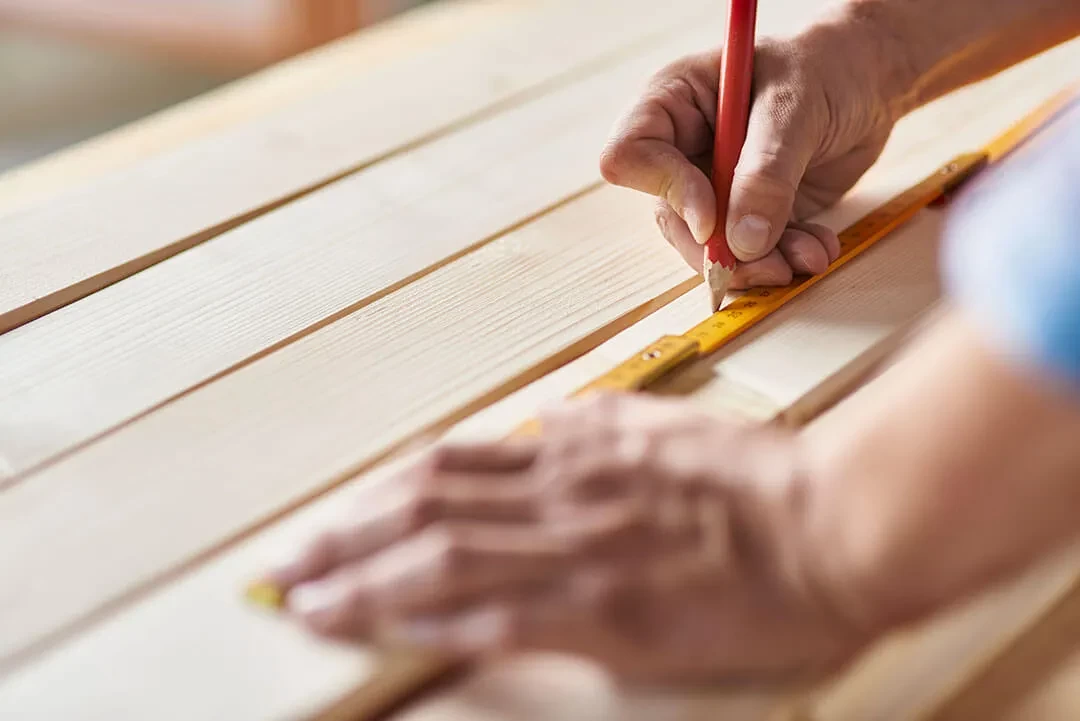
They measure paintable surface area. That is often wall length times wall height minus windows and doors, plus add ons like dormers, gables, and garage faces.
-
They evaluate surface condition. They look for peeling, chalking, mildew, loose caulk, exposed bare wood, soft wood, and existing coating failure points.
-
They define the scope. Are you painting siding only. Or siding plus trim plus doors and shutters. Are you including gutters. Are you including a detached garage or fence.
-
They choose the paint system. That includes primer choices, finish coat type, and the number of coats required.
-
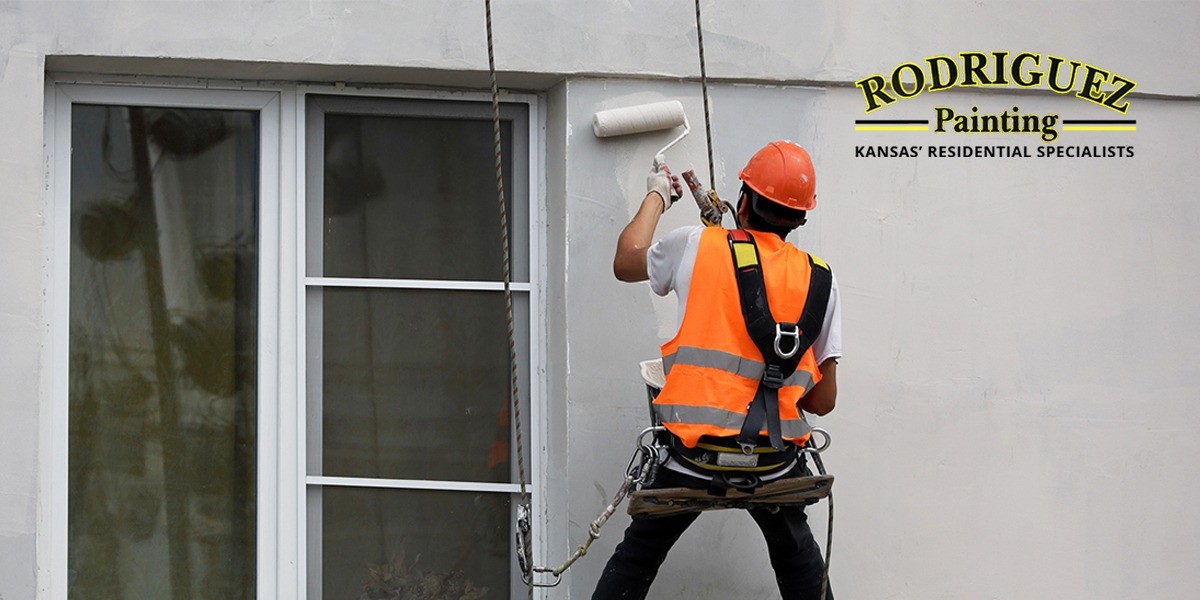
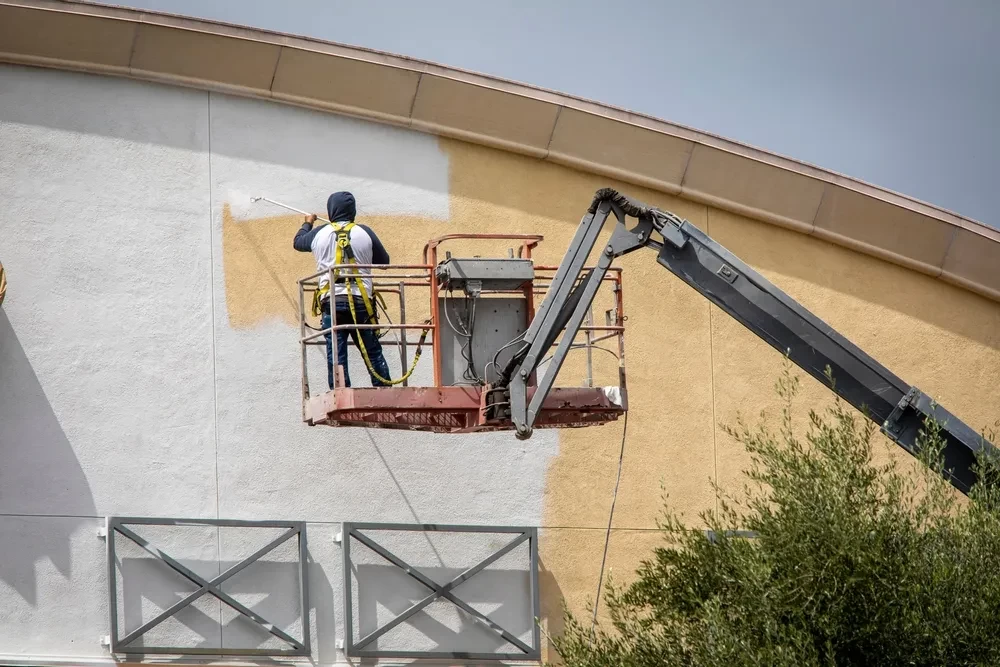
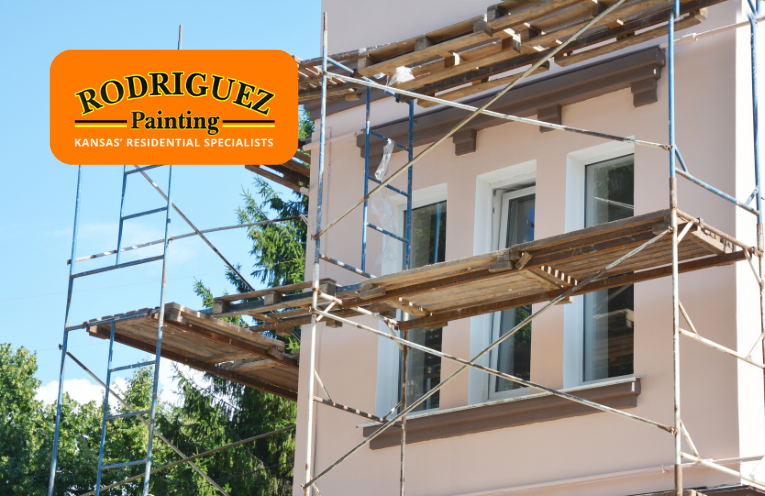
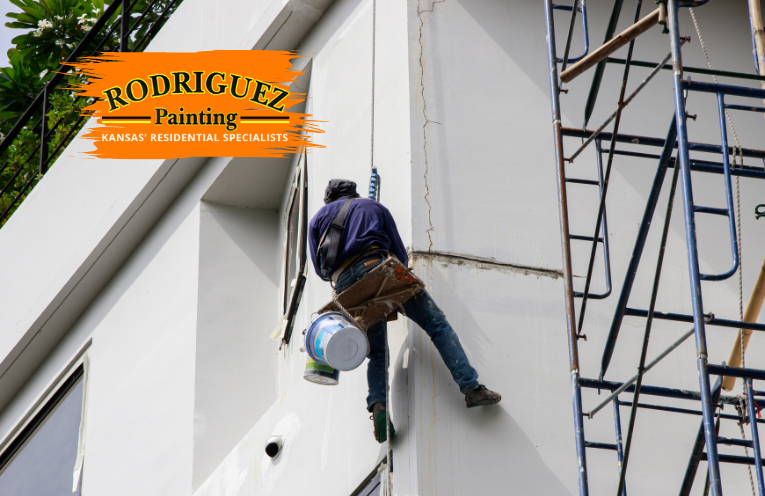
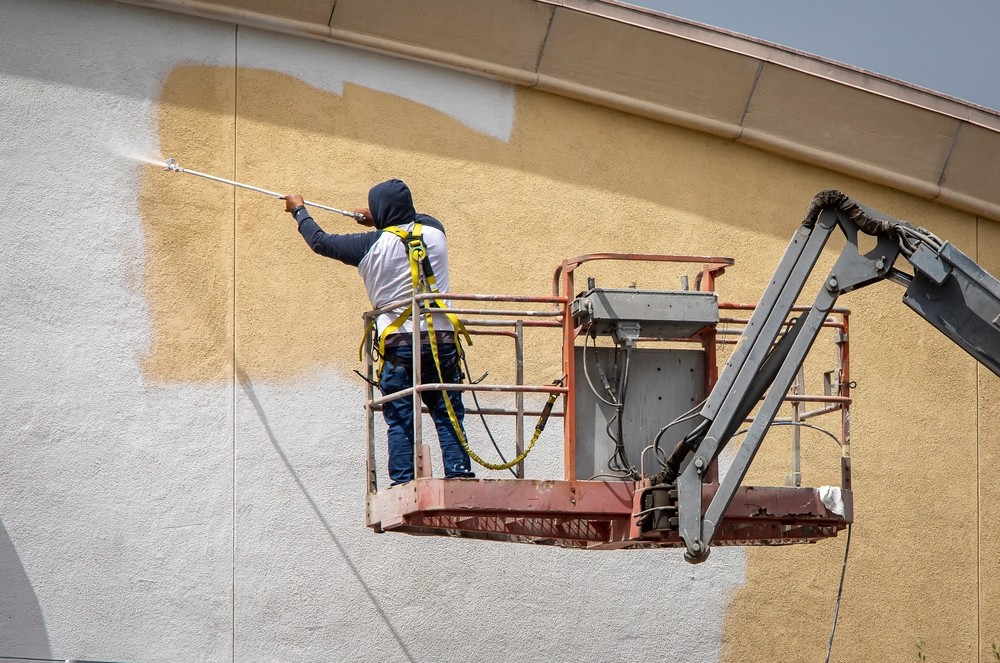
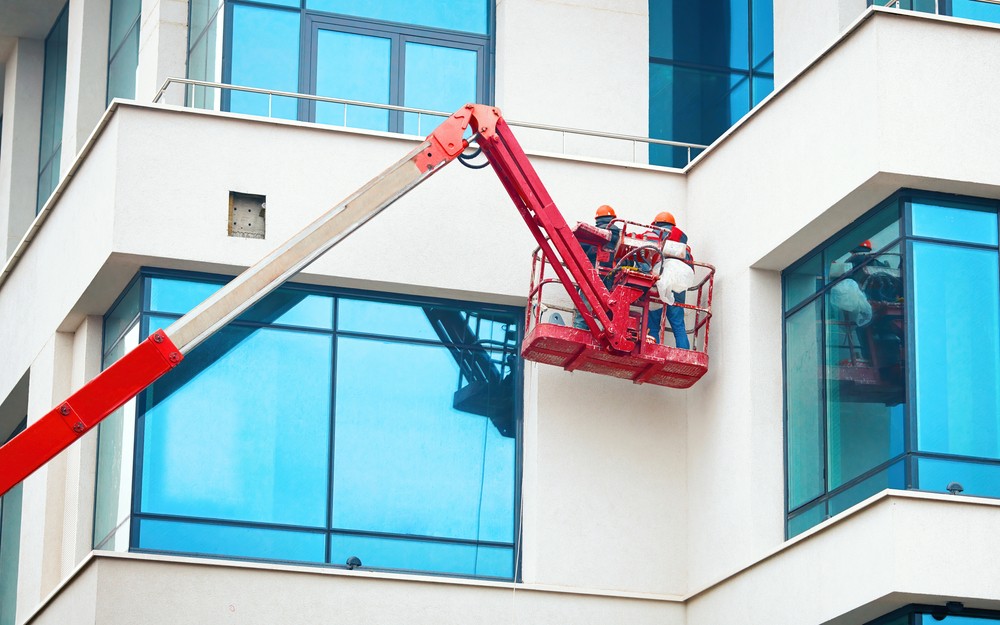
They account for access and safety. Two story homes, steep grades, and areas requiring scaffolding increase labor time and equipment cost.
Additional stories can increase costs significantly because of the increased difficulty.
Typical 2026 Price Ranges by Home Size
These ranges are meant to be realistic planning numbers, not a substitute for a site visit.
They are aligned with the commonly cited per square foot ranges. Actual paintable surface area can differ from interior square footage.
Small home or ranch style, about 1,000 to 1,500 square feet interior size
Many homeowners in this category land in a broad total range of about $2,000 to $6,000 depending on scope and condition. This aligns with per square foot examples and the reality that prep and trim can change totals quickly.
Mid sized home, about 1,500 to 2,500 square feet interior size
A realistic planning range often sits around $3,000 to $10,000 depending on stories, siding type, and prep. Angi shows examples by paintable area that support this kind of scaling.
Larger homes, multi story, complex trim
Totals can exceed $10,000 when you have multiple stories, extensive trim, repairs, and access challenges. Full project averages illustrate how quickly costs rise with size and scope.
If you want a more structured planning approach, Some guides provides a cost calculator method that adjusts by zip code and options, and its January 2026 baseline range is a useful anchor for estimating.
Exterior Painting Estimates in Kansas
This table keeps numbers rounded and homeowner friendly. It combines per square foot ranges with common scope assumptions.
|
Area or Project Scope |
Average Cost Range |
Cost per Square Foot |
Notes |
|---|---|---|---|
|
Small single story exterior, siding only |
$2,000 to $4,500 |
$1.50 to $3.50 |
Minimal peeling, basic prep |
|
Small single story, siding plus trim |
$3,000 to $6,000 |
$2.00 to $4.00 |
Includes doors, fascia, soffits |
|
Mid size two story, moderate prep |
$5,000 to $10,000 |
$2.20 to $4.37 |
Aligns with 2026 baseline estimates |
|
Complex exterior, heavy prep and access |
$8,000 to $15,000 plus |
$3.50 to $7.95 |
Lifts, scaffolding, repairs |
These are planning ranges. A detailed proposal will list what is included and what is excluded, which is the real difference between a cheap quote and a fair quote.
The Biggest Cost Factors Explained
Surface preparation and repair needs
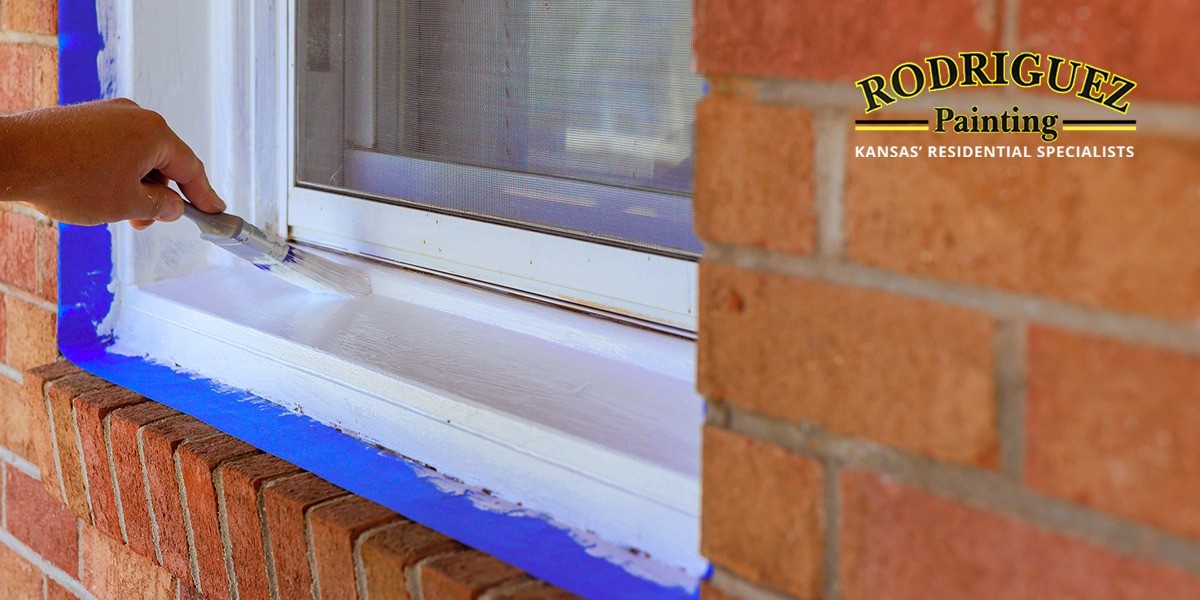
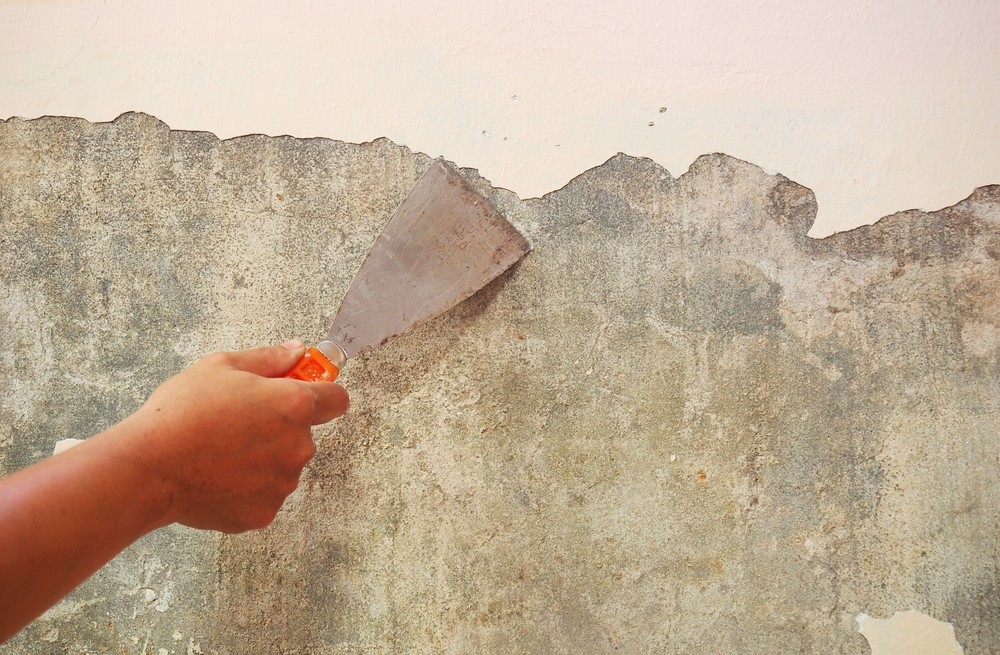
Preparation is the most underestimated cost driver. Scraping, sanding, washing, mildew treatment, and caulking take time. If the home has peeling paint or chalking, crews must stabilize the surface or the new coating will fail sooner. Prep work and repairs such as fixing rot or damaged siding increase labor costs.
If your home was built before 1978, lead safe practices may also apply if paint is disturbed. The EPA Lead Renovation Repair and Painting program explains requirements and safe work practices when lead paint is disturbed. This can affect cost because containment and cleanup take additional time.
Siding material and texture
Different substrates require different systems:
-
Wood siding often needs more prep and spot priming, especially where bare wood is exposed. It is also more sensitive to moisture and sun exposure.
-
Stucco can require specialty masonry coatings and crack repair, and absorption can increase paint usage.
-
Fiber cement tends to hold paint well but still needs clean surfaces and properly sealed joints.
-
Vinyl is not always painted, but when it is, product selection matters and color limitations apply.
-
Brick may be painted, but porous masonry needs appropriate primer and breathable coatings.
-
Texture matters too. Rough surfaces absorb more paint and lower coverage.
Number of stories and access
Two story homes cost more because of ladder time, safety needs, and slower detail work at height. Some cites notes that hard to reach areas and additional stories increase costs.
Dormers, steep rooflines, and tight landscaping also slow down movement and setup. When a job requires lifts or scaffolding, costs rise further.
Paint quality and coating system
Paint is not just paint. Higher quality exterior coatings often have better UV resistance, better color retention, and better adhesion. They can reduce frequency of repainting, especially in climates with temperature swings.
Most professional systems include primer where needed, then one or two finish coats depending on the color shift and surface condition.
Labor rates and scheduling
Labor is usually the largest portion of the quote. Hiring a professional can add between $1 and $6 per square foot, covering prep, painting, and cleanup time. That is exactly why clear scope matters.
Scheduling also affects pricing. Peak season demand can tighten timelines and raise bids. Off peak windows can offer better availability.
How Much Paint Do You Need: A Practical Planning Guide
Paint quantity is a common question because homeowners want to understand material costs.
Most manufacturers and paint guides cite broad coverage ranges. A gallon typically covers about 250 to 400 square feet of surface area for one coat, depending on surface and product.
Exterior surfaces often require more paint because texture and porosity reduce coverage. Two coats are common for color changes or durability.
A simple way to think about it is this. If your paintable surface area is 2,000 square feet and coverage is 300 square feet per gallon per coat, then one coat uses about 7 gallons. Two coats use about 14 gallons. Primer is additional.
That is why the paint system and surface texture matter. Rough stucco can easily consume more gallons than smooth siding for the same measured area.
Best Time to Paint a House Exterior in Kansas
Kansas weather should guide timing. Multiple Kansas focused resources point to late spring through early fall as the most dependable exterior painting season due to stable temperatures and lower moisture risk.
A Kansas City guide also highlights an ideal temperature range of about 50 to 85 degrees Fahrenheit and moderate humidity, along with avoiding rain near application windows.
In practical terms, many homeowners schedule exterior work from May through October, then aim for periods with a forecast that supports proper curing.
This matters for cost and quality. Better conditions reduce delays and improve finish results.
Tips That Actually Reduce Your Long Term Cost
This is the part that protects your budget beyond the initial quote.
Prioritize prep instead of rushing to paint
A clean, stable surface is the real foundation of longevity. Power washing, mildew treatment, scrape and sand work, and high quality caulking help seal gaps that let water in.
When water gets behind paint, peeling happens faster. Preventing that is cheaper than repainting early.
Choose a coating system that matches exposure
South and west facing walls get more sun. Those areas benefit from better UV resistance and more durable top coats.
If you have a lot of shade and moisture exposure, mildew resistance matters more.
Use the right sheen for the right exterior elements
Siding is often painted with flat or low sheen products to reduce glare. Trim and doors often use higher sheen for better cleanability and sharper detail.
Plan minor maintenance rather than waiting for failure
Small touch ups and caulk refreshes can extend the time between full repaints. If you spot early peeling near gutters or trim corners, fixing those areas can prevent wider failure.
Consider lead safe planning for older homes
If your home is older and coatings may contain lead, using certified lead safe practices protects occupants and reduces risk. When lead safe practices are required and what those practices involve.
Common Questions Kansas Homeowners Ask Before They Commit
Why do two quotes differ so much?
Often it is scope. One bid might be siding only with minimal prep and one finish coat. Another might include extensive prep, multiple coats, trim, doors, and repairs.
The best way to compare is to ask each contractor to list prep steps, primer usage, number of coats, and exactly which surfaces are included.
Is spraying cheaper than brushing and rolling?
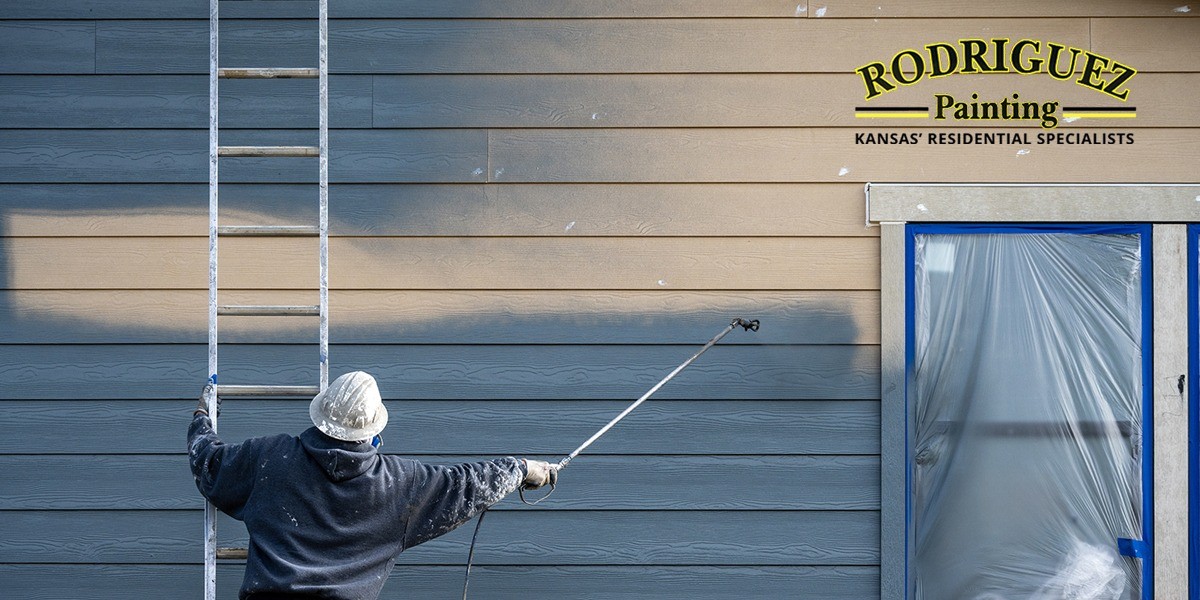
Spraying can be faster on large siding surfaces, but proper back rolling and detail work still take time. Prep and masking can be extensive, so the method alone does not guarantee a lower price.
Does painting improve value?
A well executed exterior repaint improves curb appeal and can help a home feel more maintained. That can support buyer perception, even if value increases depend on the local market.
Choosing a Contractor Without Overpaying
Kansas homeowners do not need to chase the cheapest number. They need the best value.
A strong exterior painting proposal should include:
• Surface prep steps in plain language
• Repair allowances or a clear process for change orders
• Paint system details including primer and number of coats
• Product line and finish notes
• Estimated schedule and weather contingency plan
• Cleanup plan and property protection notes
When a proposal is vague, risk increases. That risk usually shows up as early peeling or uneven finish, which costs more later.
.jpeg)
At Rodriguez Painting Kansas you can hire our professional painters for a quick scope review and timeline, or request a free estimate. Call us at 816-289-7239 and get a free quote today.
Conclusion
In 2026, the cost to paint exterior of house is best understood as a range tied to surface area, prep work, access, and coating system choices. Most authoritative cost resources still cluster around roughly $1.50 to $4 per square foot for typical jobs, with 2026 baseline calculator data around $2.20 to $4.37 per square foot for basic work depending on conditions.
For exterior house painting cost in Kansas, timing, humidity, and seasonal stability matter. Planning your project in the most reliable weather window and investing in prep are two of the most practical ways to protect your budget.
If you want an estimate that matches your siding, exposure, and home layout, the most accurate next step is a site based assessment that translates surface condition into a clear scope.
Ready to protect your home exterior in Kansas with a durable paint system that fits your budget?
Contact Rodriguez Painting Kansas today or call at 816-289-7239 so you can get a detailed written estimate.
FAQs
What is the average cost to paint exterior of house in 2026?
Many sources place the typical range around $1.50 to $4 per square foot, with calculator based 2026 estimates starting around $2.20 to $4.37 per square foot depending on options and site conditions.
How do I estimate exterior house painting cost in Kansas for my home size?
Start by estimating paintable surface area, then apply a per square foot range that matches your home condition and story count. A site visit is still the best way to account for peeling paint, repairs, and access needs.
What raises exterior painting costs the most?
Heavy preparation, repairs such as wood rot, multiple stories, difficult access requiring lifts, and a scope that includes trim, doors, and detailed elements.
How much paint will I need?
Coverage varies by product and surface texture. Many paint guides cite roughly 250 to 400 square feet per gallon per coat. Rough surfaces use more.
When is the best time to paint in Kansas?
Most Kansas guidance points to late spring through early fall, with attention to temperature stability, moderate humidity, and avoiding rain windows.